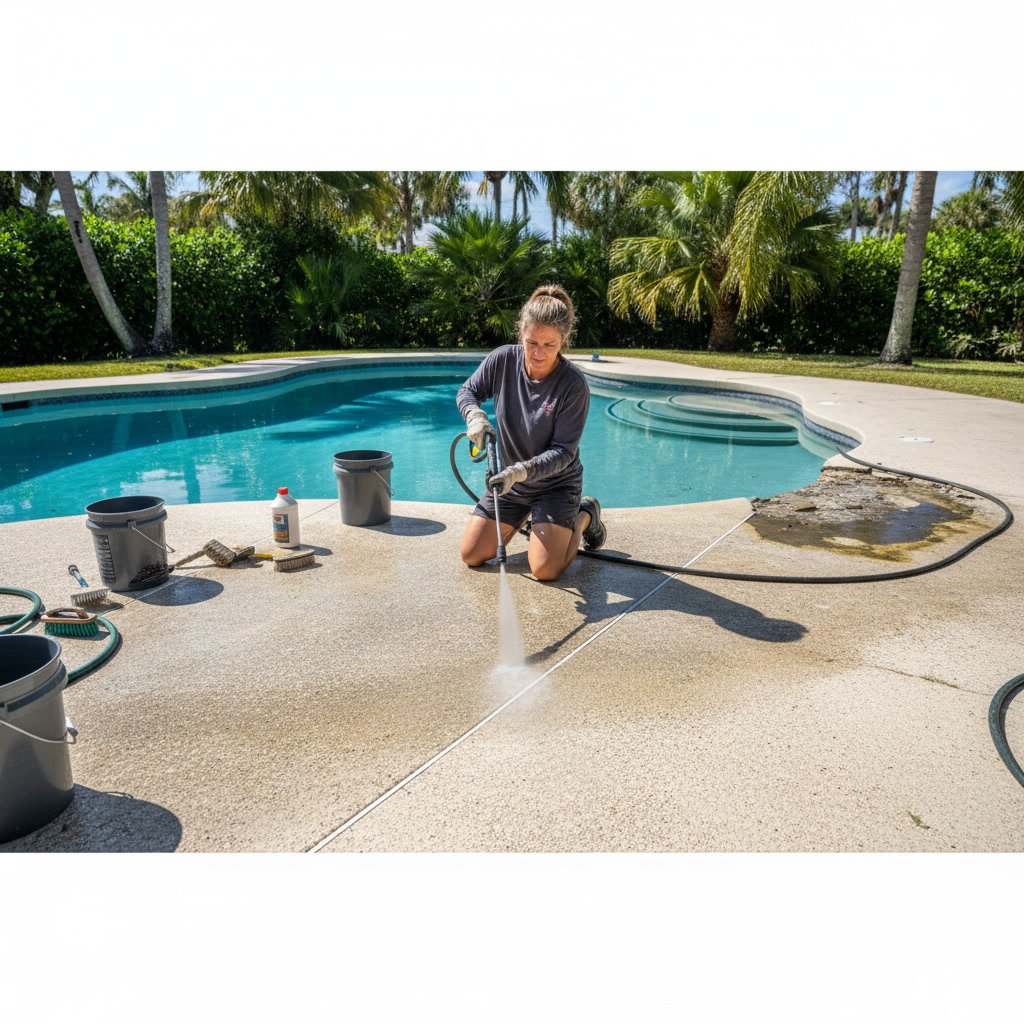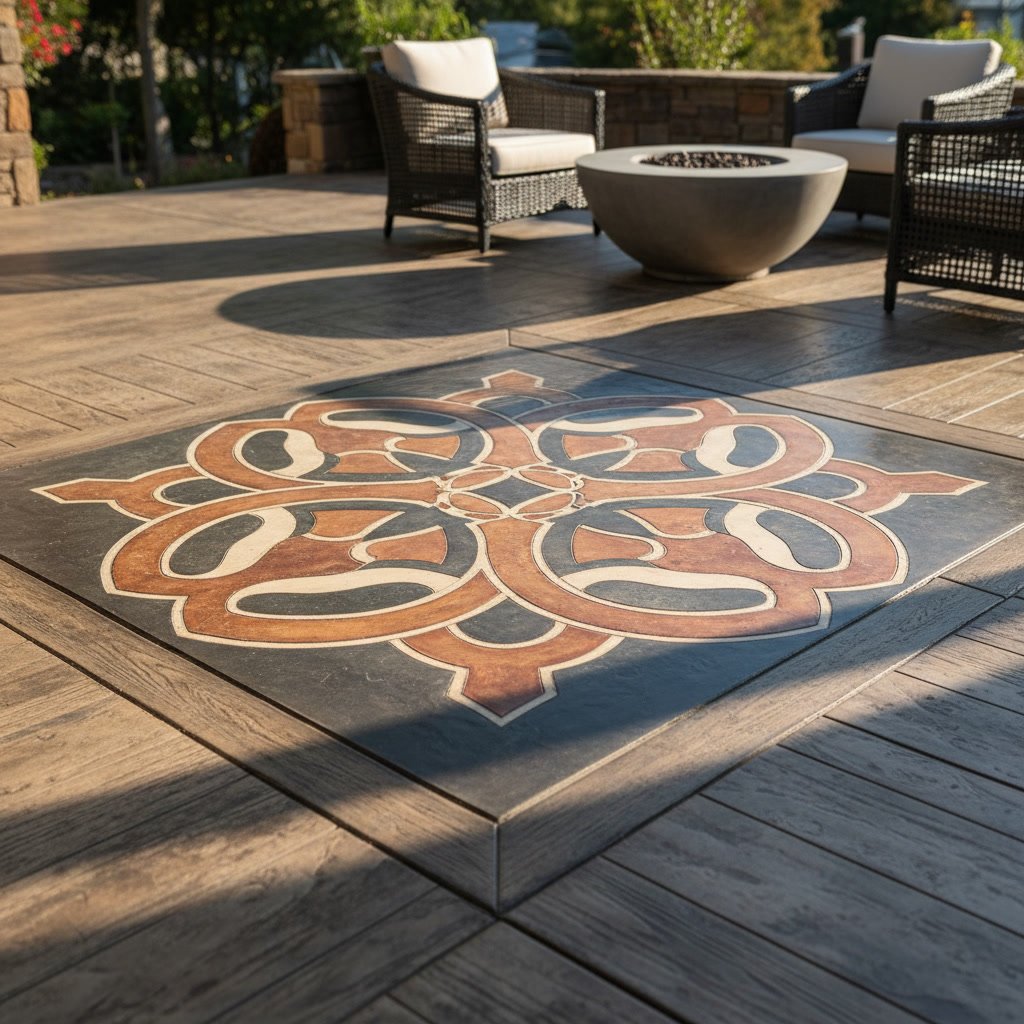
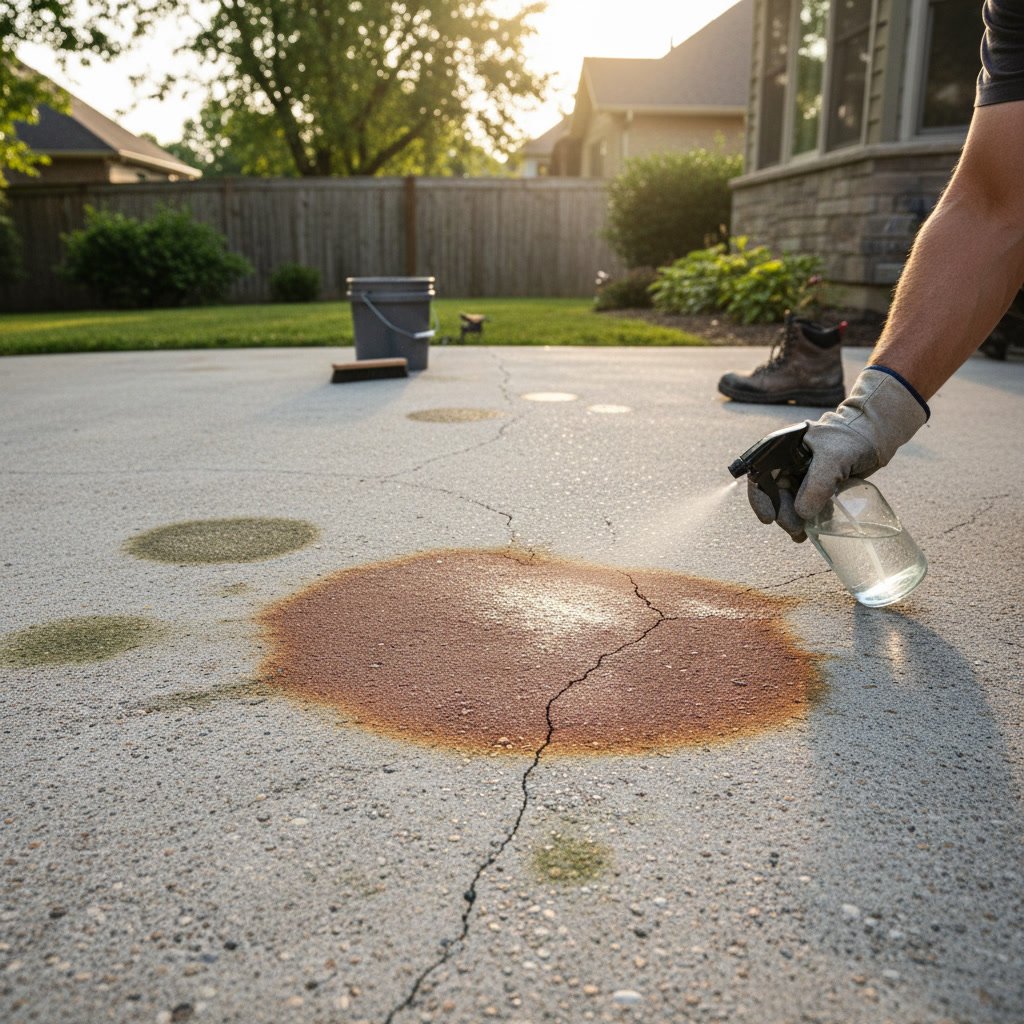
Concrete surfaces show specific warning signs that tell you whether they need staining, sealing, or resurfacing. The concrete staining signs appear when the existing color has faded or looks outdated but the surface remains structurally sound. Sealing becomes necessary when moisture penetrates the surface or stains appear frequently. Resurfacing is the right choice when cracks, spalling, or deep damage compromise the integrity of the slab.
Understanding What Each Treatment Actually Does
Staining transforms the appearance of concrete by introducing rich, permanent color that penetrates the surface. Acid-based stains create variegated, natural-looking tones through a chemical reaction with the minerals in concrete. Water-based stains offer more predictable, uniform color options in a wider palette.
Sealing creates a protective barrier on top of the concrete that blocks moisture, prevents staining, and can add a glossy or matte finish. Sealers need reapplication every two to five years depending on traffic and exposure.
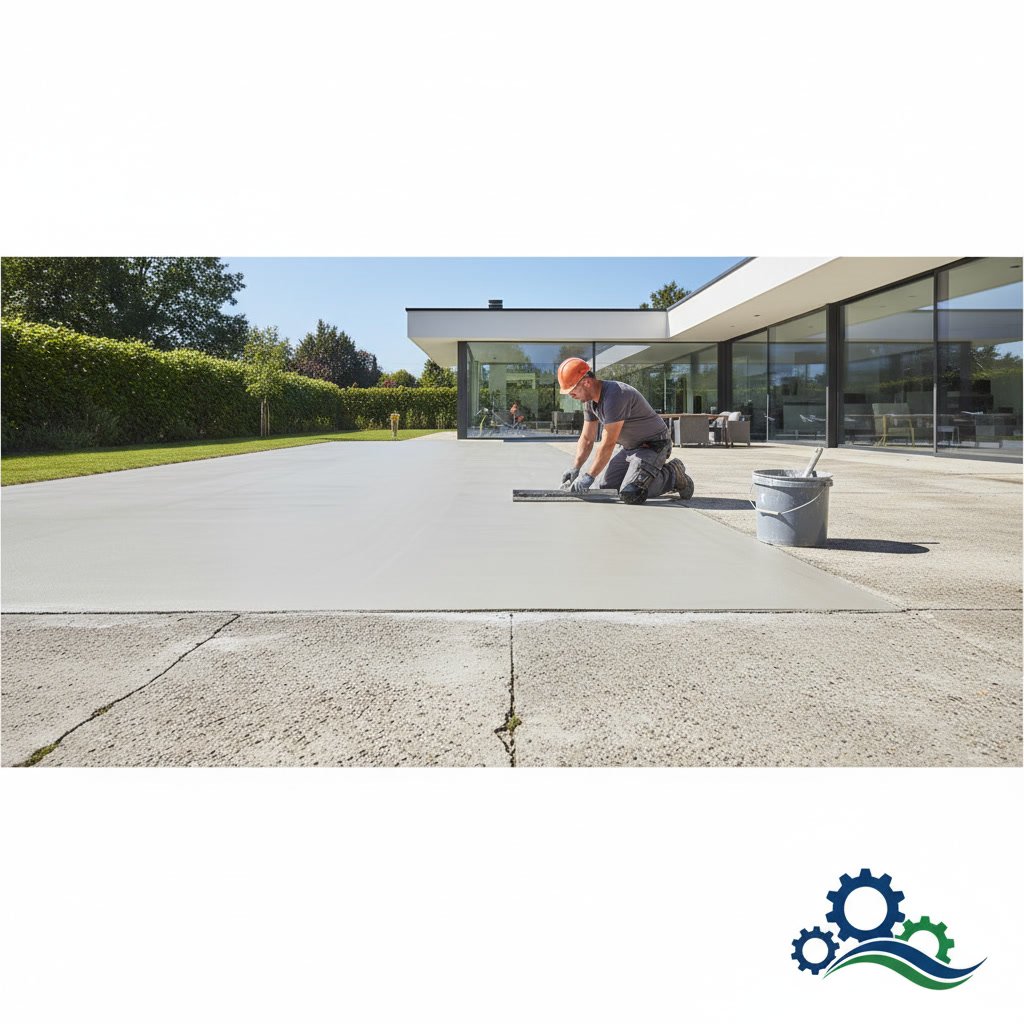
Resurfacing applies a new layer of material over damaged concrete, typically one-quarter to one-half inch thick. This process repairs surface damage while creating a fresh canvas that can be textured, colored, or stamped.
When Faded Color Points to Staining
If your concrete has turned from a rich color to washed-out gray or the original pigment has become patchy and uneven, concrete staining restores visual appeal without addressing structural issues. The surface should be relatively smooth with no significant cracking or flaking.
Look for areas where UV exposure has bleached the color from what was once an attractive surface. Patios, pool decks, and walkways facing south or west typically show the most severe fading. If the concrete still feels solid underfoot and water beads on the surface rather than soaking in immediately, the substrate remains sound enough for staining.
Surface Texture Tells the Staining Story
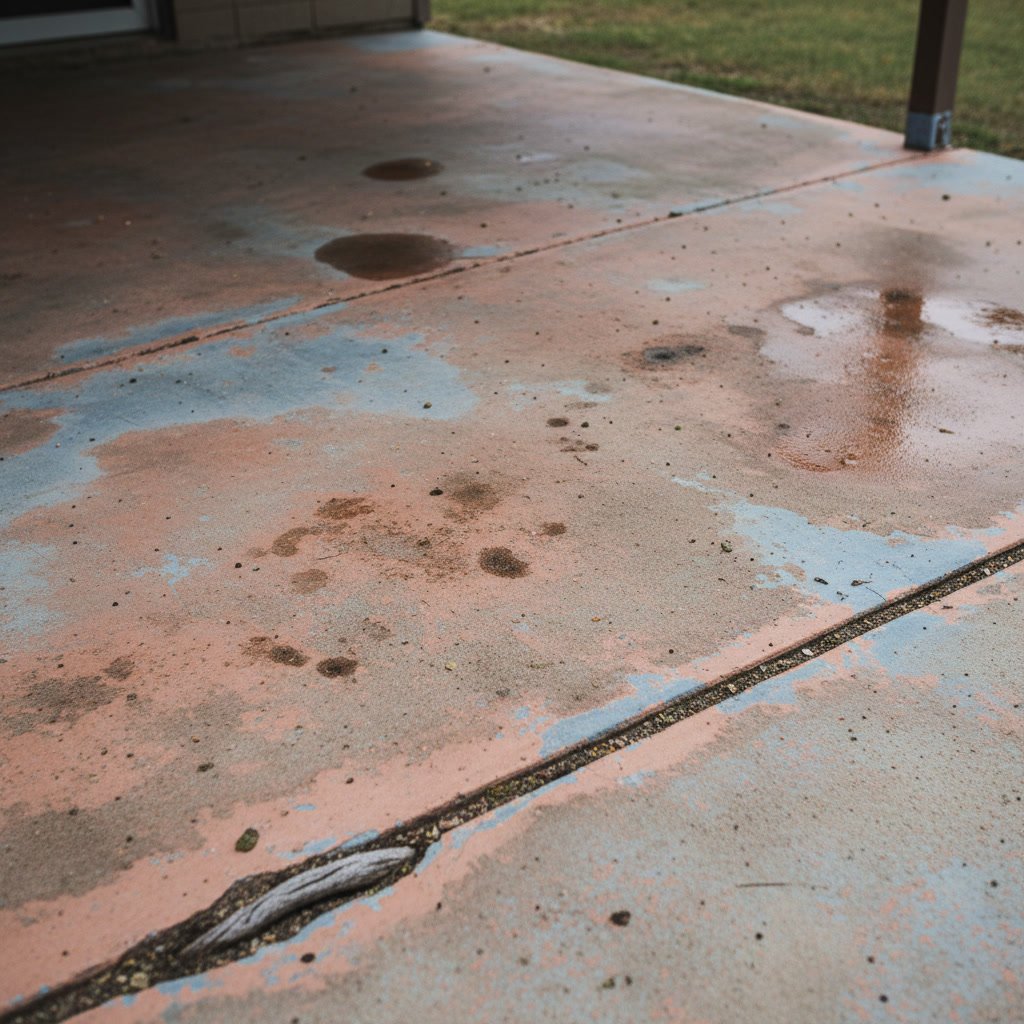
Run your hand across the concrete. A surface suitable for staining feels relatively smooth with minimal roughness or pitting. Small hairline cracks under one-eighth inch wide do not disqualify a slab from staining, but the overall integrity must be intact.
Staining works best on broom-finished, smooth-troweled, or lightly textured surfaces. If you notice the aggregate showing through significantly or the cream layer has worn away in high-traffic zones, the concrete may be too degraded for staining alone.
Moisture Problems Signal Sealing Needs
Water absorption indicates your sealer has failed or was never applied. Pour a small amount of water on the concrete and watch what happens. If it soaks in within five minutes, the surface needs sealing. Properly sealed concrete keeps water beading on top for 30 minutes or longer.
Dark spots that appear after rain and take hours to dry show that moisture penetrates the concrete easily. This constant wet-dry cycle accelerates deterioration, especially during freeze-thaw seasons. Oil stains, rust marks, and organic growth like mildew also indicate an unsealed or poorly sealed surface that cannot resist contamination.
Structural Damage Requires Resurfacing in Shingle Springs
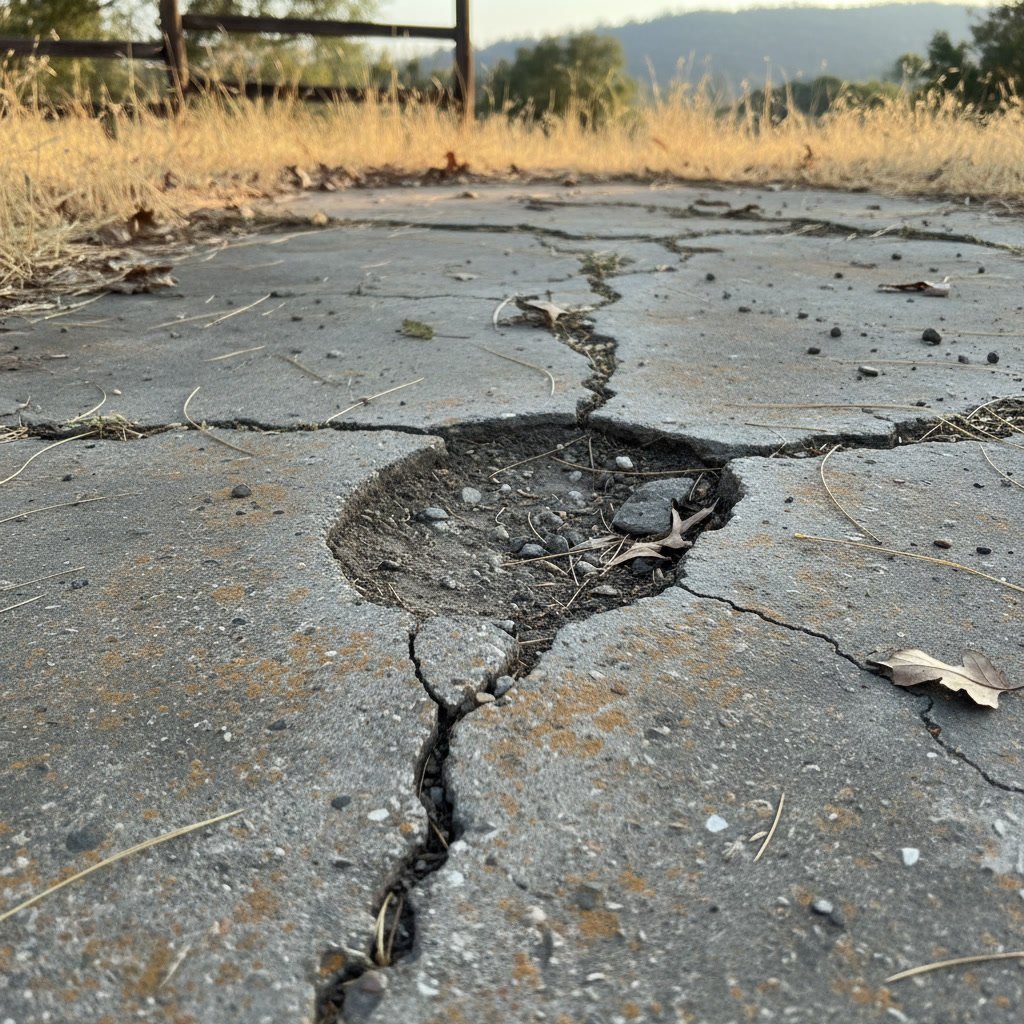
Cracks wider than one-quarter inch, spalling where the surface flakes or chips away, and pop-outs where aggregate pieces break free all point to the need for resurfacing rather than cosmetic treatments. These issues compromise the structural integrity and will worsen if not properly addressed.
Scaling, where the top layer of concrete peels away in thin sheets, often results from freeze-thaw damage or improper finishing during installation. If more than 20 percent of your surface shows this kind of deterioration, concrete restoration through resurfacing becomes the most cost-effective long-term solution.
Settlement cracks and uneven sections also indicate deeper problems. While minor settling can be addressed with crack repair and staining, significant movement requires professional evaluation to determine if resurfacing or even replacement makes sense.
Comparing All Three Solutions Side by Side
Staining costs significantly less than resurfacing and takes one to two days for most residential projects. It adds zero thickness to the existing slab and requires only that the concrete be structurally sound and properly cleaned. Staining delivers dramatic color changes without altering texture or fixing damage.
Sealing sits at the lowest cost point and fastest installation time, often completed in hours once the surface is prepped. However, it offers no color change and no repair capability. Sealing purely protects what already exists.
Resurfacing costs more and requires three to five days including cure time but addresses both aesthetic and structural concerns. It adds minimal height, repairs damage, and creates a completely renewed surface. For properties with multiple issues, resurfacing often proves more economical than attempting separate repairs.
Age and Usage Patterns Matter
Concrete less than 10 years old with purely cosmetic concerns typically benefits most from staining or sealing. The substrate remains strong, and surface treatments extend its life significantly while improving appearance.
Surfaces between 10 and 20 years old often show mixed symptoms. A professional assessment determines whether spot repairs combined with staining will suffice or if resurfacing makes better financial sense. As explained in our guide on determining if concrete needs resurfacing or replacement, the extent of damage relative to total area becomes the deciding factor.
Concrete over 20 years old with widespread cracking, multiple repairs, or significant settling usually requires resurfacing at minimum. At this age, the substrate has been through enough freeze-thaw cycles and thermal expansion that surface treatments alone rarely deliver lasting results.
Climate and Exposure Create Unique Demands
Properties with full sun exposure throughout the day face accelerated UV degradation that fades color rapidly but may not damage the structural integrity. These surfaces show classic staining candidates with bleached, uneven coloring on otherwise sound concrete.
Shaded areas under trees or covered patios often develop organic staining, moss growth, and moisture-related issues. These symptoms point toward cleaning and sealing rather than color treatments. The concrete itself usually remains in good condition because it avoids direct sun and temperature extremes.
High-traffic zones like driveways and commercial walkways wear down the surface cream layer faster, exposing aggregate and creating rough texture. Once the smooth finish layer erodes significantly, resurfacing becomes necessary because staining cannot recreate that lost material.
Testing Methods That Reveal the Right Choice
Beyond visual inspection, simple tests provide concrete data. The water absorption test mentioned earlier takes five minutes and clearly shows sealer condition. A scratch test using a metal tool determines surface hardness. If you easily gouge the surface or it crumbles under pressure, the concrete has deteriorated beyond cosmetic repair.
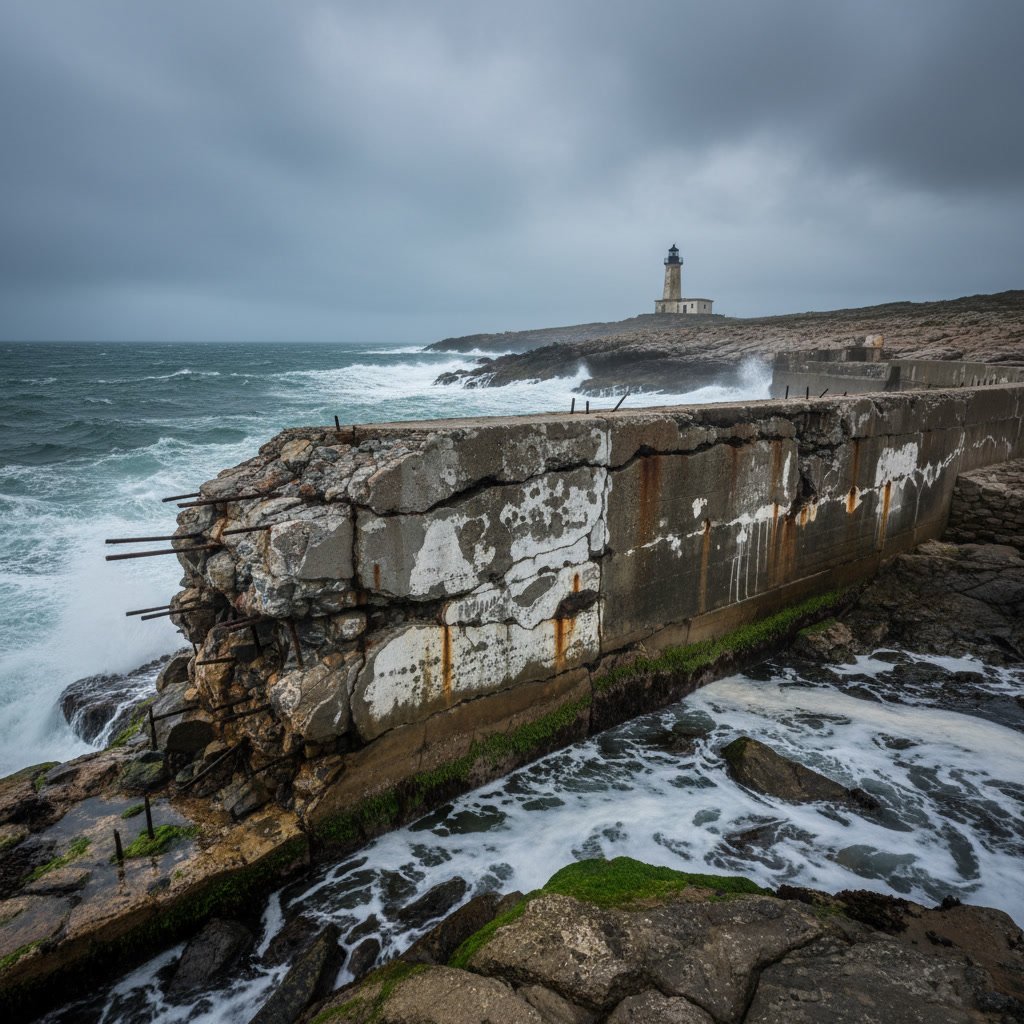
Tap the surface with a hammer handle or rubber mallet while listening for hollow sounds that indicate delamination where the top layer has separated from the substrate. Hollow areas always require resurfacing because they will continue failing regardless of surface treatments.
Check for efflorescence, the white powdery deposits that appear when water moves through concrete and brings salts to the surface. Persistent efflorescence indicates moisture problems within the slab that must be resolved before staining or sealing. Otherwise, the treatments will fail prematurely as moisture continues pushing through.
The Role of Existing Coatings and Previous Treatments
If your concrete was previously sealed, painted, or coated, those layers affect your options. Stains penetrate bare concrete but cannot work through existing sealers. You will need to strip the old coating completely before staining becomes viable.
Failed paint or coating that peels reveals the condition underneath. If the concrete looks good once cleaned, staining makes sense. If removing the old coating exposes widespread damage, resurfacing provides a better foundation.
Previously stained concrete can be restained, but the new color must be darker than the existing tone. You cannot go from dark to light with penetrating stains. Single color restoration offers solutions for properties wanting to refresh existing colored concrete.
Making the Smart Investment for Your Property
Evaluate your goals and timeline along with the concrete condition. Staining delivers maximum aesthetic impact at moderate cost when the surface remains structurally sound but looks tired or dated. Sealing protects your investment and prevents future damage at minimal expense. Resurfacing solves multiple problems simultaneously and often costs less than attempting individual repairs for severely damaged surfaces.
Most residential concrete benefits from a combination approach. Resurface badly damaged areas, stain sections with good integrity but poor color, and seal everything to lock in the improvements and prevent future deterioration.
Since 1990, STAMATELOS CONSTRUCTION has helped property owners throughout the region understand exactly what their concrete needs. The signs become clear once you know what to look for, and the right treatment transforms worn surfaces into attractive, durable features that add value and curb appeal for years.
Whether your concrete shows fading, damage, or moisture issues, the solution depends on accurate assessment and quality execution. Professional evaluation identifies the most cost-effective approach tailored to your specific conditions and goals. Contact STAMATELOS CONSTRUCTION at +19163055310 to schedule an inspection and receive expert recommendations for your concrete surfaces.