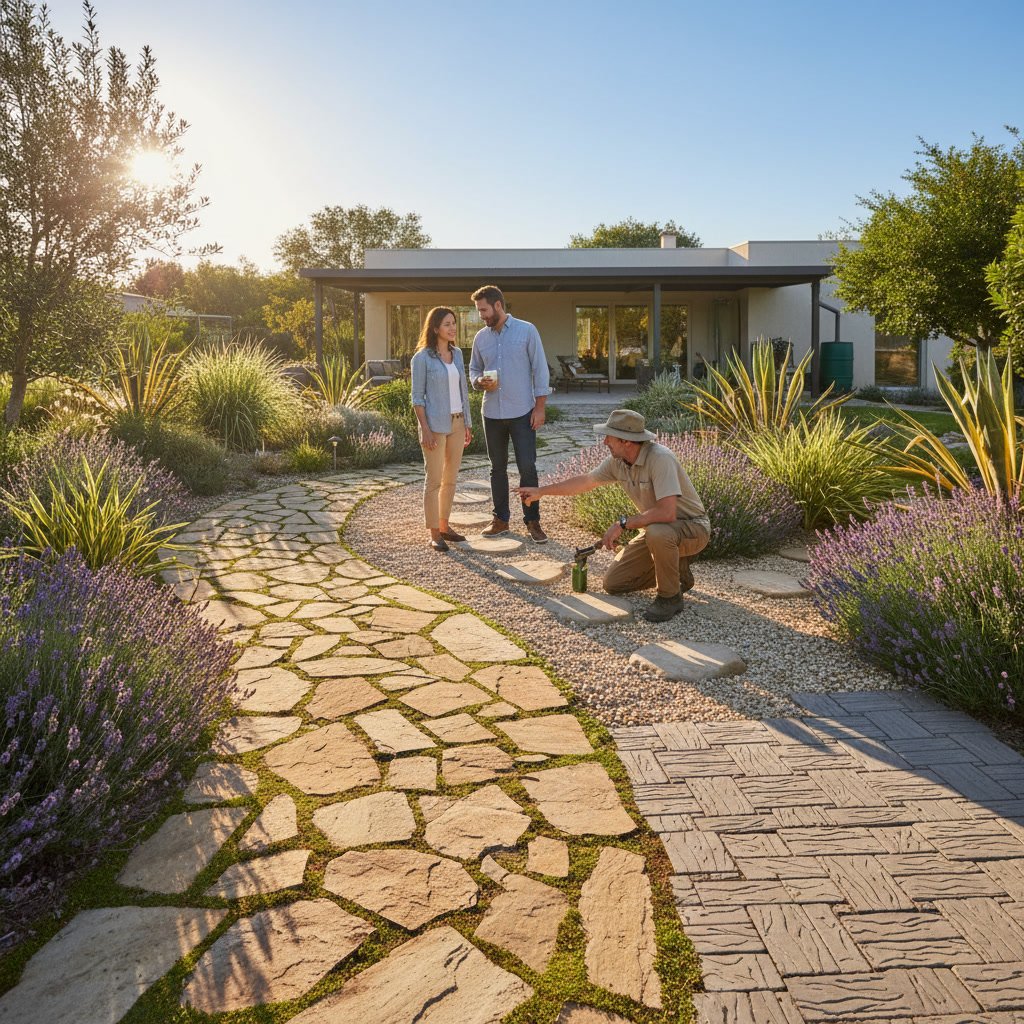
The right custom walkway material depends on your local climate, soil movement, and how you use the space. Concrete offers superior durability and design flexibility in freeze-thaw climates, while porous materials work better in heavy drainage zones. Your choice affects not only the look of your yard but also how much maintenance you’ll handle over the next 20 years.
Why Climate Matters More Than Aesthetics
Many homeowners pick walkway materials based on photos they find online, only to discover cracking, staining, or weed invasion within two years. Climate drives material performance. Temperature swings, freeze-thaw cycles, rainfall patterns, and soil composition all dictate which materials will hold up and which will fail.
In areas with seasonal temperature changes, materials expand and contract. Concrete handles this movement well when installed with proper control joints. Pavers can shift if the base isn’t compacted correctly. Natural stone may crack if water seeps into fissures and freezes.
Understanding Your Yard Conditions in Northern California
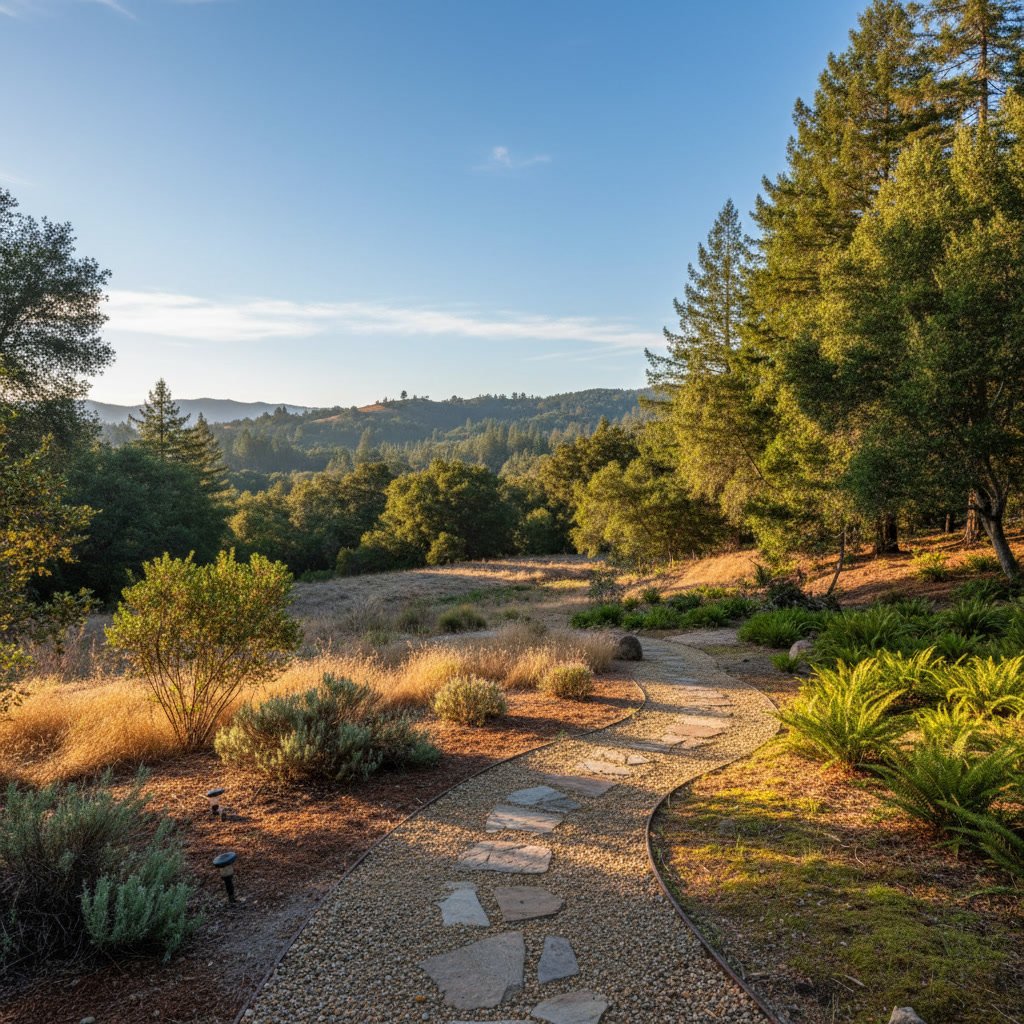
Northern California’s climate presents unique challenges. Summers are hot and dry, winters bring moderate rain, and temperature swings between day and night can be significant. Soil types vary from clay-heavy to sandy, affecting how much your ground moves beneath a walkway.
Clay soil expands when wet and contracts when dry, creating pressure under rigid materials. Sandy soil drains quickly but may shift without proper base preparation. If your property sits on a slope, drainage becomes even more critical. Water running under a walkway will erode the base and cause settling.
Concrete as the Most Versatile Option
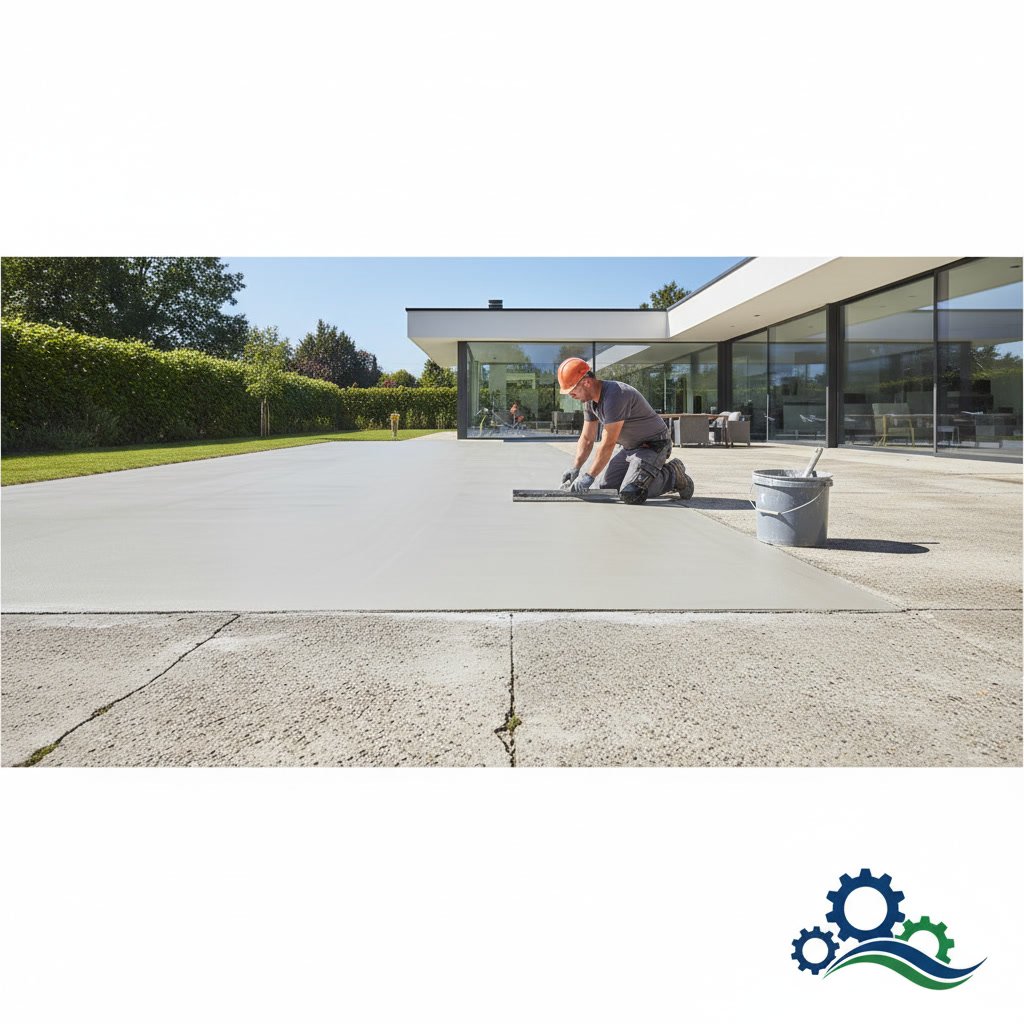
Concrete remains the most durable and adaptable material for walkways in varied climates. It handles freeze-thaw cycles better than most alternatives, resists weed growth, and can be shaped and colored to match any design preference. Properly installed concrete walkways in the Sierra foothills regularly last 30 years or more with minimal maintenance.
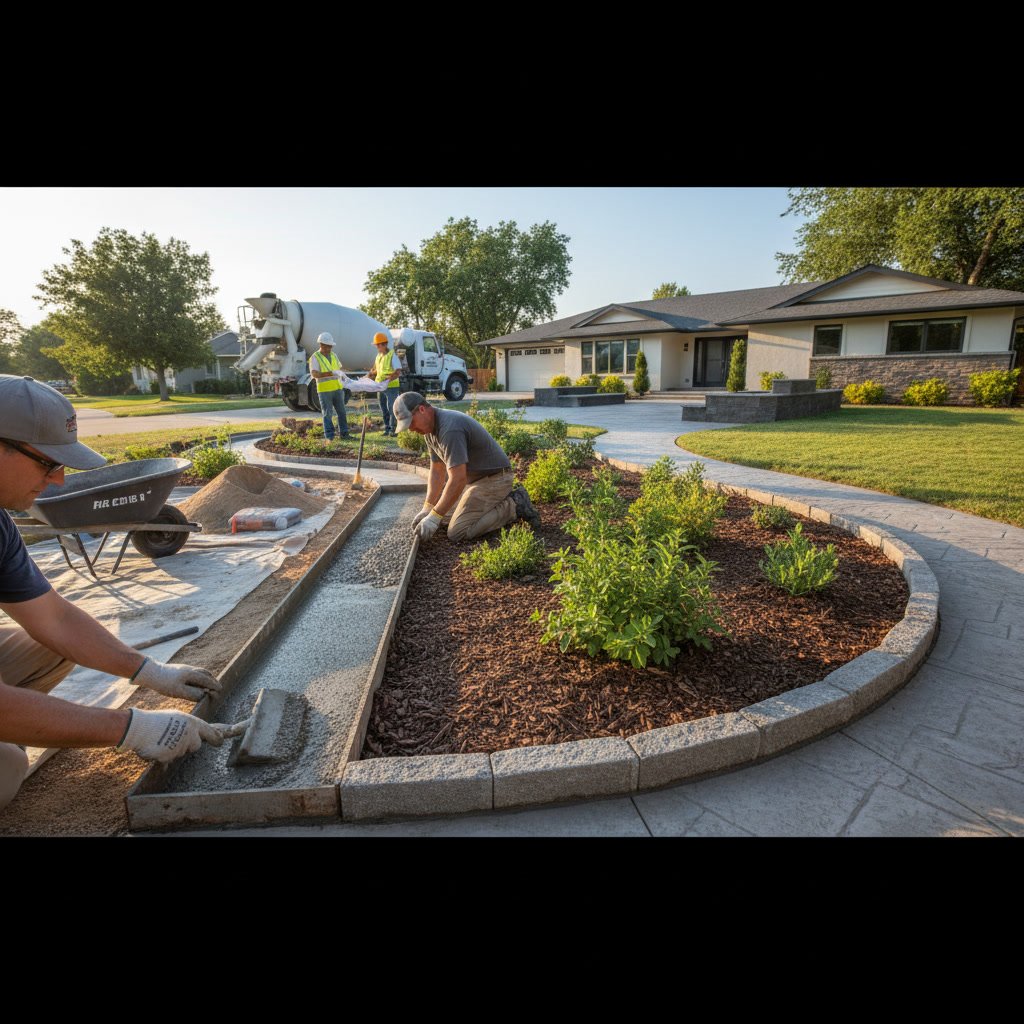
Thickness matters. A residential walkway should be at least four inches thick, with six inches preferable in areas with heavy clay soil or significant foot traffic. The base must be compacted to at least 95% density. Skipping this step leads to cracking within the first year.
Control joints cut into the surface every four to six feet allow concrete to crack in predetermined, hidden lines instead of randomly across the surface. This is not optional. Every concrete walkway will develop small cracks as it cures and settles. Control joints manage where those cracks appear.
Comparing Five Common Walkway Materials
Poured Concrete: Best for durability, design flexibility, and low maintenance. Can be stained, stamped, or left with a simple broom finish. Handles temperature swings well. Requires professional installation for best results.
Pavers: Good for DIY projects and easy repairs. Individual units can be replaced if damaged. Requires a well-compacted base and regular re-sanding of joints. Weeds grow between pavers unless you use polymeric sand. More labor-intensive to maintain than concrete.
Natural Stone: High-end look with premium cost. Irregular shapes make installation time-consuming. Porous stones absorb water and may crack in freeze-thaw climates. Best for covered or protected walkways.
Gravel: Inexpensive and easy to install. Good drainage but poor accessibility for wheelchairs or strollers. Requires edging to prevent spreading. Needs periodic replenishment as gravel migrates.
Brick: Classic appearance but higher maintenance. Individual bricks can shift or sink. Moss grows in shaded areas. Requires periodic releveling. Works better in mild climates with less temperature variation.
Stamped and Stained Concrete for Design Flexibility
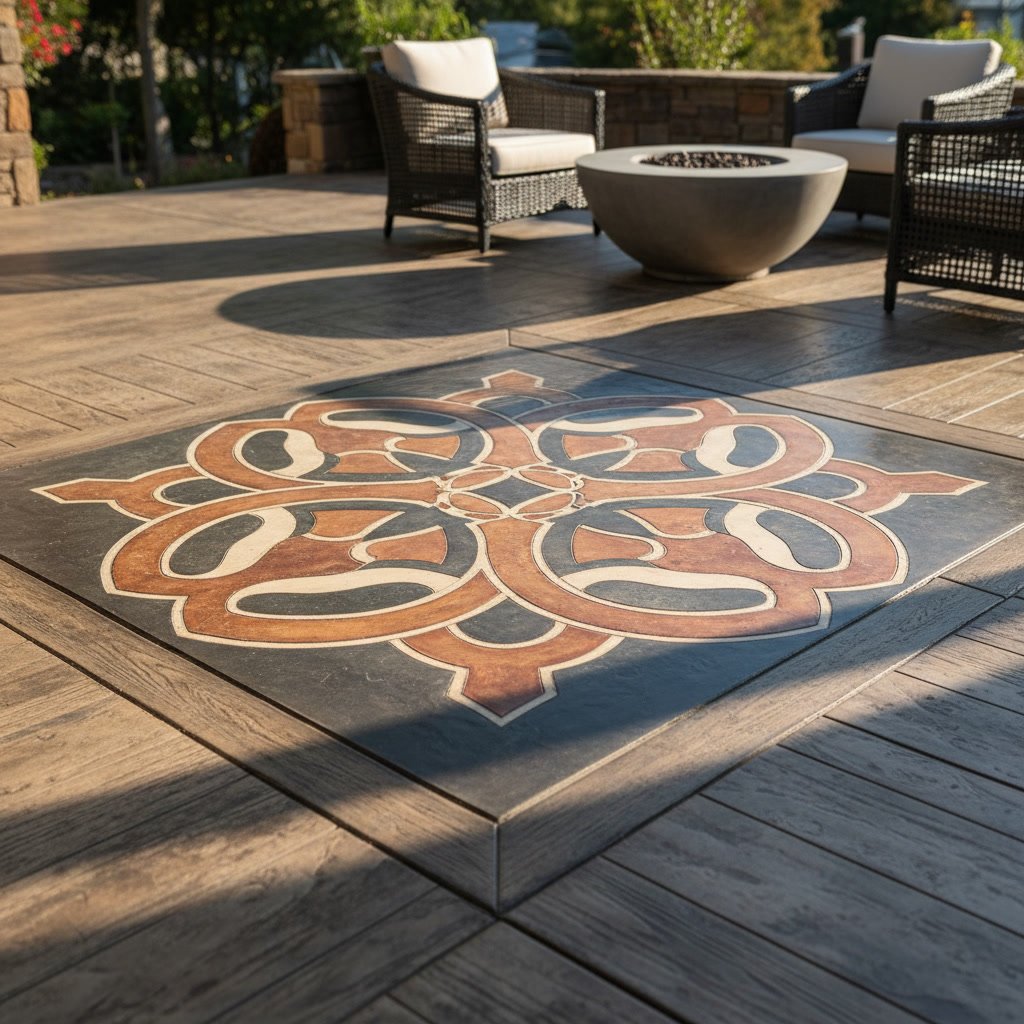
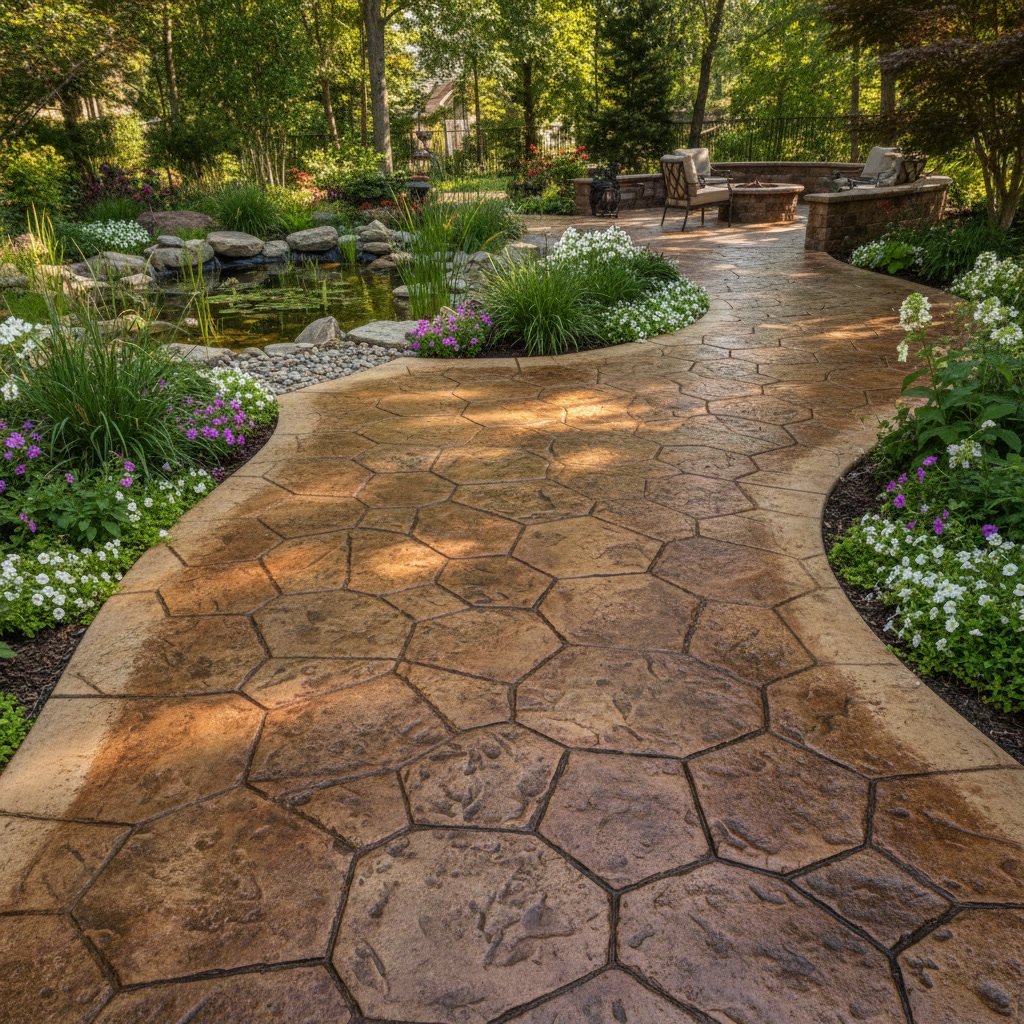
If you want the look of stone or brick with the durability of concrete, stamped and stained options deliver both. Stamped concrete uses textured mats pressed into freshly poured concrete to create realistic stone, brick, or tile patterns. The material remains monolithic, so you avoid the maintenance issues of individual pavers.
Concrete staining adds color that penetrates the surface rather than sitting on top like paint. Acid stains create variegated, natural tones that won’t peel or chip. Water-based stains offer more color options with consistent coverage. Both types last as long as the concrete itself.
How Slope and Drainage Affect Material Choice
A walkway on flat ground has different requirements than one on a slope. Sloped walkways need better drainage and more robust base preparation. Water running downhill will erode softer base materials and undermine the walkway surface.
Concrete on a slope should be at least four inches thick with a well-compacted gravel base. The surface should have a slight cross-slope to shed water off the sides rather than letting it pool. On steeper grades, consider adding texture to the surface for better traction when wet.
Gravel and loose materials work poorly on slopes because they migrate downhill over time. Pavers can shift unless edging is installed and the base is perfectly compacted. Natural stone may require mortar joints to prevent individual pieces from sliding.
Material Longevity in Shingle Springs and Surrounding Areas
Local soil and weather patterns influence how long different materials last. In Shingle Springs and nearby communities, concrete consistently outperforms alternatives in longevity and low maintenance. The moderate climate allows most materials to perform well, but clay-heavy soils create movement that cracks brittle materials.
Homeowners in El Dorado Hills and similar areas benefit from concrete’s ability to flex slightly without cracking. Natural stone may develop cracks where water infiltrates and the ground shifts. Pavers require more frequent releveling as the base settles unevenly.
Expect properly installed concrete to last 25 to 30 years with minimal maintenance. Pavers typically need releveling and joint re-sanding every five to seven years. Natural stone may require resealing every three to five years depending on the stone type and exposure.
Maintenance Requirements for Each Material Type
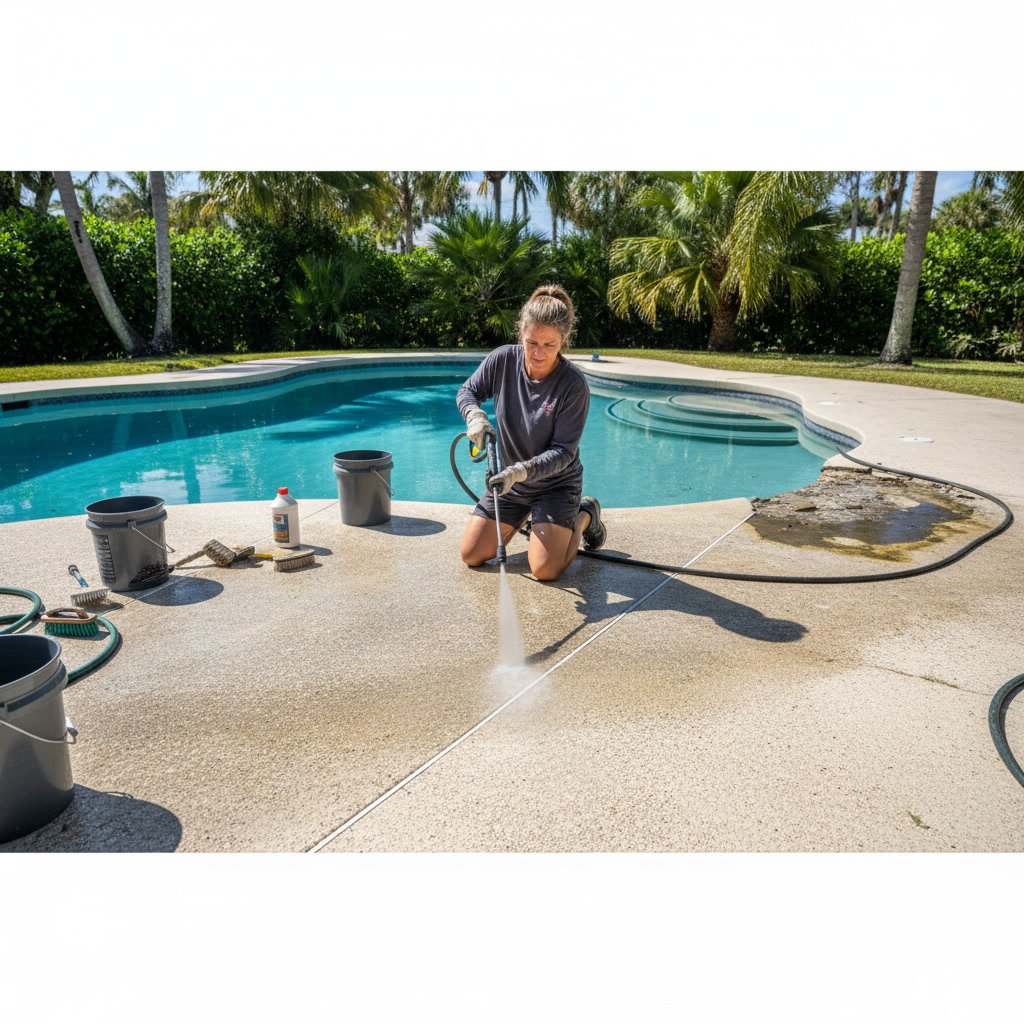
Concrete walkways need occasional pressure washing and resealing every few years. Small cracks can be filled with flexible sealant. Serious damage may require professional concrete restoration to return the surface to its original appearance.
Pavers demand more attention. Weeds grow between joints unless you use polymeric sand, which hardens after watering. Individual pavers may sink or shift, requiring removal, base releveling, and reinstallation. Edge restraints must stay intact or the entire walkway begins to spread.
Gravel requires the least skill but the most frequent attention. Rake periodically to maintain an even surface. Add new gravel every year or two as material migrates or compacts. Keep edges trimmed so grass doesn’t invade the walkway.
Cost Factors Beyond Installation
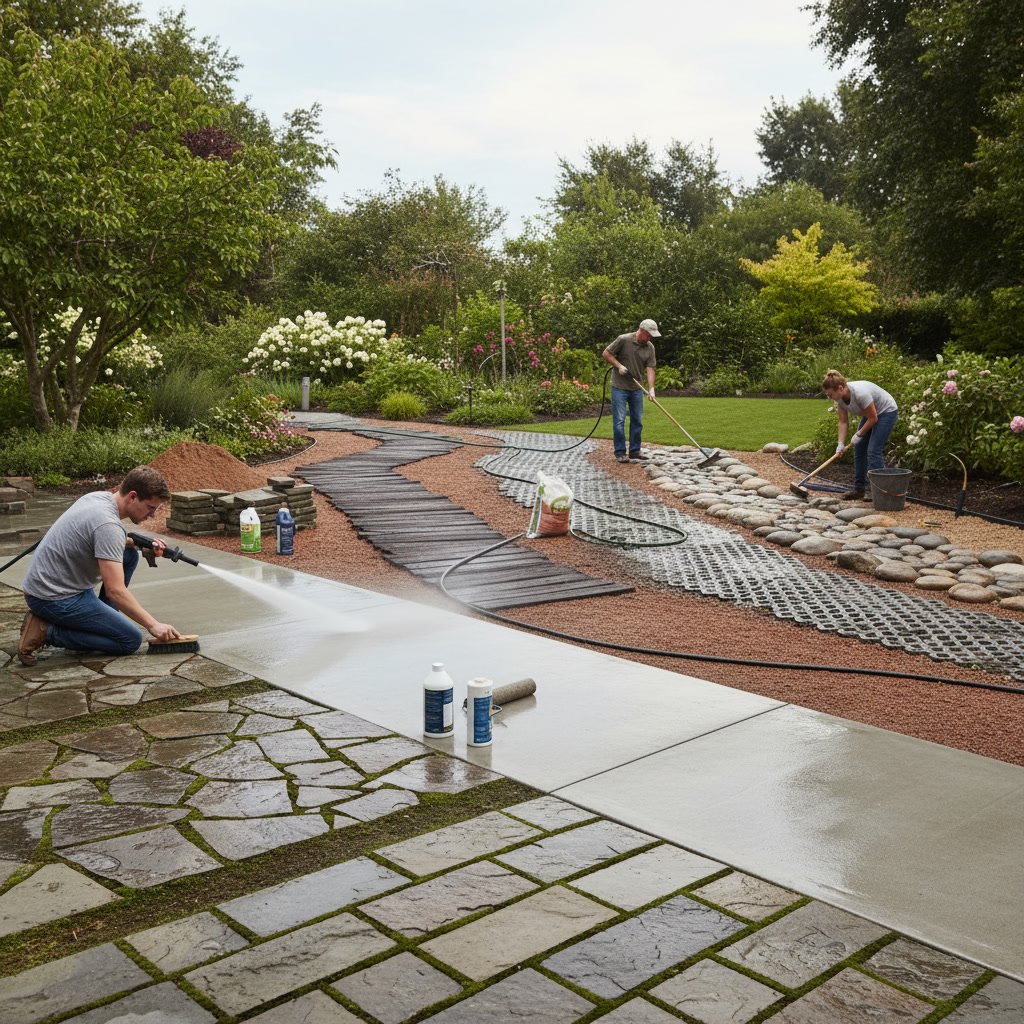
Initial installation cost tells only part of the story. Maintenance, repairs, and eventual replacement add up over decades. Concrete costs more upfront than gravel but far less over 20 years when you factor in maintenance time and material replacement.
Pavers fall in the middle. Installation costs more than poured concrete due to labor intensity, but individual units can be replaced if damaged. However, the need for periodic releveling and joint maintenance increases lifetime cost.
Natural stone carries the highest initial cost and ongoing maintenance expenses. Sealing, cleaning, and occasional replacement of cracked stones add up. Reserve natural stone for high-visibility areas where the aesthetic justifies the investment.
When to Choose Permeable Materials for Better Drainage
If your yard has drainage problems, permeable walkway materials allow water to soak through rather than running off. Permeable pavers, porous concrete, and gravel all let water infiltrate the ground, reducing runoff and erosion.
This approach works best in sandy or well-draining soils. Clay soil doesn’t absorb water quickly, so a permeable surface may still create pooling underneath. Before choosing permeable materials, evaluate whether your soil can handle the water volume.
Permeable concrete offers the durability of standard concrete with small voids that allow water through. It requires specialized installation to maintain structural integrity while providing drainage. Not every contractor has experience with this material, so verify expertise before committing.
Making the Right Choice for Your Home
Start by evaluating your climate, soil type, and how you use the space. High-traffic areas benefit from durable, monolithic materials like concrete. Low-traffic garden paths can use softer materials like gravel or natural stone.
Consider maintenance realistically. If you enjoy outdoor projects, pavers or gravel might suit your lifestyle. If you prefer minimal upkeep, concrete delivers decades of service with little attention.
Match the material to your yard’s overall design. A formal landscape pairs well with stamped concrete or natural stone. Casual, cottage-style yards suit gravel or brick. The walkway should feel like an intentional part of the landscape, not an afterthought.
Building Walkways That Last Decades
The best walkway balances aesthetics, durability, and maintenance in a way that fits your specific property. Concrete adapts to nearly every style while standing up to Northern California’s climate challenges. Proper base preparation and professional installation matter more than material choice in determining long-term success.
Since 1990, STAMATELOS CONSTRUCTION has helped homeowners throughout the Sierra foothills select and install walkways that enhance their properties for decades. Our family team brings specialized knowledge in landscaping and concrete work, ensuring every project benefits from proven techniques and quality materials. If your yard needs a walkway that handles your climate and looks great year after year, reach out to our team at +19163055310 to discuss your project.