An HVAC losing efficiency doesn’t always announce itself with a dramatic breakdown. Instead, you’ll notice gradual changes like higher energy bills, uneven temperatures between rooms, or the system running longer to reach the same comfort level. Recognizing these warning signs early lets you address small problems before they become expensive failures, saving both energy and money throughout the year.
How Energy Efficient HVAC Systems Should Perform
A properly functioning heating and cooling system maintains consistent indoor temperatures without running constantly. Modern units cycle on and off in predictable intervals, typically running 15 to 20 minutes at a time during moderate weather. The air coming from your vents should feel noticeably warm or cool depending on the season, and every room in your home should reach the thermostat setting within a reasonable timeframe.
Energy-efficient systems also operate quietly. While you’ll hear the outdoor compressor and indoor blower start up, excessive noise, rattling, or grinding sounds indicate mechanical problems that force the unit to work harder than designed. Pay attention to these baseline performance markers so you can spot changes before they escalate.
Utility Bills Climbing Without Clear Explanation
One of the earliest indicators that something has changed is a steady increase in monthly energy costs. If your heating or cooling bills have risen 15 to 25 percent compared to the same month last year, and you haven’t changed your thermostat habits or added new appliances, your system is likely working harder to deliver the same comfort.
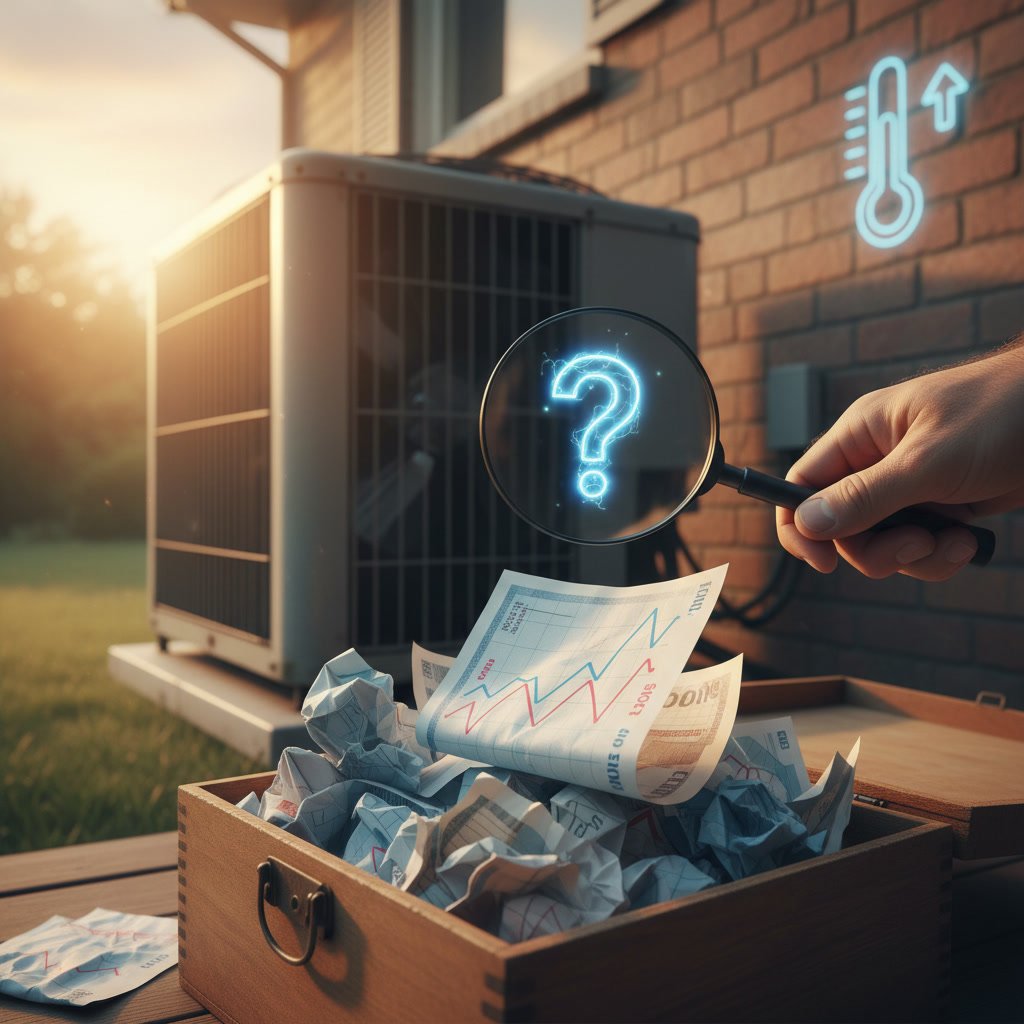
Track your bills over several months to identify patterns. A single spike might reflect unusually hot or cold weather, but consistent increases point to declining efficiency. Dirty filters, refrigerant leaks, failing motors, and blocked ducts all force the system to consume more electricity or gas to compensate for lost performance.
Temperature Differences Across Rooms
Uneven heating or cooling is a red flag that air isn’t circulating properly through your home. If the living room feels comfortable but the bedrooms stay too warm or too cold, the problem might be blocked vents, leaking ductwork, or an undersized system struggling to meet demand. Rooms farthest from the air handler often suffer first when efficiency drops.
Ductwork issues are surprisingly common in homes where other construction or remodeling work has taken place. Even minor damage during a project like interior and exterior painting can leave ducts disconnected or crushed behind walls. Professional inspection can pinpoint whether the issue lies in the air distribution network or the unit itself.
The System Runs Constantly in Shingle Springs Weather
In Shingle Springs, summer temperatures regularly reach the 90s, and winters dip into the 30s at night. Your HVAC system should handle these seasonal extremes without running nonstop. If the unit never seems to shut off, even during mild mornings or evenings, it’s a strong signal that efficiency has dropped significantly.
Constant cycling wastes energy and accelerates wear on critical components like the compressor and blower motor. This problem often stems from low refrigerant levels, failing capacitors, or thermostats that have drifted out of calibration. Addressing the root cause quickly prevents a total system failure during the peak of summer or the coldest winter nights.
Airflow Feels Weak or Inconsistent
Stand next to a supply vent when the system is running. The air should flow steadily and feel noticeably warmer or cooler than room temperature. Weak airflow suggests a clogged filter, failing blower motor, or obstructed ductwork. Inconsistent airflow, where the stream fluctuates or feels weaker in some rooms, points to leaks or blockages in the duct system.
Filters should be checked monthly and replaced every one to three months depending on household conditions. Homes with pets, ongoing construction dust from projects like concrete work, or high pollen counts need more frequent changes. A dirty filter alone can reduce efficiency by 15 percent and strain the blower motor.
Strange Noises During Operation
Grinding, squealing, or banging sounds are never normal. Grinding usually indicates worn bearings in the blower motor or outdoor fan. Squealing often comes from a loose or frayed belt in older systems. Banging or clanking suggests loose components, failing mounts, or debris inside the unit.
These noises signal that parts are failing or misaligned, forcing the system to work harder and consume more energy to overcome mechanical resistance. Ignoring the sounds leads to secondary damage as one failing component stresses others. Early intervention by a qualified technician from a trusted contractor like STAMATELOS CONSTRUCTION prevents costly emergency repairs.
The Unit Cycles On and Off Too Frequently
Short cycling, where the system turns on for only a few minutes before shutting off again, is one of the most energy-wasting patterns. This behavior prevents the unit from reaching its optimal operating efficiency and subjects components to excessive startup stress, which consumes far more energy than steady operation.
Common causes include oversized equipment installed during a previous replacement, refrigerant imbalances, dirty coils, or a malfunctioning thermostat. An oversized unit is a particularly expensive problem because it can’t be easily fixed without replacing the equipment. Proper load calculations during installation prevent this issue, which is why working with experienced professionals matters.
Humidity Problems Inside Your Home
Air conditioning systems naturally remove moisture as they cool. If indoor humidity feels unusually high during summer months, your AC isn’t running long enough or efficiently enough to dehumidify the air. Excess humidity makes your home feel warmer than the actual temperature, tempting you to lower the thermostat and waste even more energy.
Conversely, if winter air feels excessively dry and static, your heating system may be running too often without proper humidification. Both scenarios indicate that the system isn’t maintaining the balanced indoor environment it was designed to provide. Addressing efficiency problems often resolves humidity issues as a secondary benefit.
Visible Ice or Frost on the Outdoor Unit
Ice formation on the outdoor condenser coils or refrigerant lines during cooling season signals a serious efficiency problem. Low refrigerant levels, restricted airflow, or a malfunctioning expansion valve can all cause ice buildup. When ice blocks the coils, the system can’t transfer heat properly, forcing it to run longer while delivering less cooling.
Never attempt to chip or scrape ice from the coils. Turn off the system and contact a professional technician. Continuing to operate an icing unit can damage the compressor, the most expensive component to replace. This problem almost always requires professional diagnosis and repair to restore safe, efficient operation.
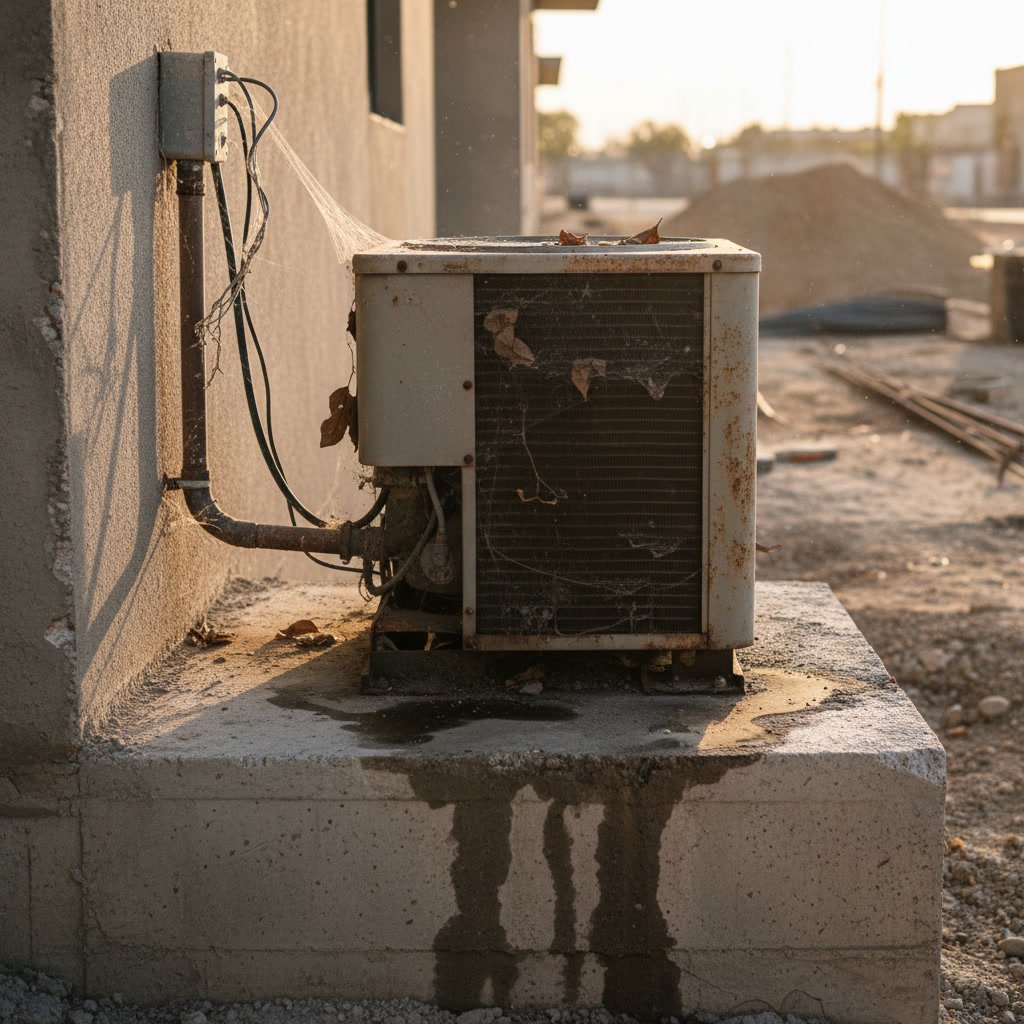
The System Is More Than 12 Years Old
Age alone doesn’t guarantee inefficiency, but HVAC technology has improved dramatically over the past 15 years. Units manufactured before 2010 typically operate at SEER ratings of 10 to 13, while modern systems reach 16 to 20 or higher. That efficiency gap translates directly into higher operating costs every month.
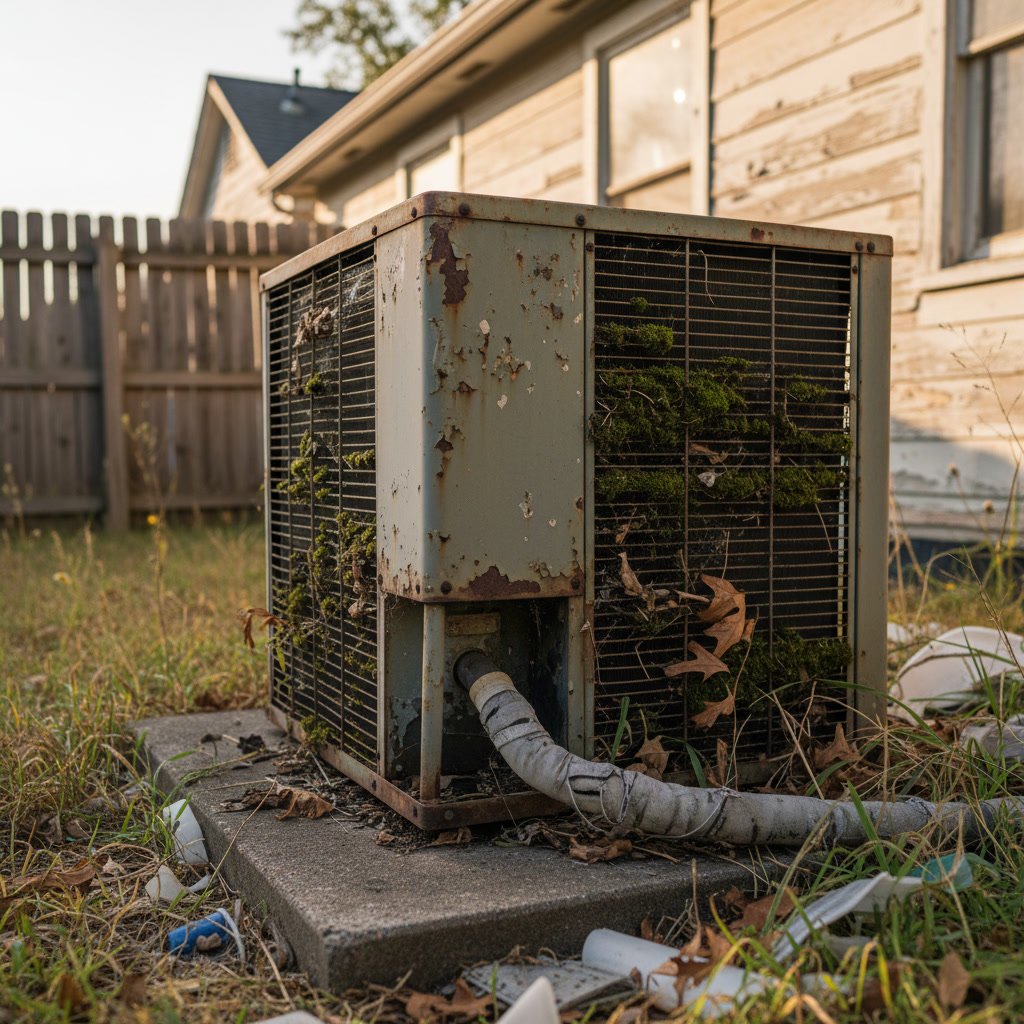
If your system has required multiple repairs in recent years, calculate whether the annual repair and energy costs exceed the monthly payment on a new, efficient replacement. Professional heating and air conditioning contractors can provide energy audits and cost comparisons to help you make an informed decision.
Protecting Your Comfort and Your Investment
Recognizing these warning signs early gives you control over the situation. You can schedule service during mild weather when technicians have open availability and competitive pricing, rather than facing an emergency breakdown during a heat wave or cold snap. Regular maintenance extends equipment life, reduces energy waste, and keeps your home comfortable year-round.
Just as you would address issues with other home systems, treating HVAC efficiency seriously protects both your comfort and your property value. The same attention to quality that goes into projects like landscaping or structural improvements should extend to the mechanical systems that make your house livable every day of the year.
Since 1990, STAMATELOS CONSTRUCTION has served homeowners throughout the Cameron Park area with skilled trades and honest advice. If you’ve noticed any of these efficiency warning signs in your heating or cooling system, our experienced team can diagnose the problem and recommend the most cost-effective solution. Reach out at +19163055310 to schedule an assessment and start saving energy today.