Standing water in your yard after every storm signals a drainage problem that grading or landscaping drainage solutions can solve. Grading reshapes the soil surface to redirect water flow, while drainage systems capture and channel water underground or through surface features. Understanding which approach works best for your specific flooding issue saves time, money, and protects your property foundation from long-term damage.
Why Yard Flooding Happens in the First Place
Most residential flooding stems from three root causes. Compacted soil prevents water absorption, forcing it to pool on the surface. Poor lot grading directs runoff toward your home instead of away from it. Clay-heavy soil, common in many areas, acts like a sealed barrier that water cannot penetrate.
Construction activity often worsens these problems. Heavy equipment compacts soil during building, and builders sometimes backfill around foundations with clay instead of gravel. Years later, homeowners discover water pooling against their basement walls or garage floors after moderate rain.
How Grading Solves Water Flow Problems
Grading changes the slope of your yard to create pathways for water to flow away from structures. Professional grading establishes a minimum slope of two percent, which means the ground drops at least 2.4 inches over every ten feet of distance.
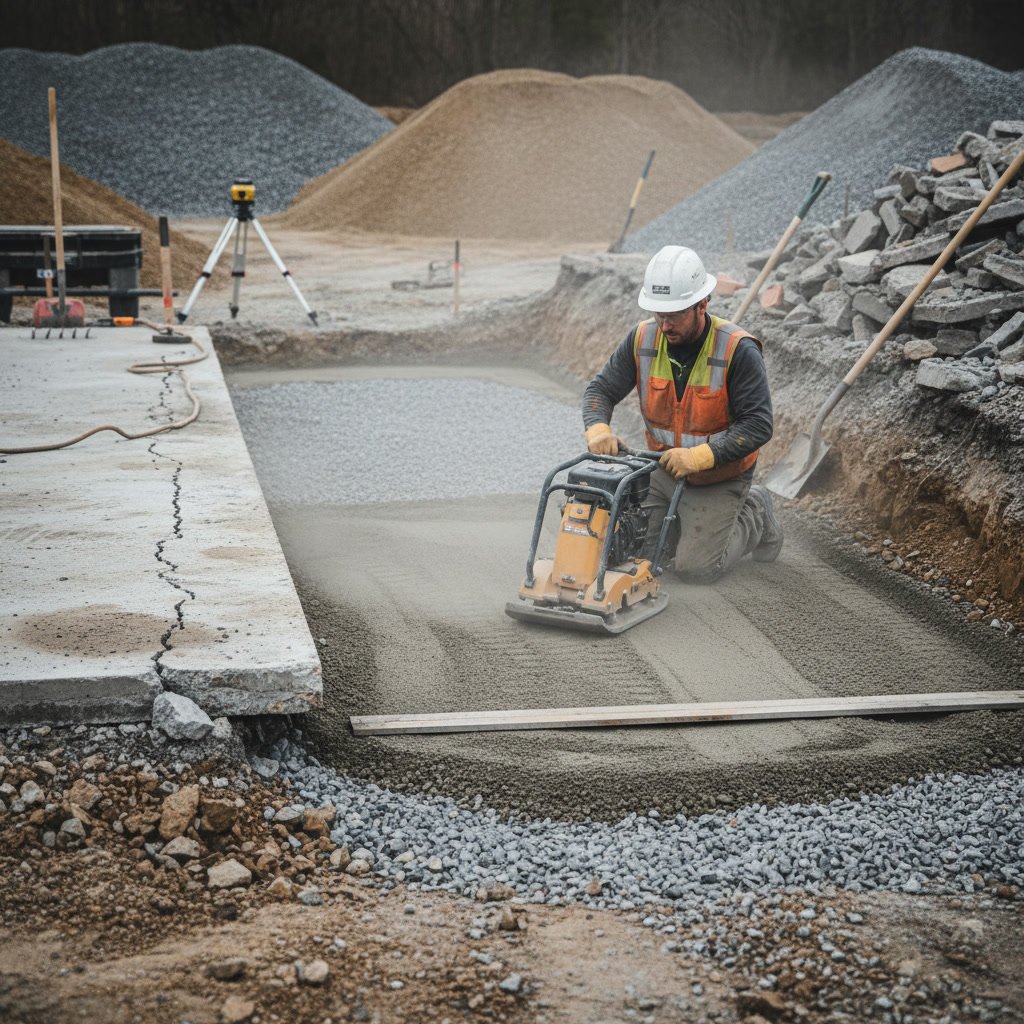
The process involves removing existing soil, reshaping the surface, and compacting it to prevent future settling. Proper grading directs water toward the street, a drainage easement, or a designated low area designed to handle runoff. This approach works best when your lot has enough space to create the necessary slope without disrupting existing walkways or neighboring properties.
Types of Drainage Systems That Channel Water
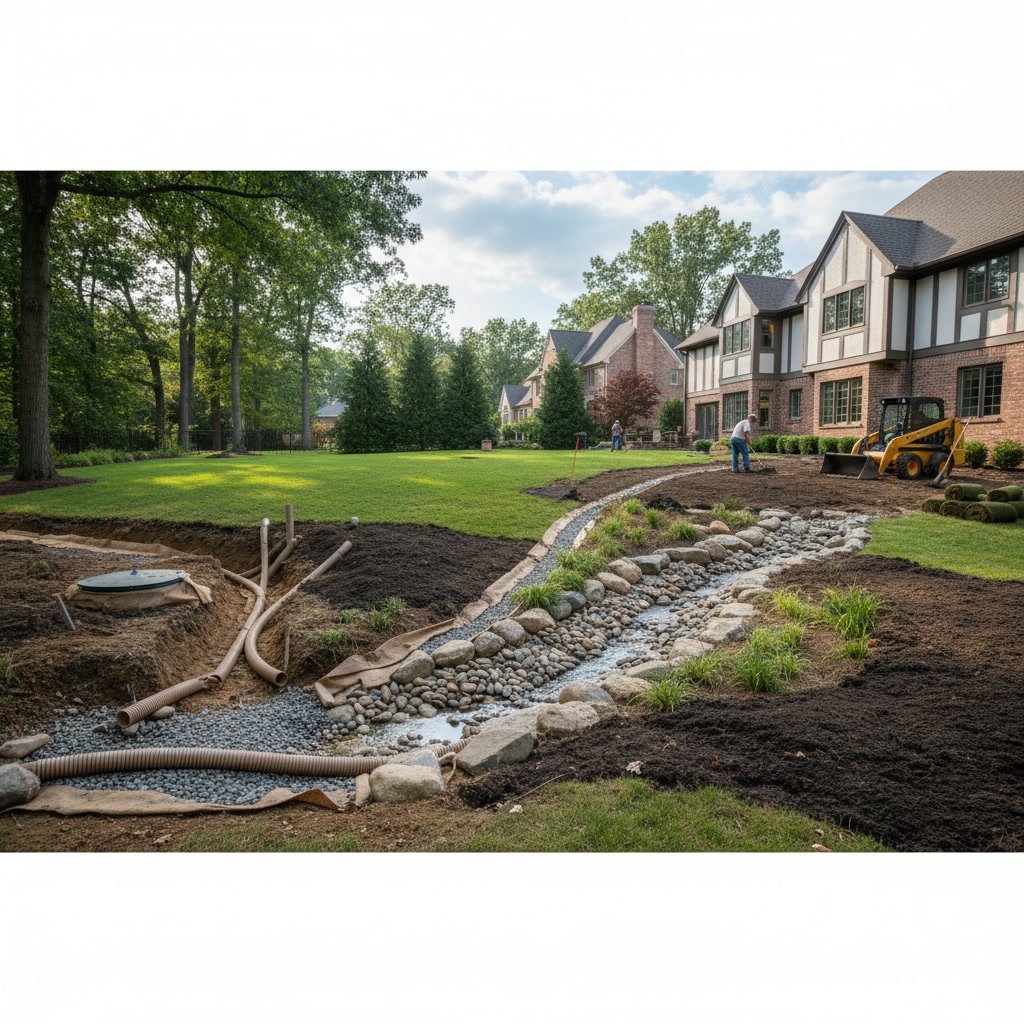
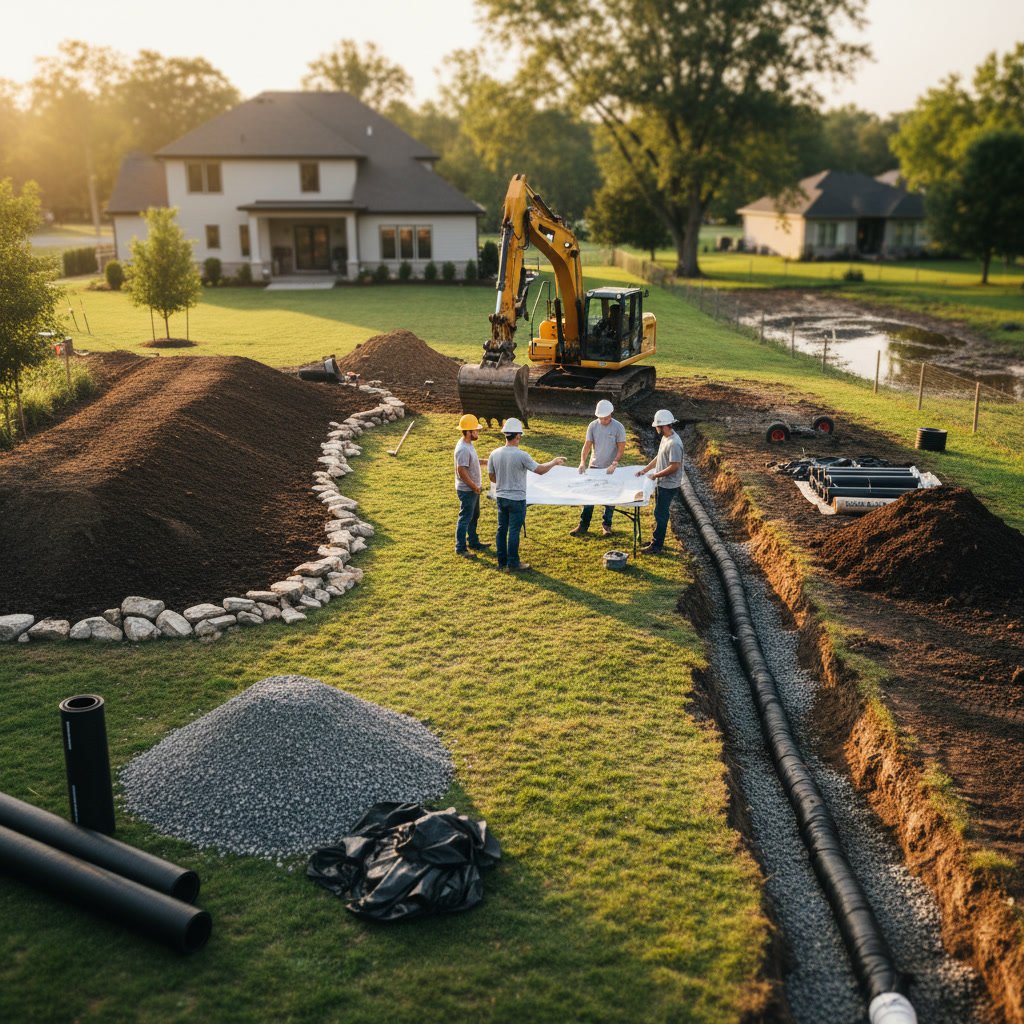
Several drainage systems handle flooding when grading alone cannot solve the problem. French drains use perforated pipes buried in gravel-filled trenches to collect and redirect groundwater. The pipe sits below the frost line and slopes gradually toward a safe discharge point.
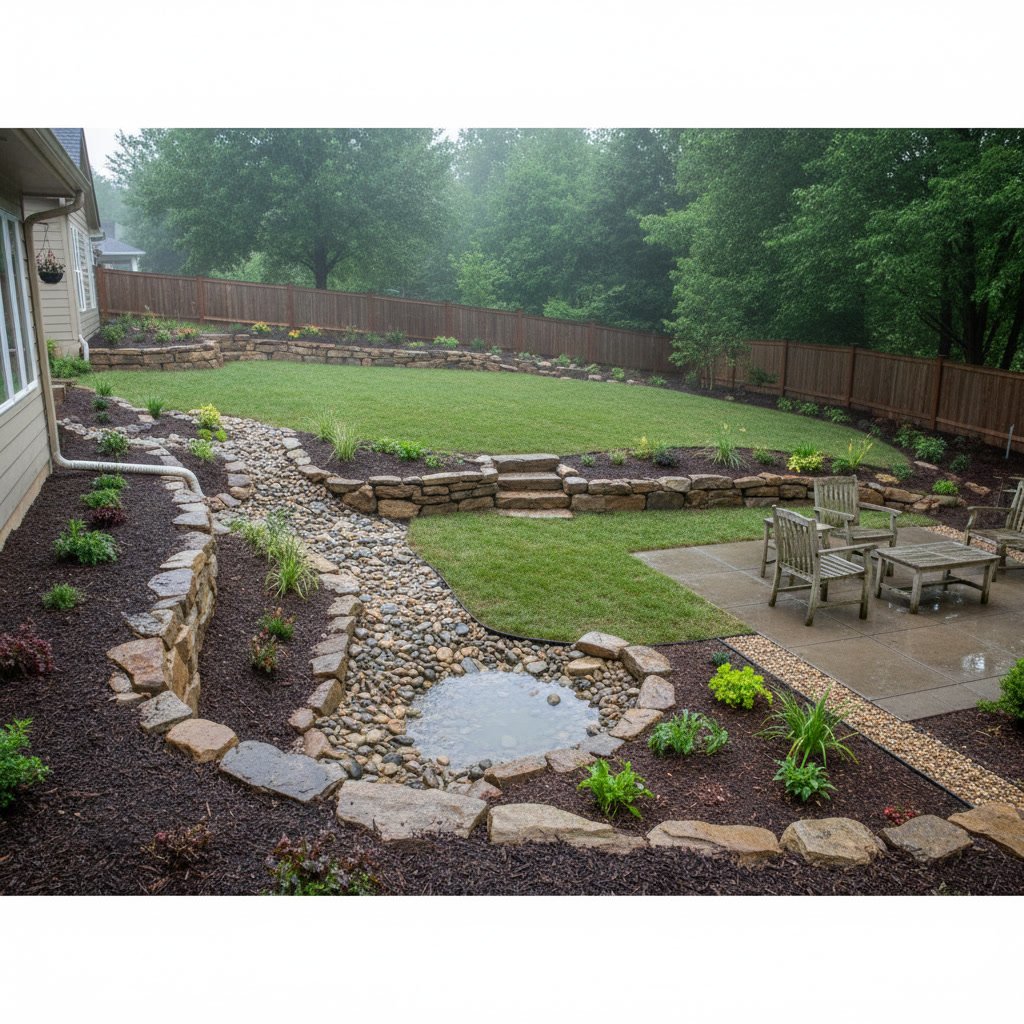
Surface drains capture water at low points through grated inlets connected to underground pipes. Channel drains span wider areas like driveways or patios, collecting sheet flow before it reaches problem zones. Dry creek beds offer a natural-looking option that channels water through decorative rock while adding visual interest to your landscaping design.
When Grading Works Better Than Drainage Systems
Grading makes the most sense when your yard shows mild to moderate flooding in predictable patterns. If water consistently flows toward one corner or pools in shallow areas after rain, reshaping the ground often provides a permanent fix without ongoing maintenance.
New construction sites benefit most from grading because the soil has not yet been planted or hardscaped. Properties with large open yards have room to create gentle slopes that look natural and blend with the existing landscape. Grading also costs less than installing drainage systems when no excavation obstacles like tree roots, utility lines, or existing concrete structures complicate the work.
When You Need Drainage Systems Instead of Grading
Some flooding problems cannot be solved by changing surface slopes alone. Yards with high water tables experience groundwater seeping up from below, requiring subsurface drainage to intercept it. Properties bordered by higher ground receive runoff from neighboring lots, overwhelming any reasonable grade you could create.
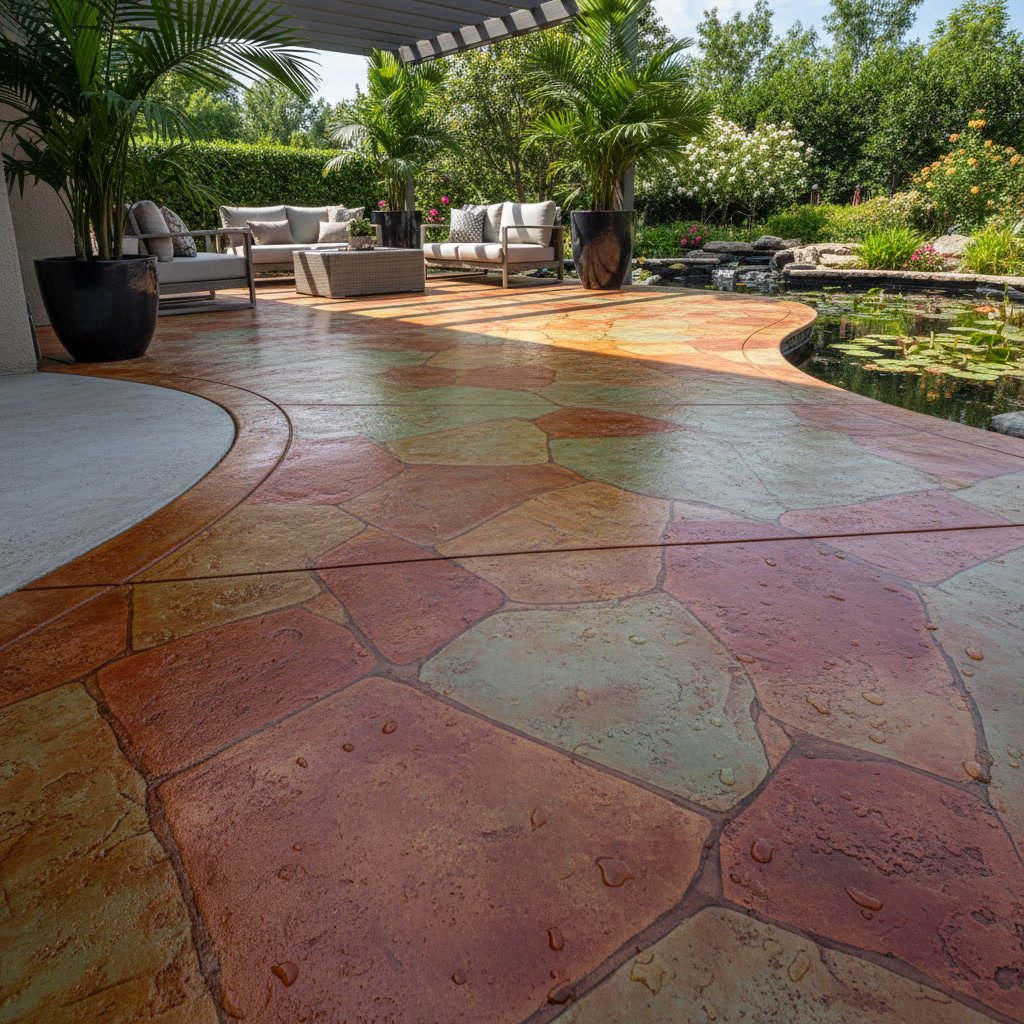
Limited space presents another challenge. If your lot sits tight between other homes or features mature landscaping you want to preserve, installing drainage pipes lets you move water without drastically altering the terrain. Hardscaped areas like concrete pool decks and patios already lock the grade in place, making drainage systems the only viable option.
Combining Both Approaches for Complete Protection in Shingle Springs
The most effective solutions often pair grading with strategic drainage features. Start by establishing proper slope across the majority of your yard, then add French drains or surface inlets at critical points where water naturally concentrates.
This layered approach handles both surface runoff and subsurface seepage. Grading directs sheet flow away from your foundation while buried drains intercept groundwater before it reaches your basement. The combination also provides backup protection during heavy storms that exceed the capacity of any single system.
Many properties in areas like Cameron Park and surrounding communities deal with seasonal flooding that requires both surface and subsurface management. Clay soils hold water near the surface while hillside lots receive runoff from higher elevations, creating conditions where integrated solutions perform better than either method alone.
What Professional Assessment Reveals About Your Flooding
Experienced contractors identify flooding causes that homeowners often miss. They measure existing slopes with laser levels to determine if your yard meets minimum grade requirements. Soil percolation tests reveal how quickly water penetrates the ground, which dictates whether you need subsurface drainage.
Professionals also trace water sources beyond your property line. Municipal storm drains sometimes back up during peak flow, sending water across your yard. Broken irrigation lines can saturate soil and mimic natural flooding. A thorough assessment maps these variables before recommending grading, drainage, or both.
One expert-level insight that separates adequate solutions from exceptional ones: always verify the discharge point before designing any drainage system. Many homeowners focus on moving water away from their foundation without confirming where it goes next. Directing runoff toward a neighbor’s property, a septic field, or an area without legal drainage easement creates future problems and potential liability.
Cost Factors That Influence Your Decision
Grading typically costs less per square foot than installing drainage systems because it requires less material and labor. Simple regrading of a small yard might run a few thousand dollars, while French drain installation adds pipe, gravel, fabric, and excavation costs that increase the total.
Site conditions affect pricing more than the method itself. Rocky soil or tight access that prevents machinery from reaching the work area drives up labor hours. Projects requiring utility location, permits, or removal of existing hardscape add to the budget regardless of whether you choose grading or drainage.
Long-term value also matters. Proper grading typically requires no maintenance once complete and grass or plantings establish. Drainage systems need periodic inspection and occasional cleaning to remove sediment that can clog pipes. Similar to how understanding when to resurface or replace concrete saves money over time, choosing the right drainage approach prevents expensive repairs down the road.
How Drainage Affects Other Outdoor Projects
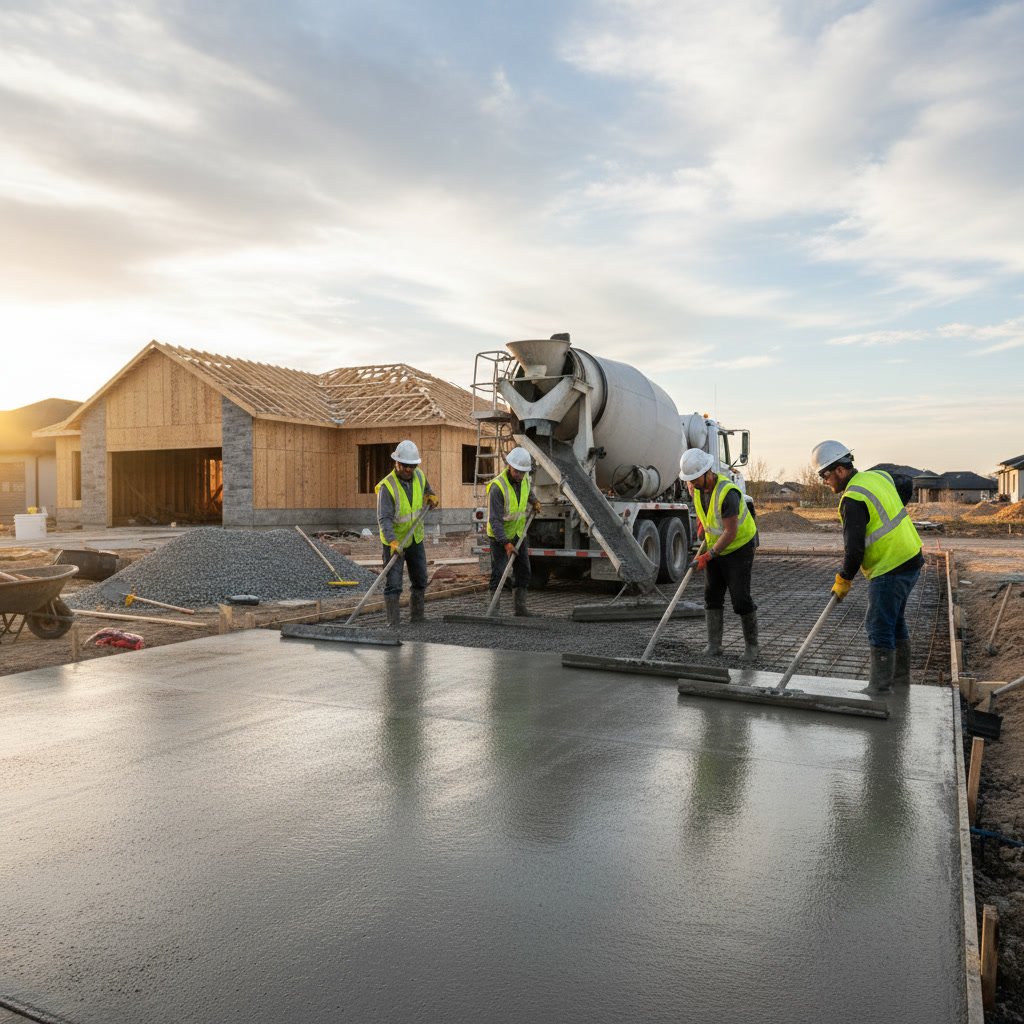
Solving drainage problems first protects other investments you make in your property. Installing a new driveway over poorly drained soil leads to settling, cracking, and premature failure. Even minor water infiltration under concrete work causes voids that collapse under vehicle weight.
Retaining walls require proper drainage behind them to prevent hydrostatic pressure buildup that can push the wall outward. Outdoor living spaces like patios need slopes that shed water while maintaining comfortable walking surfaces. Planning drainage early in your project timeline ensures every element works together instead of creating new problems.
Maintenance Requirements for Each Approach
Graded yards need occasional touch-ups as soil settles over the first year or two. Replanting grass in bare spots and adding topsoil to low areas maintains the slope you paid to create. Downspout extensions should be checked annually to ensure they still direct roof runoff to safe areas.
Drainage systems require more active care. French drains can clog with silt if the fabric wrap deteriorates or tree roots penetrate the pipe. Surface grates collect leaves and debris that block water flow. Flushing pipes every few years and inspecting outlets after major storms keeps the system functioning as designed.
Protecting Your Investment for the Long Term
Proper drainage protects your home’s foundation, prevents basement flooding, and preserves your landscaping investment. Whether you choose grading, drainage systems, or a combination of both, the solution should address your specific site conditions rather than following a one-size-fits-all approach.
Working with experienced professionals ensures you get accurate assessment, proper installation, and results that last for decades. The right approach depends on your property’s unique characteristics, budget, and long-term maintenance preferences.
STAMATELOS CONSTRUCTION has helped homeowners throughout El Dorado County solve complex drainage challenges since 1990. Our team evaluates your property’s grading, soil type, and water flow patterns to recommend the most effective solution. Call +19163055310 to schedule an assessment and protect your home from water damage.