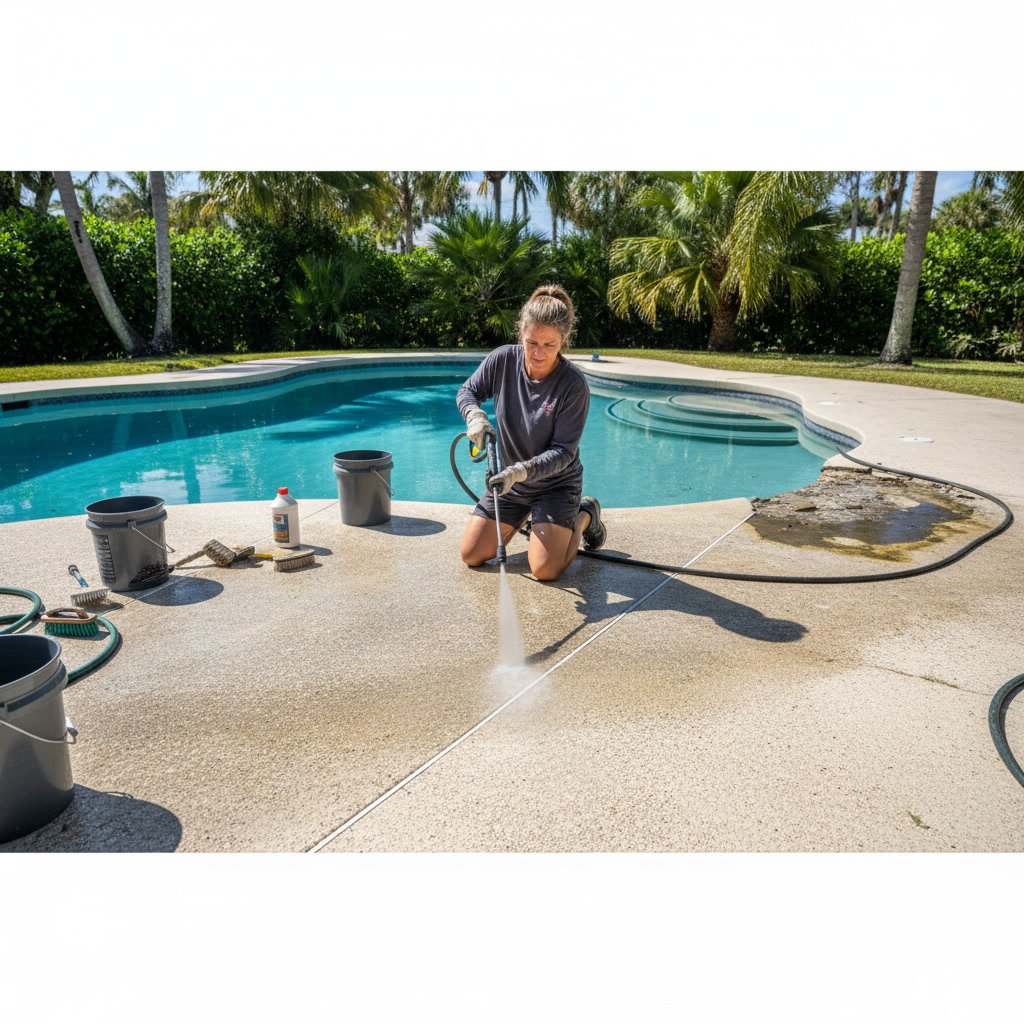
Most pool deck cleaning DIY tasks can be handled with basic equipment and the right approach, but serious cracks, spalling, or structural damage always require professional concrete restoration. For surface-level dirt, algae, and minor stains, homeowners can achieve excellent results with proper tools and technique. Once you see widespread deterioration, uneven settling, or deep discoloration that resists scrubbing, it’s time to call in experienced contractors who can properly assess and repair the underlying issues.
Why Pool Deck Maintenance Matters More Than You Think
Your concrete pool deck endures constant exposure to chlorinated water, UV rays, freeze-thaw cycles, and heavy foot traffic. Over time, these forces degrade the surface and create safety hazards. Algae growth makes surfaces dangerously slippery. Stains from leaves, sunscreen, and rust detract from your pool area’s appearance. Neglecting routine cleaning accelerates wear and leads to expensive repairs down the line.
Regular maintenance extends the lifespan of your deck by preventing moisture penetration and surface degradation. Clean concrete reflects heat better, stays cooler underfoot, and maintains better traction. You protect your investment and create a safer environment for family and guests.
The Reality of Concrete Pool Decks Around Shingle Springs
Homeowners in our area face specific challenges due to seasonal temperature swings and local soil conditions. Summer heat can reach well above 100 degrees, causing concrete to expand. Winter nights drop below freezing, creating contraction cycles that stress the material. Clay-rich soil common to Shingle Springs shifts with moisture changes, sometimes causing settling or cracking beneath pool decks.
Hard water deposits also build up faster here, leaving white calcium scaling that regular soap and water won’t touch. These regional factors mean your pool deck needs both preventive cleaning and periodic professional inspection to catch problems before they become structural issues.
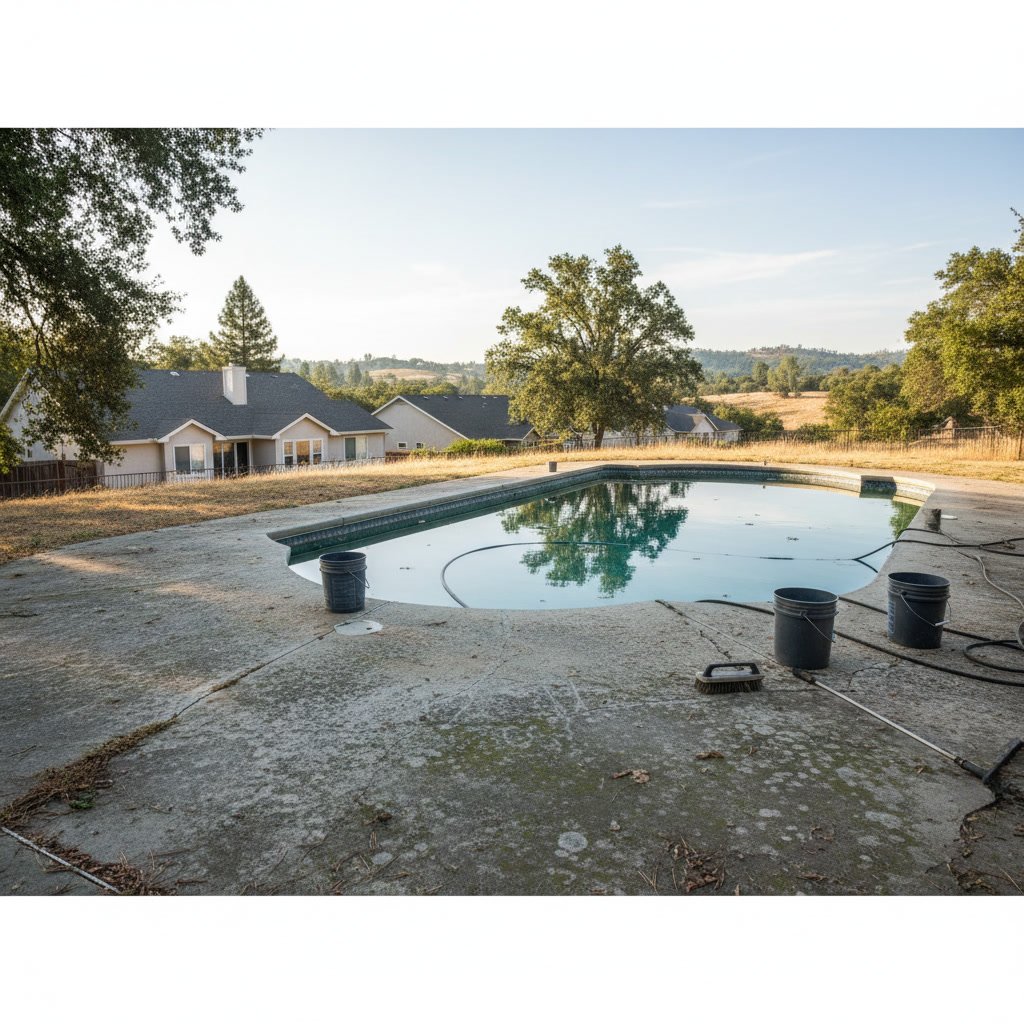
Five Pool Deck Cleaning Tasks You Can Handle Yourself
Most routine maintenance falls within the skill range of any homeowner with basic tools. Start with sweeping or leaf-blowing debris at least weekly during pool season. Dirt and organic matter trap moisture against the concrete, promoting staining and algae growth.
Pressure washing with a wide-angle nozzle removes surface dirt, algae, and light mildew. Use 1500 to 2500 PSI for most concrete surfaces. Hold the nozzle 12 to 18 inches from the surface and work in overlapping passes. Too much pressure or a narrow nozzle can etch the concrete and create permanent damage.
Mild detergent solutions handle everyday grime effectively. Mix a cup of dish soap or concrete cleaner with five gallons of water, scrub with a stiff-bristled brush, and rinse thoroughly. This method works well for oil stains, food spills, and general discoloration from use.
Calcium deposit removal requires white vinegar or a specialized calcium remover. Apply the solution, let it sit for 10 to 15 minutes, scrub with a brush, and rinse. Stubborn deposits may need two or three treatments. Always test any acidic cleaner on a small hidden area first to ensure it doesn’t discolor your concrete pool deck finish.
Sealer application every two to three years protects against stains and moisture penetration. Clean the deck thoroughly, let it dry for at least 24 hours, then apply concrete sealer with a roller or sprayer according to manufacturer instructions. Two thin coats provide better protection than one heavy coat.
Warning Signs That Cleaning Won’t Fix the Problem
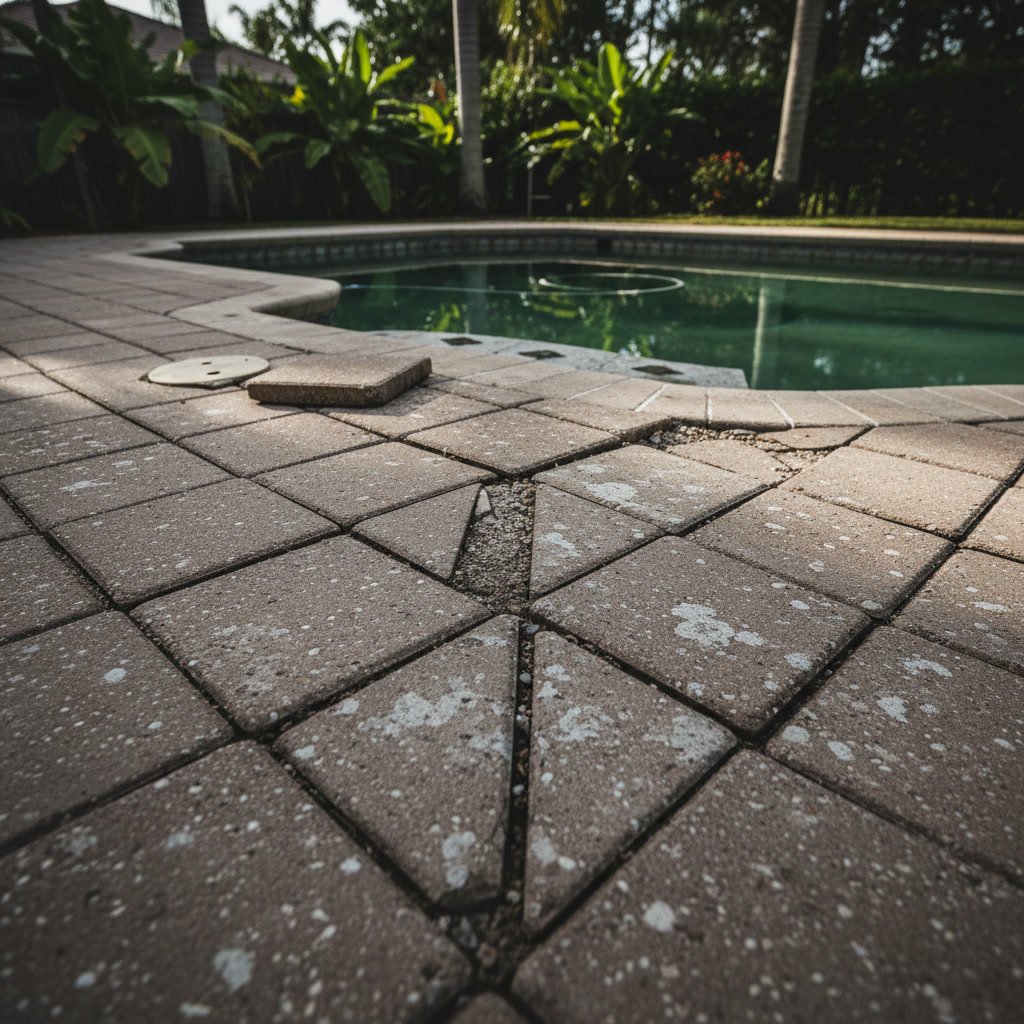
Certain conditions signal that surface cleaning won’t address the real issue. Cracks wider than a quarter inch indicate structural movement or settling that requires professional evaluation. These often worsen rapidly once they start and can trip people or allow water to undermine the slab.
Spalling, where the concrete surface flakes or chips away in layers, means the material has degraded beyond what cleaning can repair. This usually results from freeze-thaw damage, poor initial installation, or water penetration below the surface. You’ll see rough, pitted areas that expose the aggregate beneath.
Uneven settling creates trip hazards and drainage problems. If one section of your deck sits noticeably lower than another, or if water pools in areas that used to drain properly, the slab has shifted on its base. Cleaning won’t level concrete.
Deep staining that penetrates below the surface layer resists all DIY cleaning methods. This often appears as dark shadows, rust stains from rebar, or discoloration from tree roots and organic acids. Professional concrete staining can restore uniform color when cleaning fails.
Tools and Products That Actually Work for DIY Cleaning
Skip the cheap pressure washers rated below 1500 PSI. They lack the power to remove embedded dirt and algae effectively. Gas-powered models in the 2000 to 3000 PSI range offer the best combination of power and control for concrete surfaces. Electric models work fine if you have outdoor outlets nearby and don’t mind the cord.
Invest in quality brushes. Stiff synthetic bristles resist wear better than natural fibers and won’t leave residue. A long-handled brush saves your back during scrubbing. For tight corners around pool coping, keep a smaller hand brush available.
Avoid harsh acids unless you’re dealing with specific mineral deposits. Muriatic acid works on calcium scaling but can damage concrete and surrounding landscaping if used incorrectly. Phosphoric acid cleaners are gentler and equally effective for most applications. Always wear gloves, eye protection, and work in ventilated conditions when using any acidic product.
Oxygen bleach, not chlorine bleach, safely removes mildew and organic stains without harming plants or discoloring colored concrete. Mix the powder with water according to package directions, apply liberally, let it work for 20 minutes, then scrub and rinse.
How Professionals Approach Concrete Pool Deck Restoration
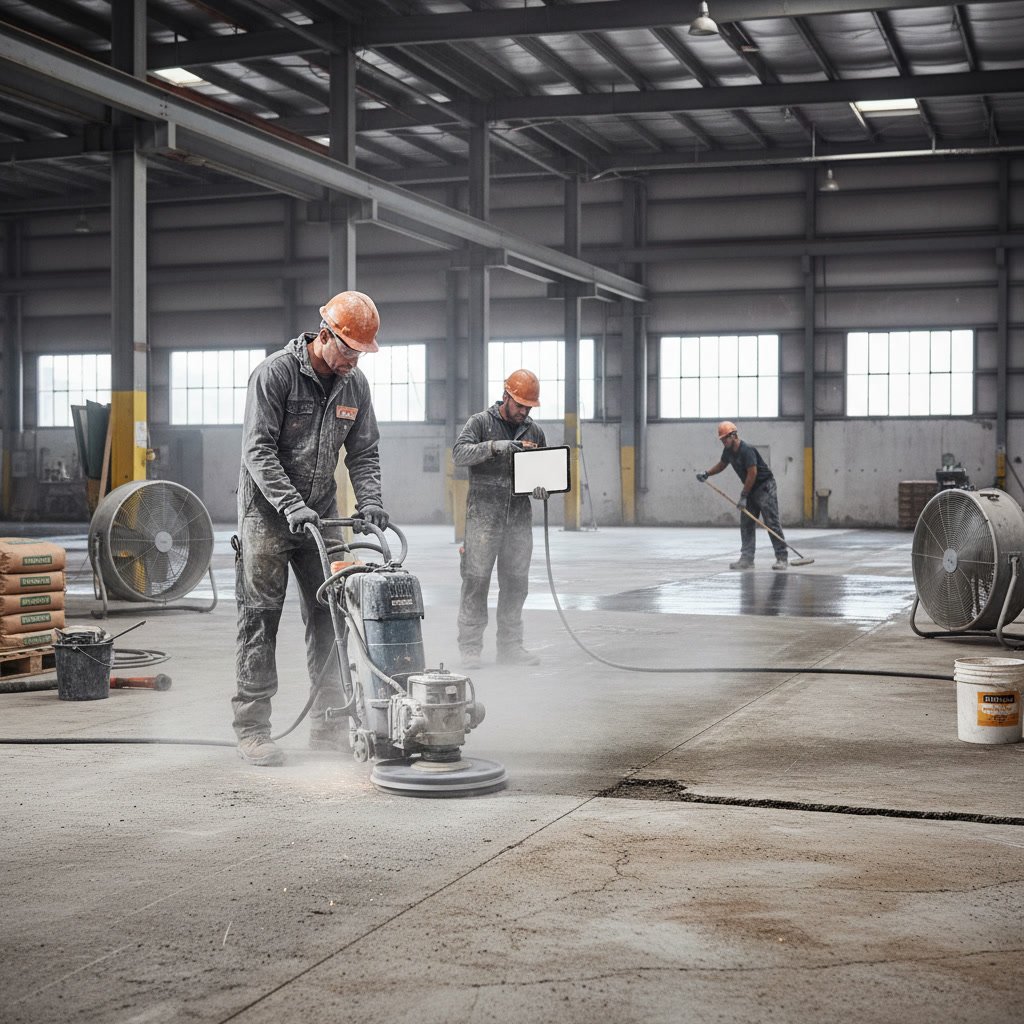
Professional concrete restoration starts with a thorough assessment of the deck’s condition. Contractors check for structural issues, measure crack widths, test for hollow spots beneath the surface, and evaluate drainage patterns. This diagnostic phase identifies root causes, not just visible symptoms.
Crack repair involves routing out damaged areas, cleaning thoroughly, and filling with specialized epoxy or polyurethane compounds that flex with temperature changes. Simple surface patching fails quickly because it doesn’t bond properly or accommodate concrete’s natural movement.
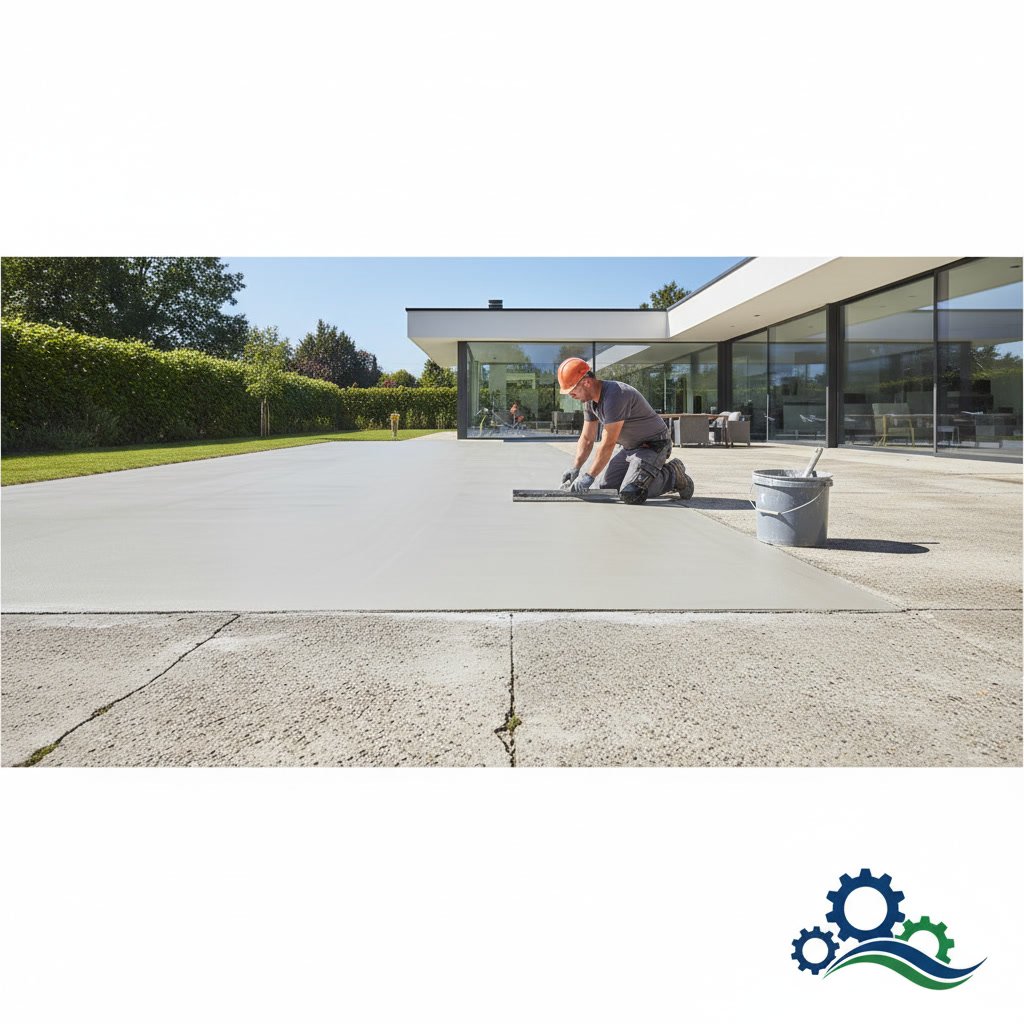
Resurfacing applies a new layer of material over sound but worn concrete. Options include micro-toppings, polymer overlays, or decorative systems that completely transform the appearance while providing a fresh, durable surface. This approach costs far less than replacement and can be completed in two to three days.
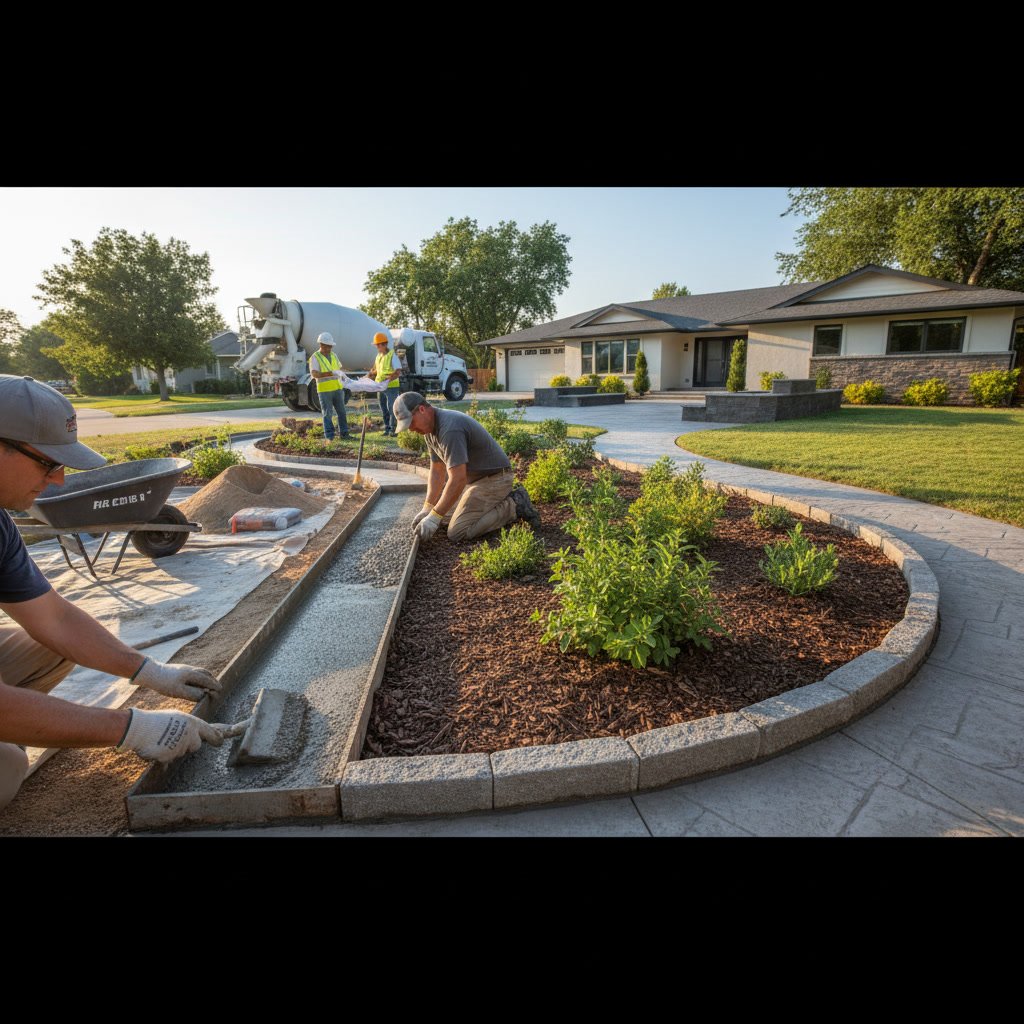
For severely damaged decks, professionals may recommend full replacement. This involves removing the old concrete, addressing any base or drainage issues, installing proper reinforcement, and pouring new concrete to current standards. While more expensive, replacement gives you decades of additional service life.
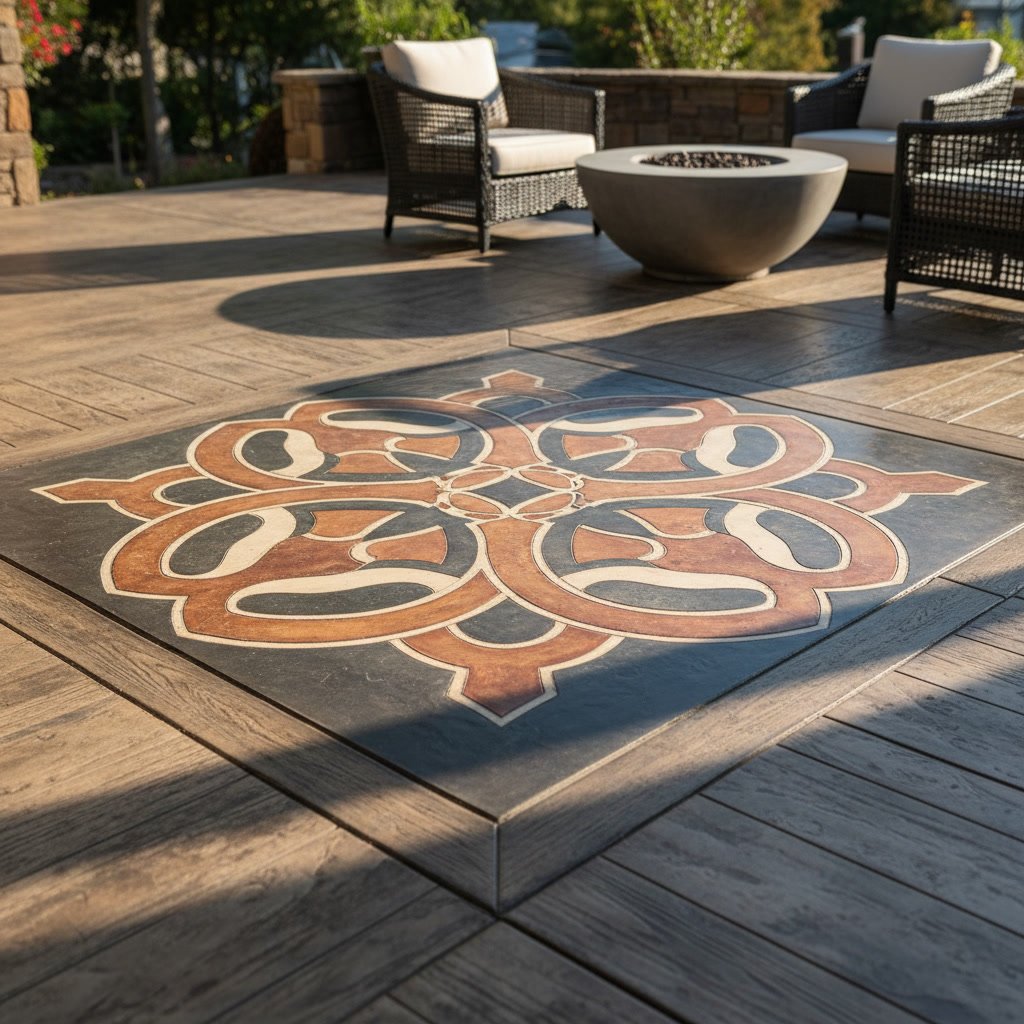
Color restoration techniques like single color restoration can refresh faded or stained concrete without resurfacing. Professionals apply specialized stains or dyes that penetrate the surface and create lasting color that won’t peel or chip like paint.
The Hidden Costs of Postponing Professional Help
Small cracks become big problems surprisingly fast. Water enters through surface cracks, freezes during winter, and expands with tremendous force that widens the damage. What starts as a hairline crack can grow into a major structural issue within two or three freeze-thaw cycles.
Liability concerns escalate when your pool deck develops uneven surfaces or slippery areas from unchecked algae growth. If a guest trips and injures themselves on your property, you face potential legal and financial consequences that dwarf the cost of timely repairs.
Property value takes a hit when potential buyers see a deteriorating pool deck. The condition of outdoor living spaces significantly influences home sale prices. Buyers either demand price reductions or walk away entirely when they spot deferred maintenance.
Complete replacement costs three to four times more than timely restoration. Catching problems at the repairable stage saves thousands of dollars. Similar to how driveway cracks worsen over time, pool deck damage accelerates once it begins.
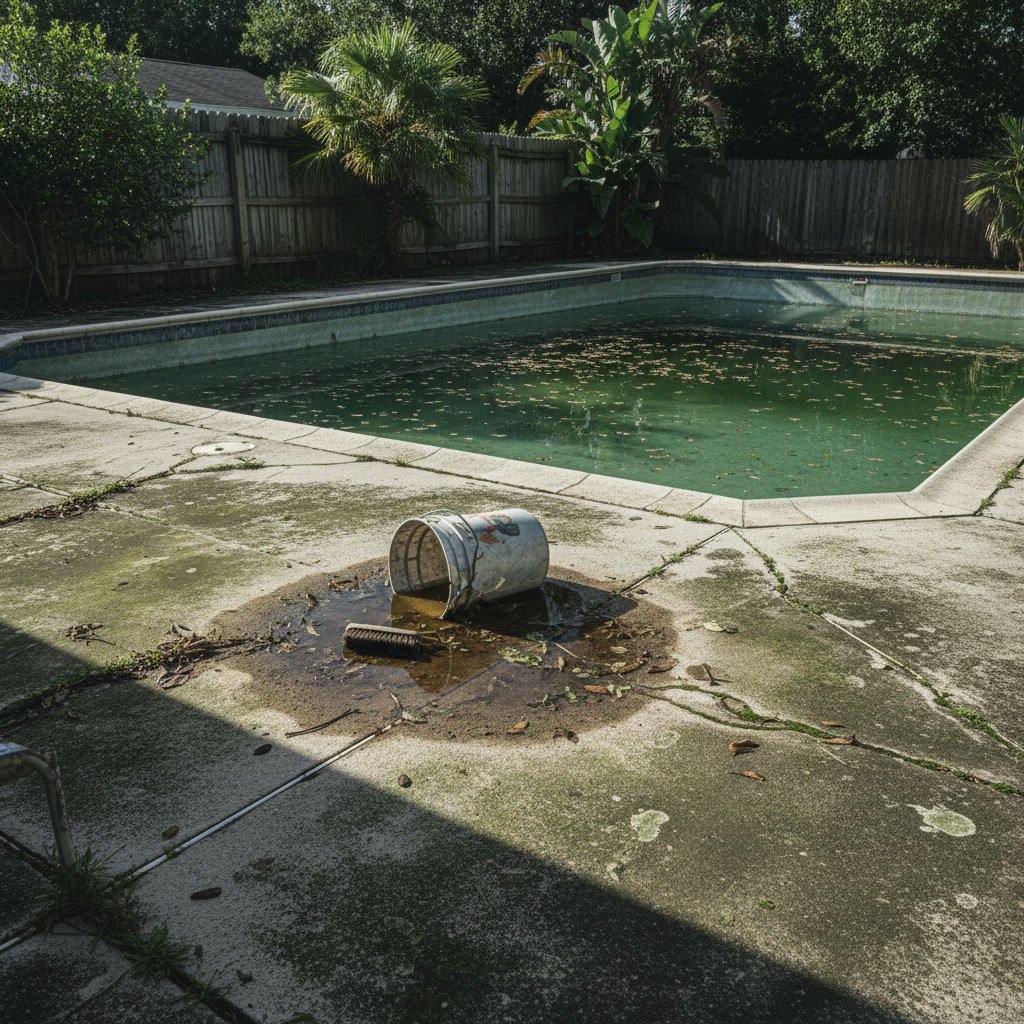
Choosing Between Restoration Methods for Your Situation
Simple cleaning and sealing works when your concrete remains structurally sound with only surface-level staining or dullness. This option costs the least and can be repeated every few years to maintain appearance. It doesn’t fix cracks, level uneven areas, or address spalling.
Overlay systems provide a fresh surface and can incorporate decorative elements like color, texture, or patterns. They require a sound base with properly repaired cracks. Overlays typically last 10 to 15 years with proper maintenance and sealing.
Staining or dyeing refreshes color without changing texture or adding thickness. This approach works well for decks with good structure but poor appearance. The color penetrates the surface and won’t peel, though it may fade over many years and require reapplication.
Full replacement makes sense when the existing slab has widespread structural problems, severe settling, or was poorly installed originally. You gain the opportunity to improve drainage, add decorative features, or change the deck’s size and shape to better suit your needs.
Seasonal Maintenance Schedule That Prevents Major Problems
Spring preparation begins with a thorough cleaning after winter. Inspect for any new cracks or damage from freeze-thaw cycles. Pressure wash the entire surface, treat any mildew or algae growth, and apply fresh sealer if the previous coat has worn thin. Check that all drainage still functions properly.
Summer requires weekly sweeping and monthly washing during heavy use periods. Address spills and stains promptly before they set. Monitor for slippery spots that indicate algae growth and clean them immediately. Keep furniture pads or coasters under metal objects that might rust and stain.
Fall cleanup removes leaves and organic debris that can stain concrete if left to decompose over winter. Give the deck a final deep cleaning before cold weather arrives. This is also the ideal time to apply sealer, as temperatures remain moderate and you won’t use the pool for several months.
Winter monitoring involves periodic checks for ice damage and ensuring proper drainage of rain and snowmelt. Avoid using rock salt or calcium chloride de-icers directly on concrete, as they accelerate surface deterioration. Sand provides traction without chemical damage.
Expert-Level Insight Most Contractors Won’t Mention
Here’s something most homeowners never learn: the single biggest factor determining how well your pool deck ages is the quality of the substrate preparation during initial installation. A deck poured over poorly compacted fill or inadequate base material will develop problems no amount of maintenance can prevent. When you see recurring cracks in the same areas despite repairs, or progressive settling, the issue lies below the concrete itself.
Professional restoration can address this by stabilizing the base through mud-jacking or polyurethane injection before repairing the surface. These methods fill voids beneath the slab and provide solid support. Without fixing the foundation issue, surface repairs waste money because the same problems return within months. Ask any contractor proposing repairs whether they’ve checked for voids or settling, and insist on base stabilization if needed before investing in cosmetic restoration.
Making the Smart Choice for Your Pool Deck
You now understand which cleaning tasks deliver results and which problems demand professional expertise. Regular maintenance with appropriate tools keeps your pool deck looking good and functioning safely for years. When you spot structural damage, widespread deterioration, or staining that resists DIY methods, you’re better served by calling experienced contractors who can properly diagnose and repair the underlying issues.
The key is honest assessment. If you’re unsure whether damage falls within DIY territory or needs professional attention, err on the side of getting an expert opinion. Most reputable contractors provide free assessments and can give you options ranging from simple repairs to complete restoration.
STAMATELOS CONSTRUCTION has restored hundreds of pool decks throughout the region since 1990, combining skilled craftsmanship with honest assessments of what your deck truly needs. Our family-owned team brings decades of concrete expertise to every project, whether it’s straightforward restoration or complex structural repairs. If your pool deck shows signs of serious wear or you’d like a professional evaluation of its condition, reach out to our team at +19163055310 to schedule a free consultation and discover the most cost-effective solution for your situation.