Single color concrete restoration typically lasts 7 to 10 years with proper maintenance, while multi-color staining averages 5 to 8 years before requiring touch-ups. The difference comes down to application depth, UV resistance, and how each method bonds with the concrete substrate. Both approaches can transform worn concrete surfaces, but their longevity depends on material quality, surface preparation, and local climate conditions.
Why Concrete Surfaces Need Restoration or Staining
Concrete naturally degrades over time. Exposure to sunlight breaks down the surface layer, creating that faded gray appearance most homeowners recognize. Water infiltration causes spalling and surface erosion. Vehicle traffic, foot traffic, and seasonal freeze-thaw cycles accelerate the wear.
Bare concrete also absorbs stains from oil, rust, organic matter, and other contaminants. Once these penetrate the porous surface, simple cleaning cannot remove them. Restoration and staining both address these issues while adding color and protection, but they accomplish this through different chemical processes.
How Single Color Restoration Works
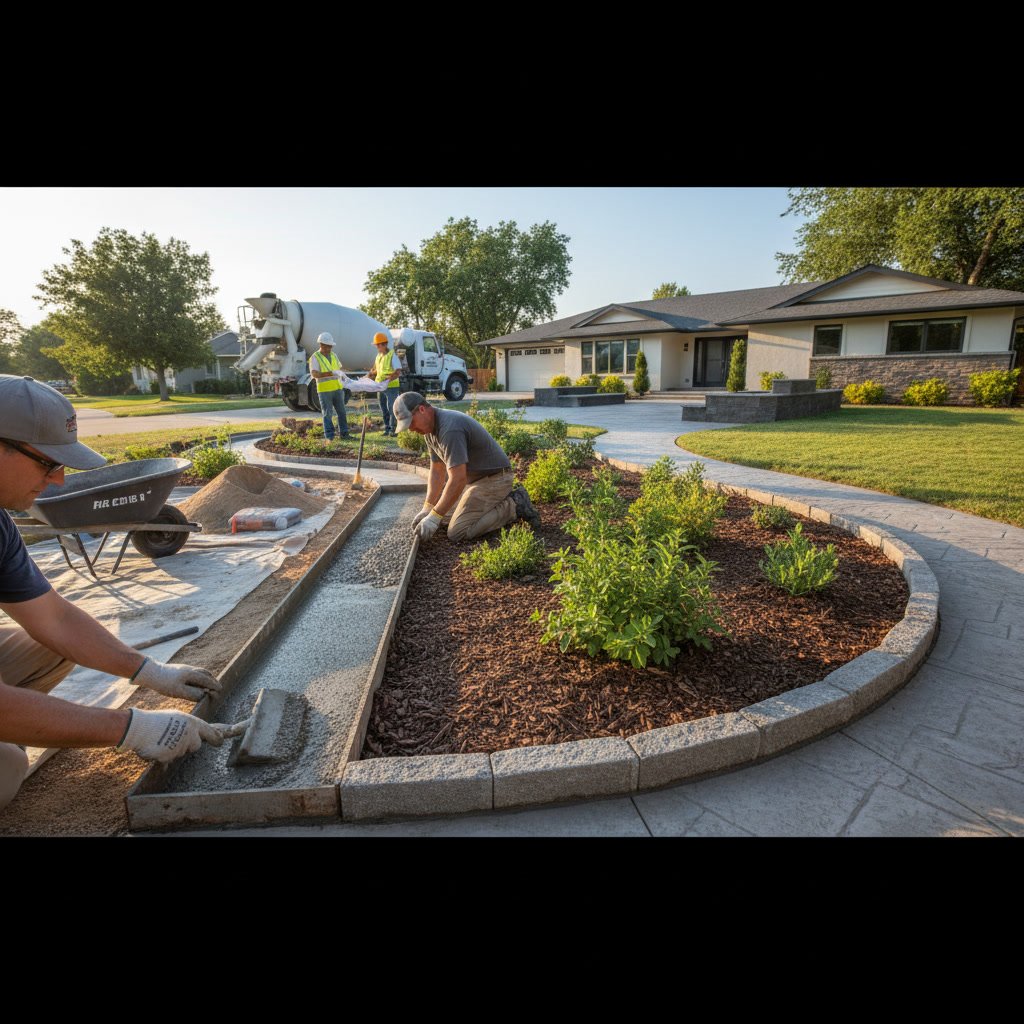
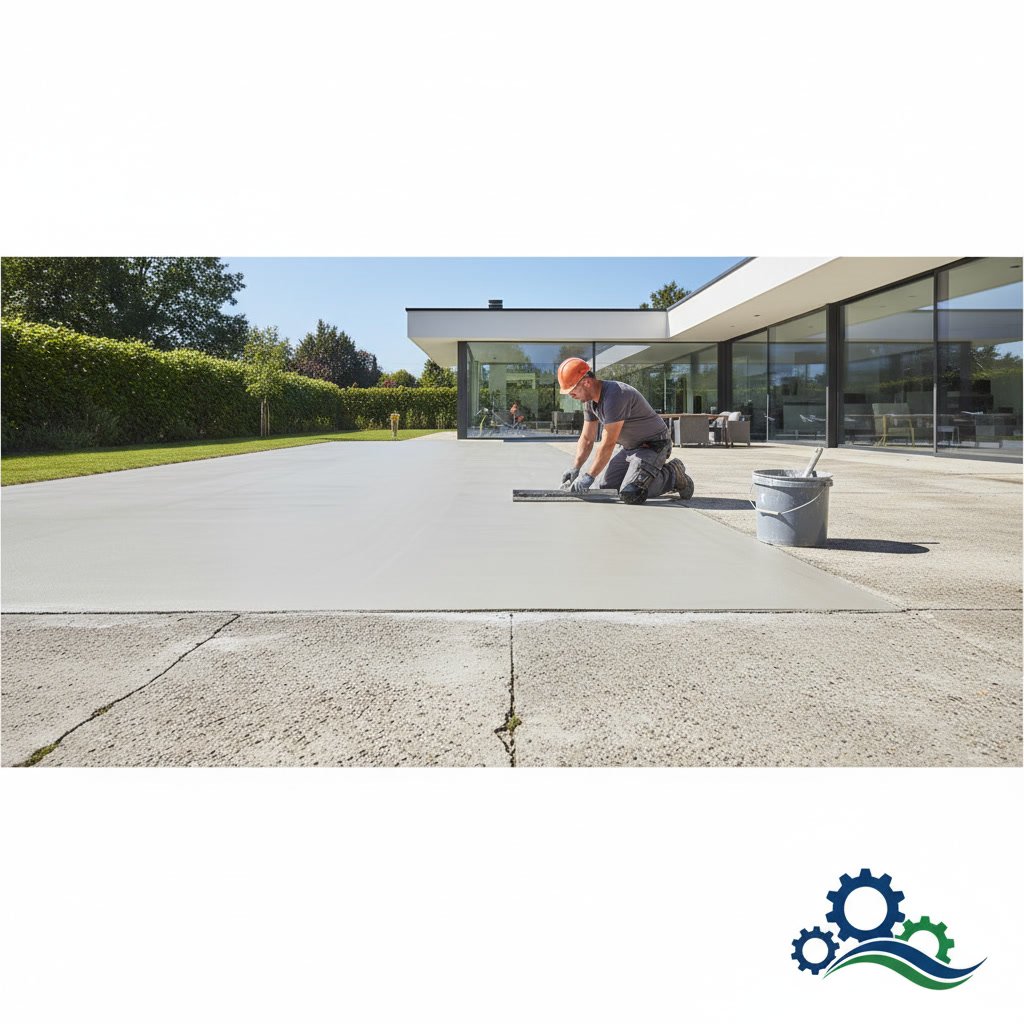
Single color restoration uses acrylic-based or epoxy-modified coatings that sit on top of the concrete surface while penetrating into the pores. The installer applies a bonding primer, then one or two coats of pigmented sealer that creates a uniform color across the entire slab.
The coating thickness ranges from 3 to 6 mils, creating a protective barrier that shields the concrete from UV rays, moisture, and chemical exposure. This film-forming characteristic gives single color treatments their extended lifespan. The color remains consistent because it exists as a physical layer rather than a chemical reaction within the concrete.
How Multi-Color Staining Differs
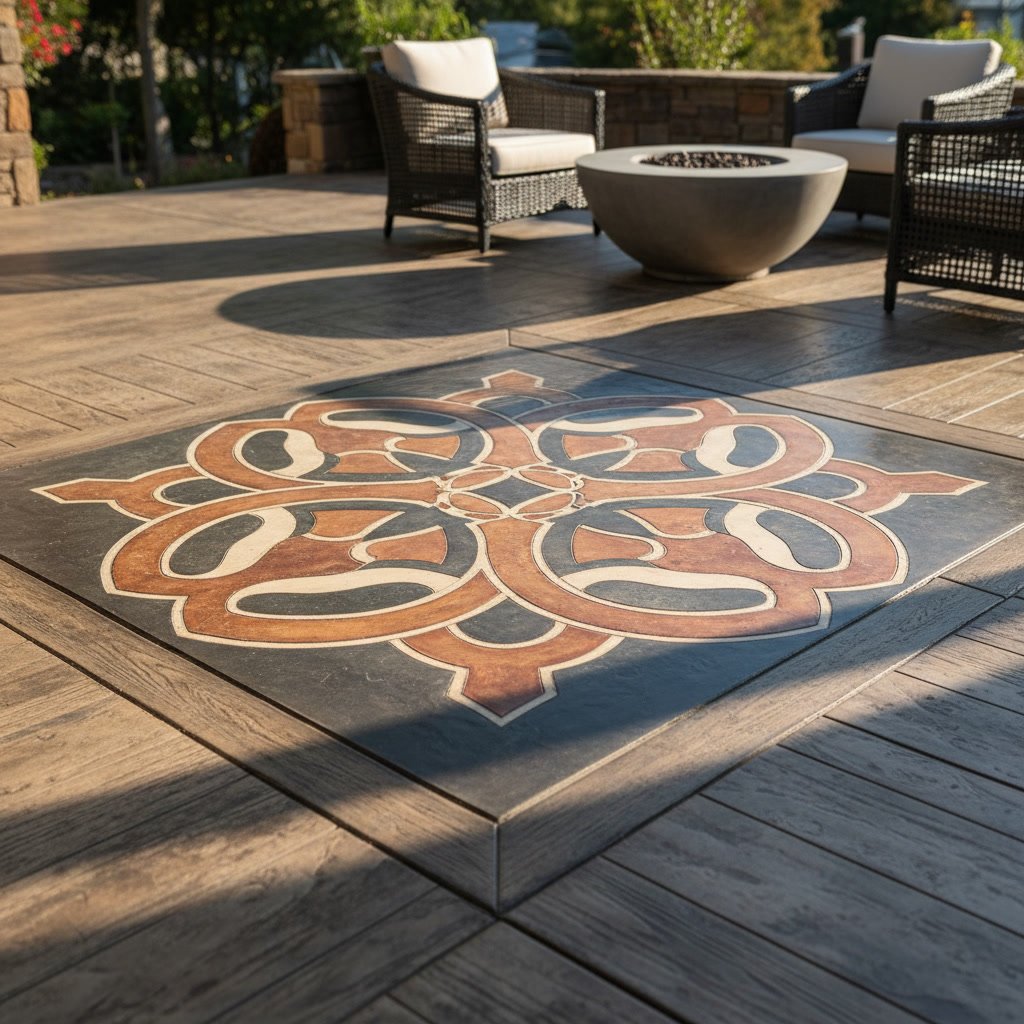
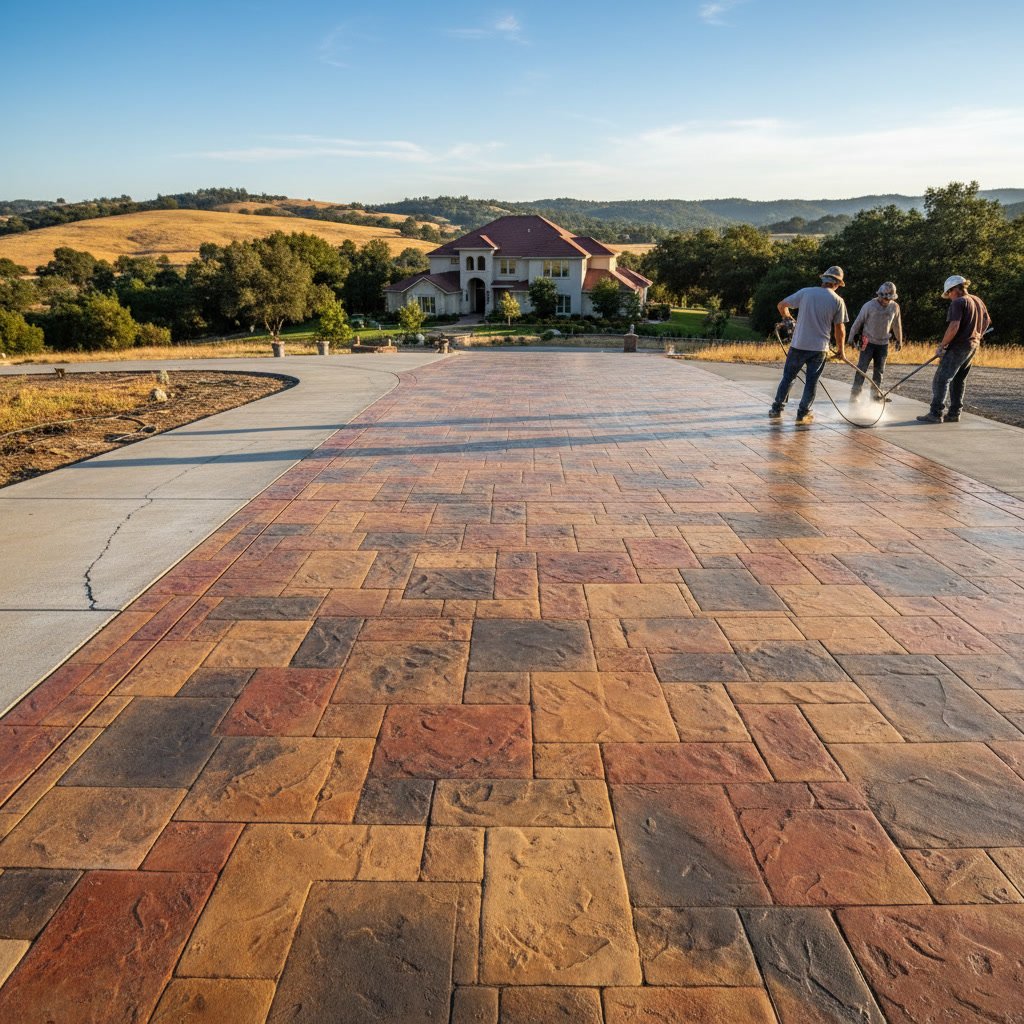
Multi-color staining relies on acid-based or water-based dyes that chemically react with minerals in the concrete or penetrate deeply into the surface. Concrete staining creates variegated, translucent color effects that look more organic and natural than solid coatings.
Acid stains react with calcium hydroxide in the concrete to create permanent color changes. Water-based stains use microscopic pigment particles that soak into the pores. Neither creates a thick protective film. Instead, they rely on separate sealers applied afterward to protect the color and concrete underneath.
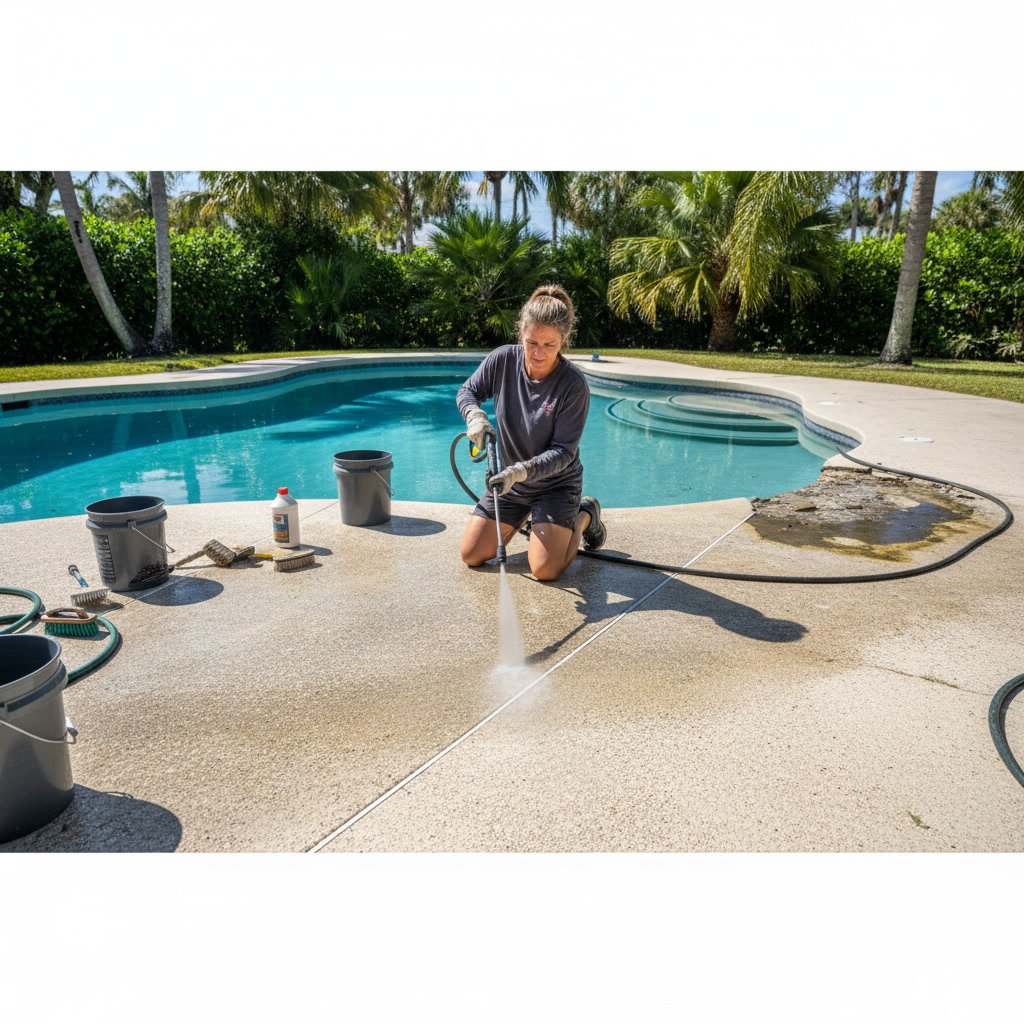
The artistic appeal comes from unpredictable color variation as the stain reacts differently across the slab. No two stained surfaces look identical. This visual richness makes multi-color staining popular for pool decks, patios, and indoor floors where aesthetics matter most.
Durability Factors That Affect Both Methods
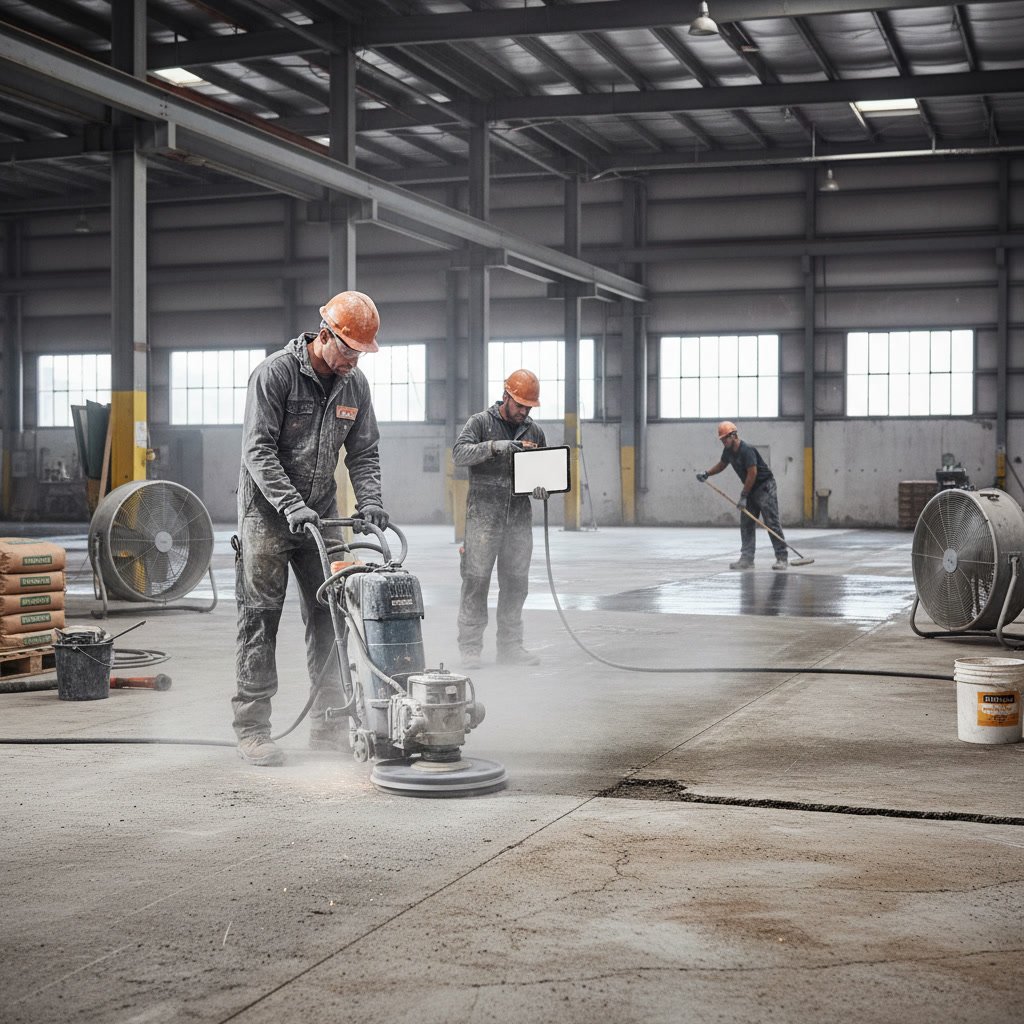
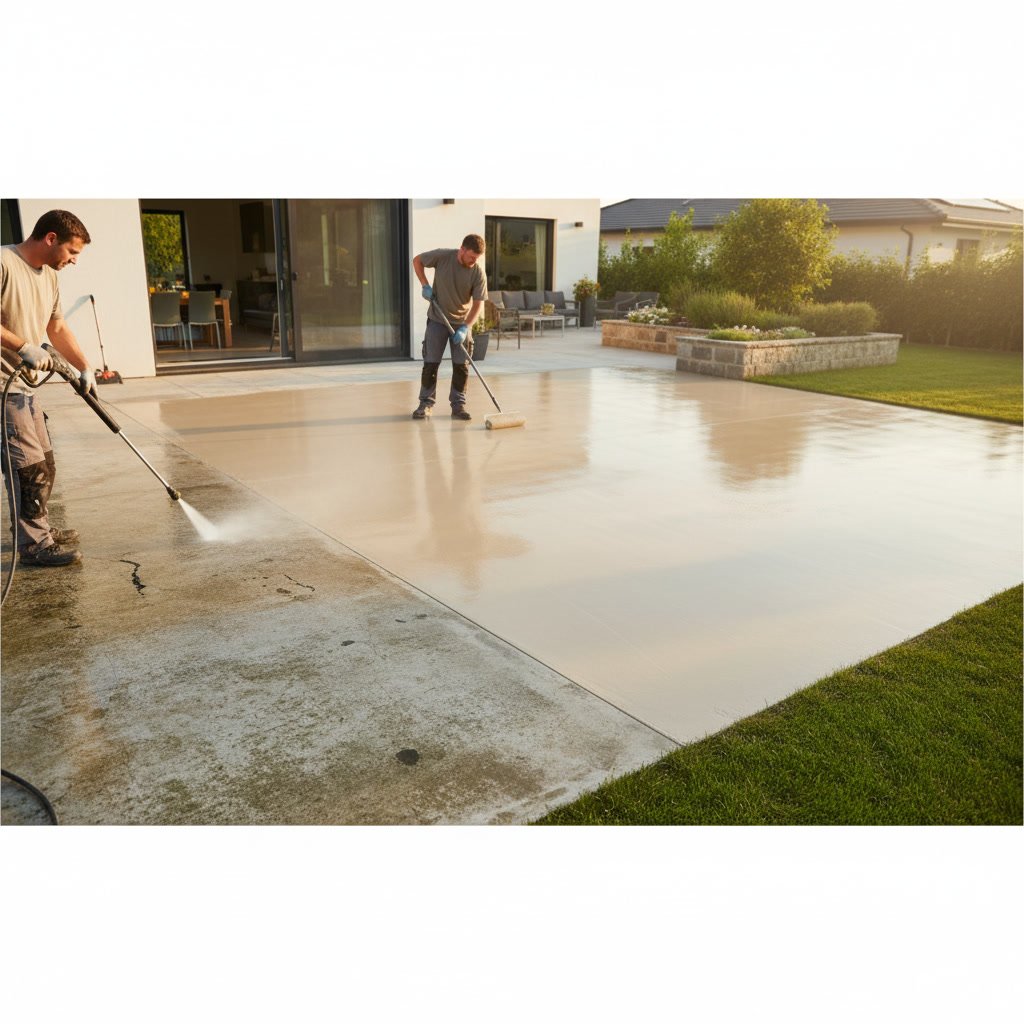
Surface preparation determines 70% of how long either treatment lasts. Concrete must be clean, structurally sound, and properly profiled before any coating or stain touches it. Existing sealers, oils, and contaminants block adhesion and cause premature failure.
Climate plays a significant role. High UV exposure in California’s Shingle Springs area fades stains faster than shaded locations. Freeze-thaw cycles in higher elevations cause more stress on coatings. Moisture vapor transmission from below can delaminate improperly applied coatings within months.
The concrete itself matters. New concrete less than 28 days old has not fully cured. Soft, deteriorated concrete cannot hold any coating or stain effectively. Understanding why concrete driveways crack helps identify surfaces that need repair before color treatment.
Comparing Longevity Between the Two Approaches
Single color coatings form a sacrificial layer that absorbs wear and UV damage while protecting the concrete beneath. As the coating degrades, you see fading and worn traffic patterns, but the color remains relatively uniform. When failure occurs, it usually shows as peeling or delamination in specific areas rather than overall fading.
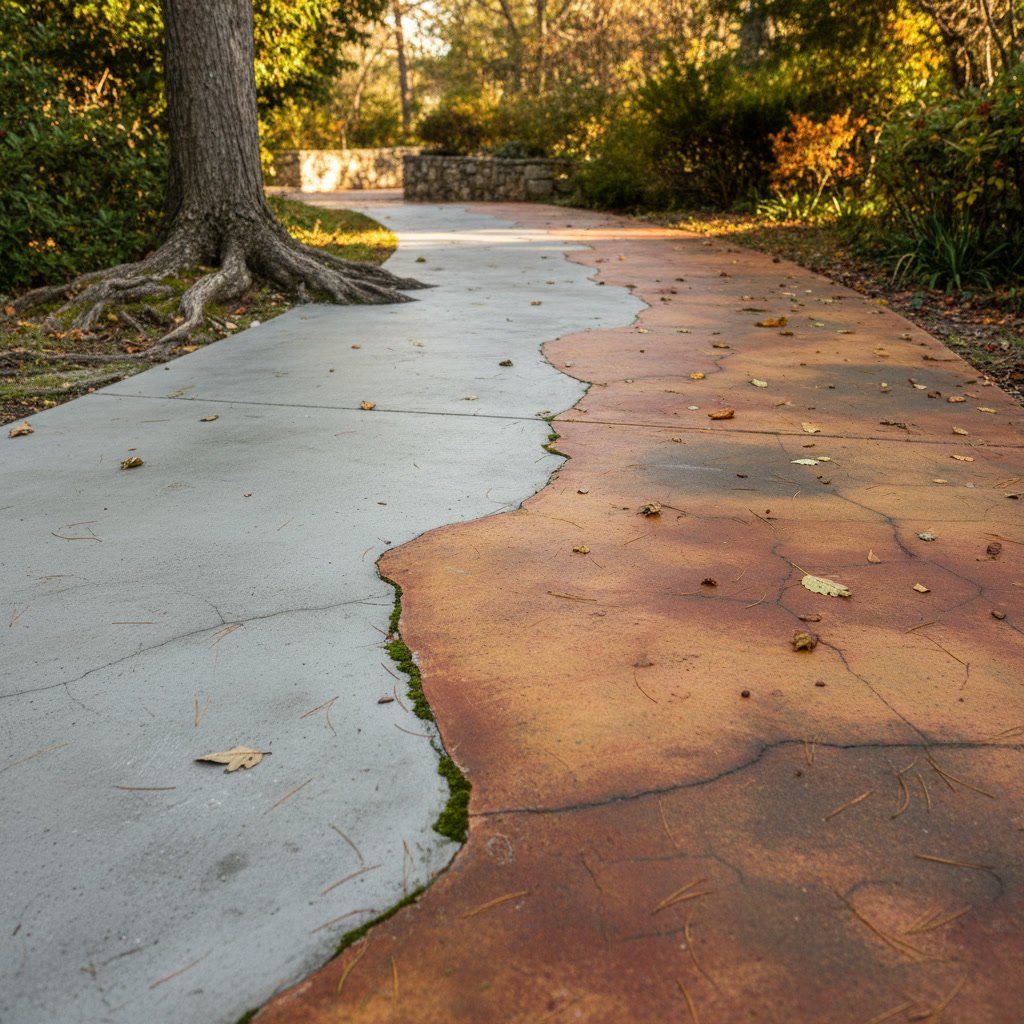
Multi-color stains fade more gradually and unevenly. UV exposure lightens the most exposed areas first, creating inconsistent color over time. Because stains penetrate rather than coat, they cannot peel or delaminate. However, the protective sealer on top can wear through in high-traffic zones, exposing the stain to accelerated fading and moisture damage.
Maintenance Requirements for Extended Life
Single color systems need resealing every two to three years in high-traffic areas, every four to five years in moderate-use spaces. The resealing process is straightforward and does not require stripping the existing coating if it still adheres well. Cleaning with pH-neutral detergents prevents premature breakdown.
Stained concrete requires similar resealing schedules, but the process is more delicate. Aggressive cleaning or stripping can lighten or remove water-based stains. Acid stains are more permanent but still benefit from gentle maintenance. Many homeowners discover when their surface needs attention by reading about signs that concrete needs staining versus sealing or resurfacing.
Both methods perform better when you address drainage issues that allow water to pool on the surface. Standing water accelerates sealer breakdown and creates conditions for efflorescence, the white mineral deposits that appear on concrete and ruin the color appearance.
Cost Implications Over the Long Term
Single color restoration typically costs 15% to 25% less upfront than multi-color decorative staining. The application process is faster, requires fewer specialty materials, and demands less artistic skill. However, the real cost comparison happens over 10 to 15 years.
If single color treatments last 8 years and staining lasts 6 years, you will need one additional staining cycle in a 15-year period. That extra application, including surface prep and labor, changes the total cost equation. Factor in that stain touch-ups sometimes require blending new color with old, which adds complexity and expense.
Replacement costs also differ. When single color coatings fail, contractors can often overlay a new system without complete removal. Stained surfaces sometimes need grinding or chemical stripping before reapplication, especially if the original stain has faded unevenly.
Which Method Handles High Traffic Better
Driveways, garage floors, and commercial walkways experience abrasion that wears away surface treatments. Single color epoxy or acrylic coatings resist abrasion better than stains because the pigment exists throughout the coating thickness. Even as the surface wears, color remains relatively consistent.
Stains show traffic patterns more quickly. The sealer wears first in wheel tracks and footpaths, exposing the stain to moisture and dirt. Once the sealer breaks down, the stain itself begins to wear or fade in those zones. This creates visible paths that look aged even if the stain elsewhere remains vibrant.
For custom walkways and patios with moderate foot traffic, either method works well. For driveways and commercial spaces, single color systems typically deliver more uniform appearance over time.
Professional Application Makes the Difference in Shingle Springs
Both restoration and staining fail prematurely when applied incorrectly. Temperature and humidity during application affect how coatings cure and how stains react. Applying too thick or too thin changes performance. Missing steps in surface preparation creates adhesion problems that appear months later.
Professional applicators understand substrate moisture testing, proper mixing ratios, and ideal environmental windows for application. They recognize when existing concrete needs repair before color treatment. STAMATELOS CONSTRUCTION has applied both single color systems and decorative stains across hundreds of projects since 1990, developing the expertise that separates lasting results from premature failure.
When to Choose Each Method
Choose single color restoration when longevity, uniform appearance, and lower maintenance matter most. This approach works best for driveways, garage floors, and commercial applications where function outweighs artistic expression. The predictable color and extended lifespan make budgeting and planning easier.
Select multi-color staining when aesthetic impact is the priority and you accept slightly shorter lifespan and more maintenance. Patios, entryways, indoor floors, and other spaces where the concrete serves as a design element benefit from the depth and variation that staining provides. The visual richness often justifies the extra attention.
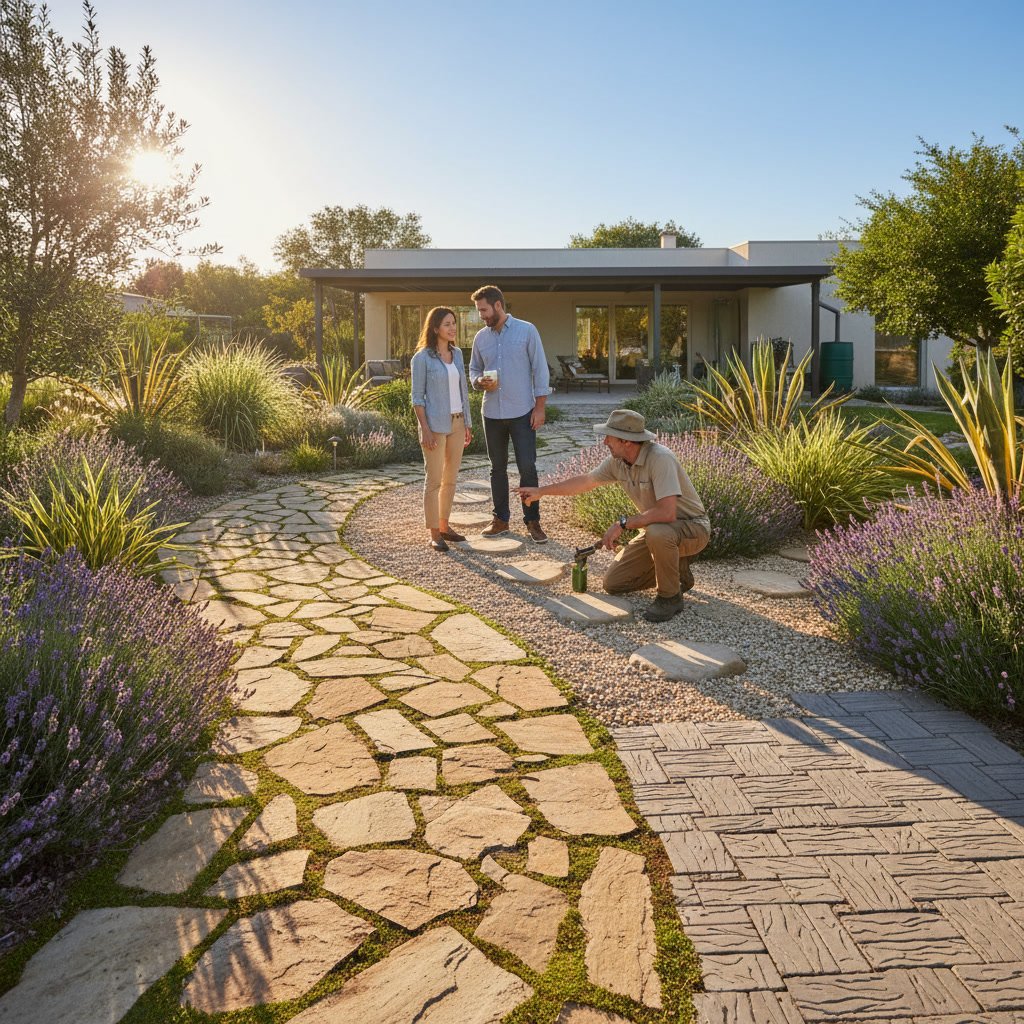
Some projects combine both methods. A stained patio bordered by single-color restored walkways creates visual interest while placing the more durable system in high-traffic zones. Working with experienced contractors helps identify the right approach for each area of your property.
Making Your Concrete Investment Last
Whether you select single color concrete restoration or multi-color staining, proper care extends the life of your investment significantly. Sweep away debris regularly to prevent abrasive damage. Clean spills promptly before they penetrate sealers. Reseal on schedule rather than waiting for visible wear.
Avoid using deicing salts in winter, as they break down sealers and damage concrete. Do not use acidic or alkaline cleaners unless specifically recommended by your installer. Park vehicles in slightly different positions occasionally to distribute wear across a larger area.
Both methods deliver transformed concrete that looks new again and protects the underlying slab from further deterioration. Single color systems edge ahead in longevity by three to five years under identical conditions, but your specific situation, traffic patterns, and aesthetic preferences ultimately determine which approach delivers the best value.
Bringing Proven Expertise to Your Project
Choosing between color restoration and decorative staining becomes easier when you understand how each method performs over time. Single color approaches typically outlast multi-color stains, resist traffic wear more effectively, and require less specialized maintenance. Staining delivers unmatched visual appeal for spaces where beauty takes priority over maximum durability.
The Stamatelos family has guided homeowners and businesses through these decisions for more than three decades, applying both methods to thousands of concrete surfaces throughout El Dorado County. That experience translates into accurate assessments, realistic longevity expectations, and installations that perform as promised. If your concrete needs transformation and you want honest guidance on which approach fits your situation best, reach out to STAMATELOS CONSTRUCTION at +19163055310 to discuss your project and receive a detailed evaluation.