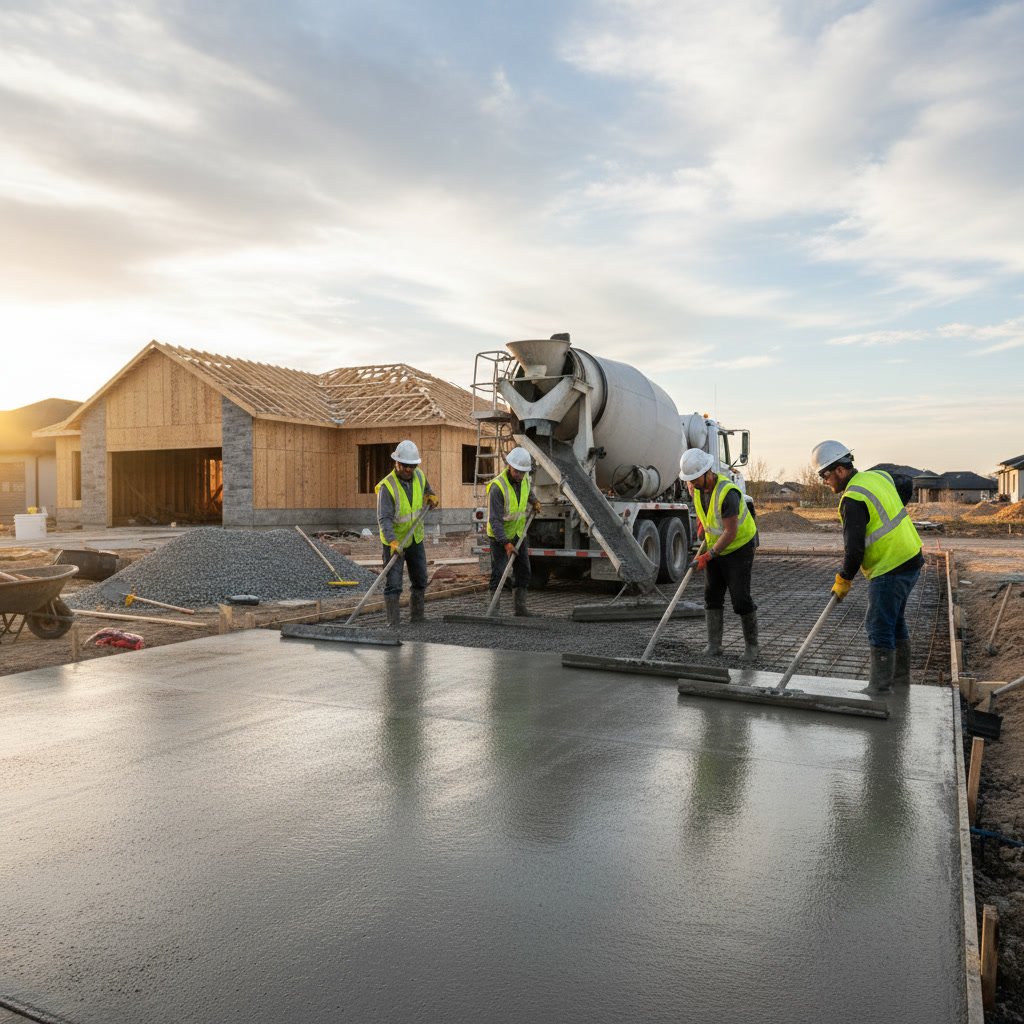
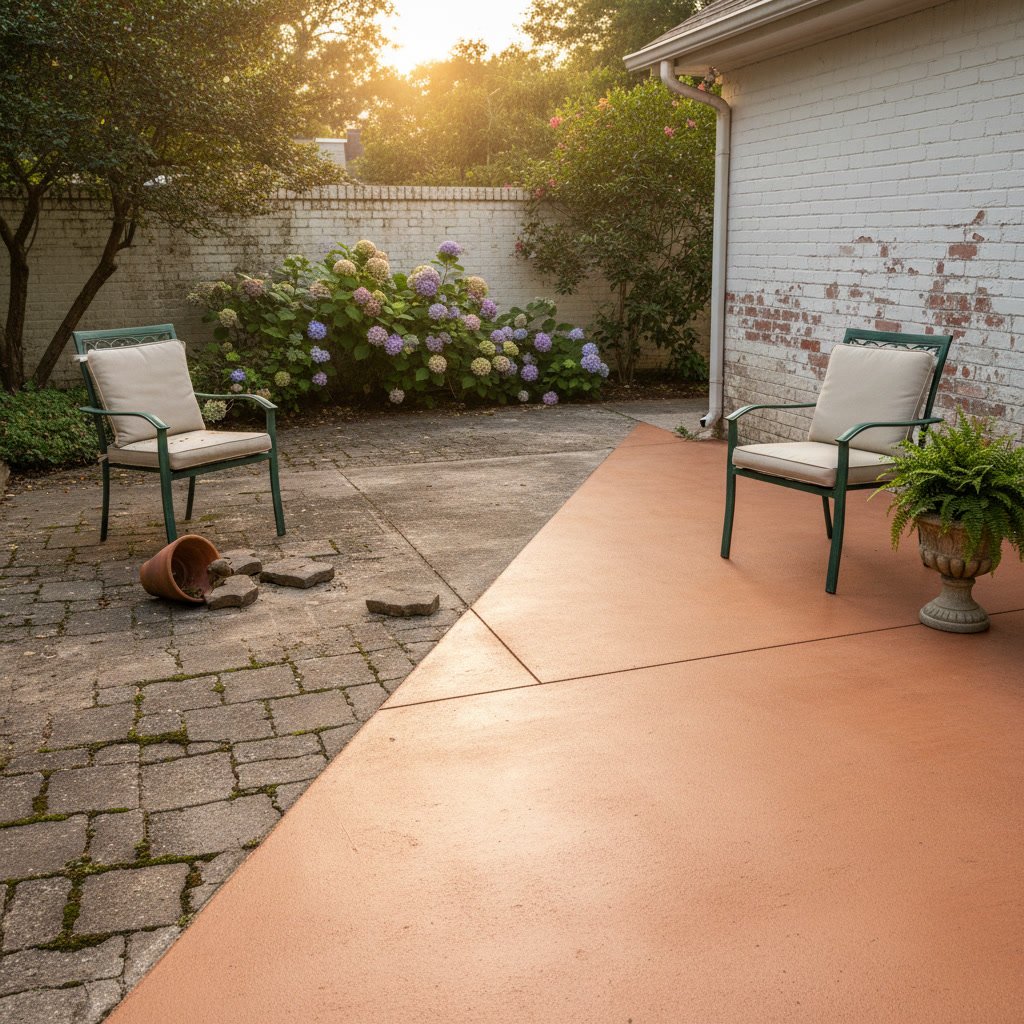
Your concrete patio looked fantastic when it was first installed. The rich, uniform color complemented your landscape and added curb appeal. But after years of exposure to California sun, rain, and foot traffic, that vibrant surface has faded to a washed-out gray. The good news is that concrete color restoration can bring those worn surfaces back to life without the expense of tearing out and replacing the entire slab.
Single color restoration is a specialized process that revitalizes faded concrete by reapplying color and protective sealants. Whether your patio, walkway, or pool deck has lost its luster, this proven technique offers a cost-effective alternative to replacement. This guide explains what concrete color restoration involves, when it makes sense for your property, and what results you can expect.
Why Concrete Surfaces Fade Over Time
Understanding why concrete loses its color helps you appreciate how restoration works and what it can achieve. The coloring agents in concrete, whether integral pigments or surface treatments, gradually break down under constant environmental assault.
Ultraviolet radiation from intense California sunlight is the primary culprit. UV rays break down the molecular bonds in concrete pigments, causing colors to fade over time. In areas like Cameron Park and El Dorado Hills, where sunshine is abundant year-round, this process accelerates.
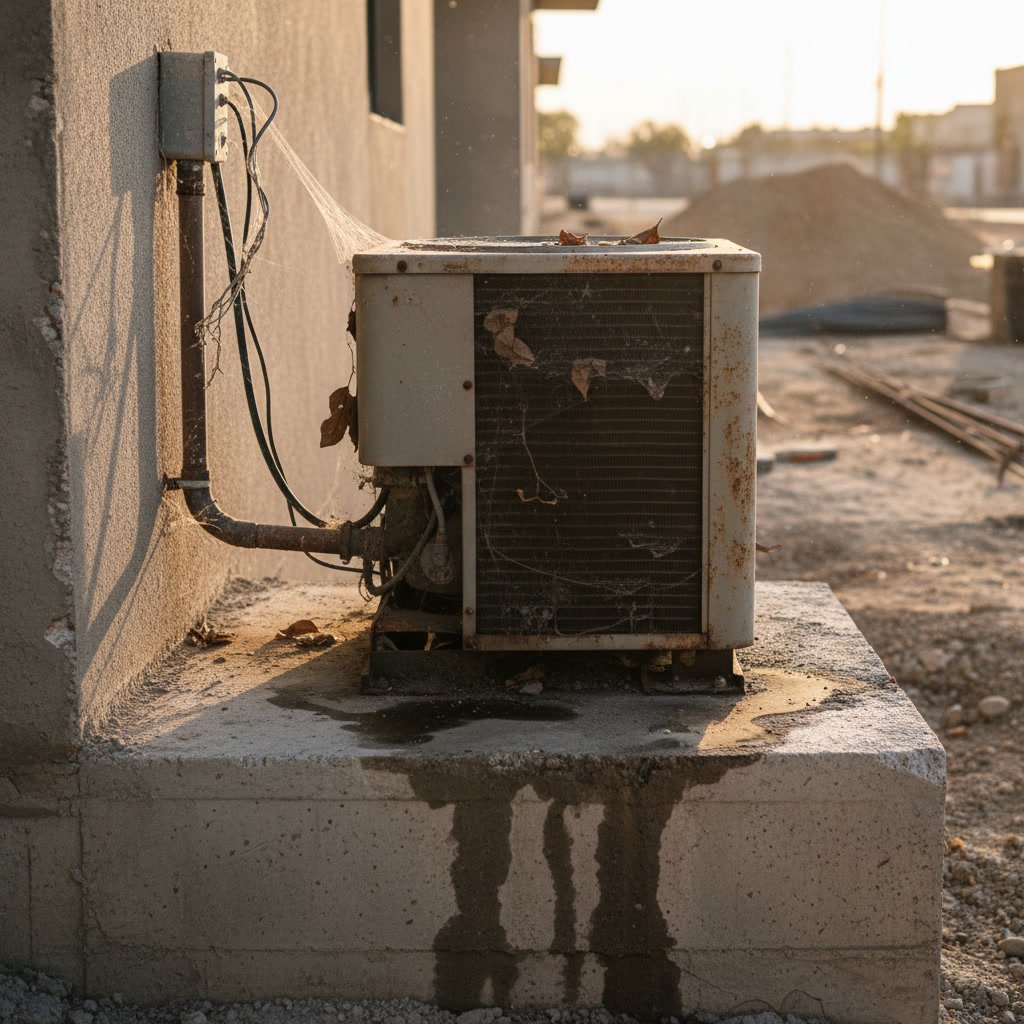
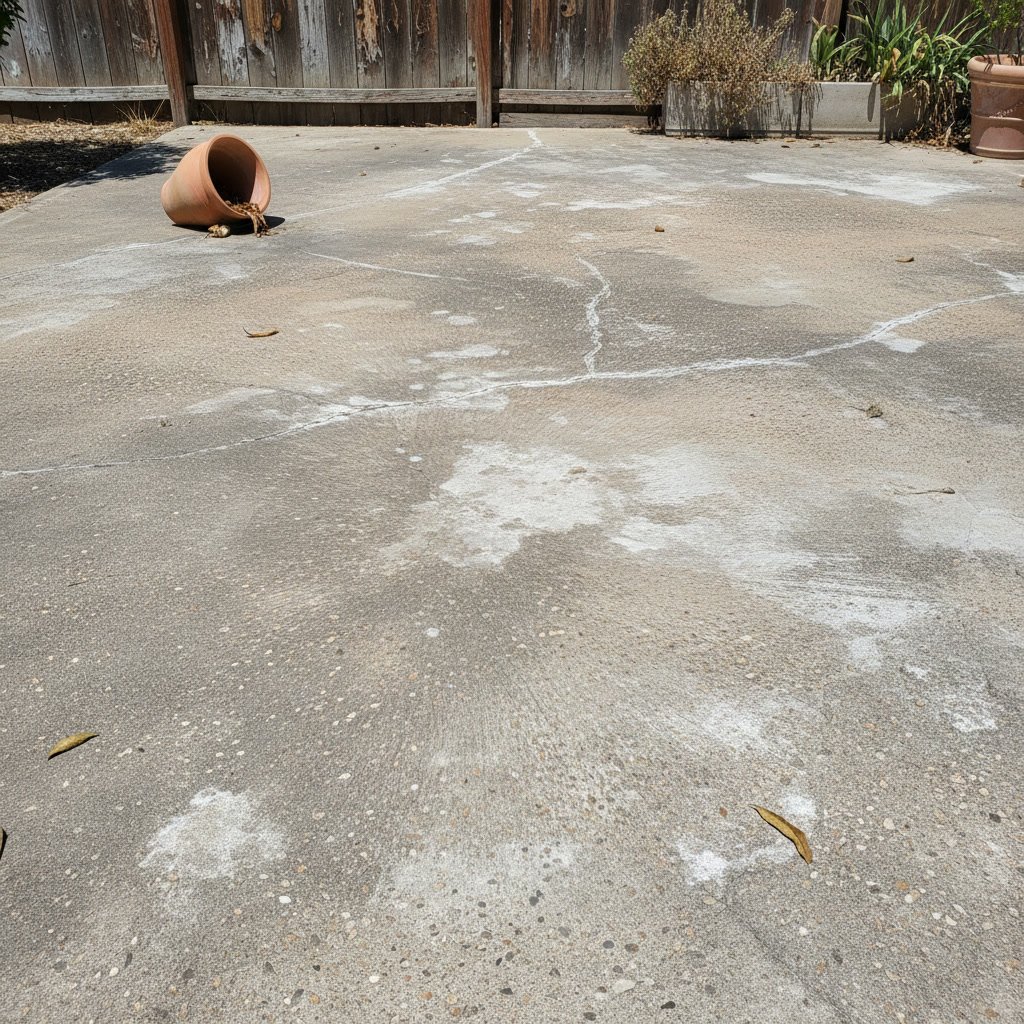
Water infiltration compounds the problem. When rainwater or irrigation seeps into concrete pores, it carries minerals to the surface. As the water evaporates, these minerals leave behind white deposits called efflorescence. This creates a chalky appearance that obscures the original color.
Physical wear from foot traffic, furniture, and outdoor equipment also takes its toll. The top layer of concrete gradually wears away, exposing different color tones beneath. Surface sealers that once protected the color break down after three to five years, leaving the concrete vulnerable.
What Single Color Restoration Actually Does
Single color concrete restoration is more than just painting your patio. It involves multiple steps that prepare the surface, reintroduce color deep into the concrete matrix, and protect the renewed finish for years to come.
The process begins with thorough surface preparation. Professional contractors clean the concrete using pressure washing and specialized cleaning solutions. This removes dirt, oils, efflorescence, and any remaining sealer residue that would prevent new products from bonding properly.
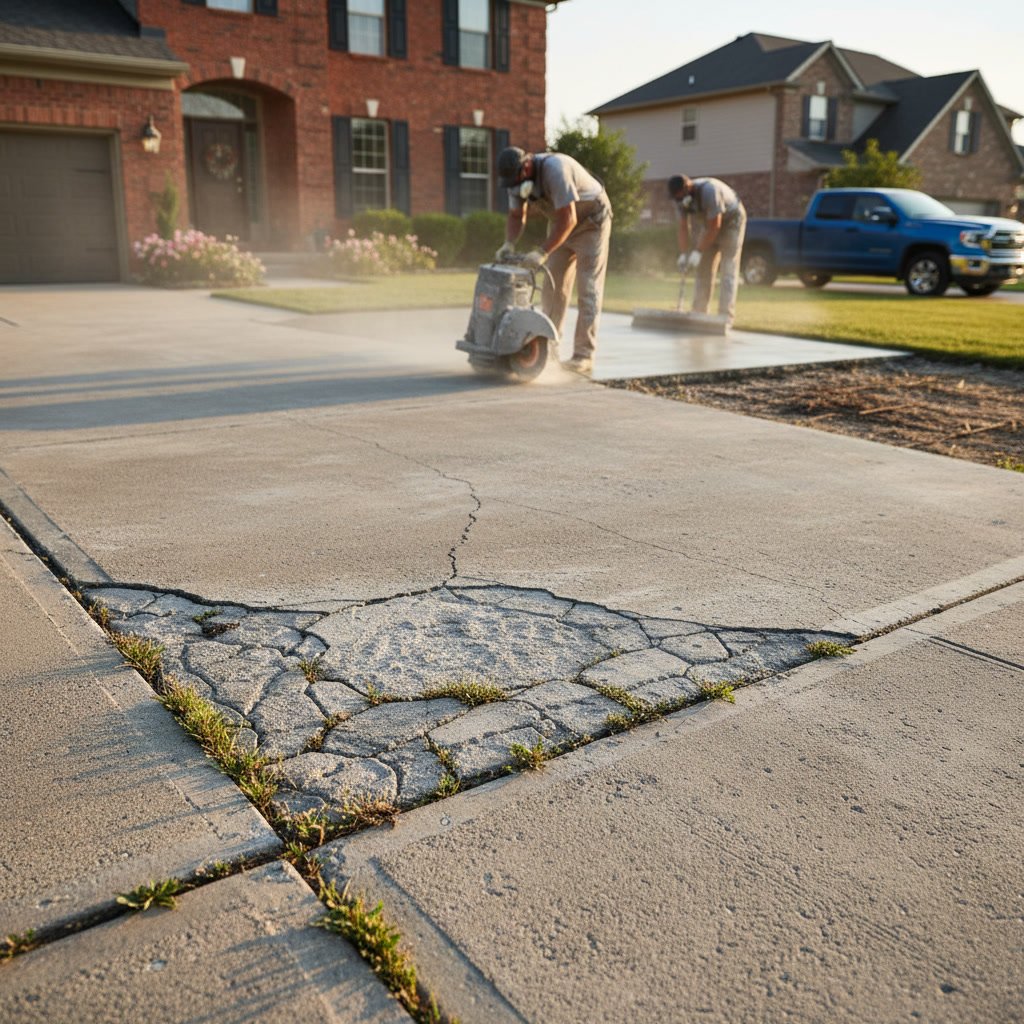
Once clean and dry, the surface receives an assessment for cracks, spalling, or structural damage. Minor imperfections get repaired before color application. This step ensures the finished surface looks uniform and lasts longer. If your concrete has significant cracking issues, you might want to read about why concrete cracks and repair methods first.
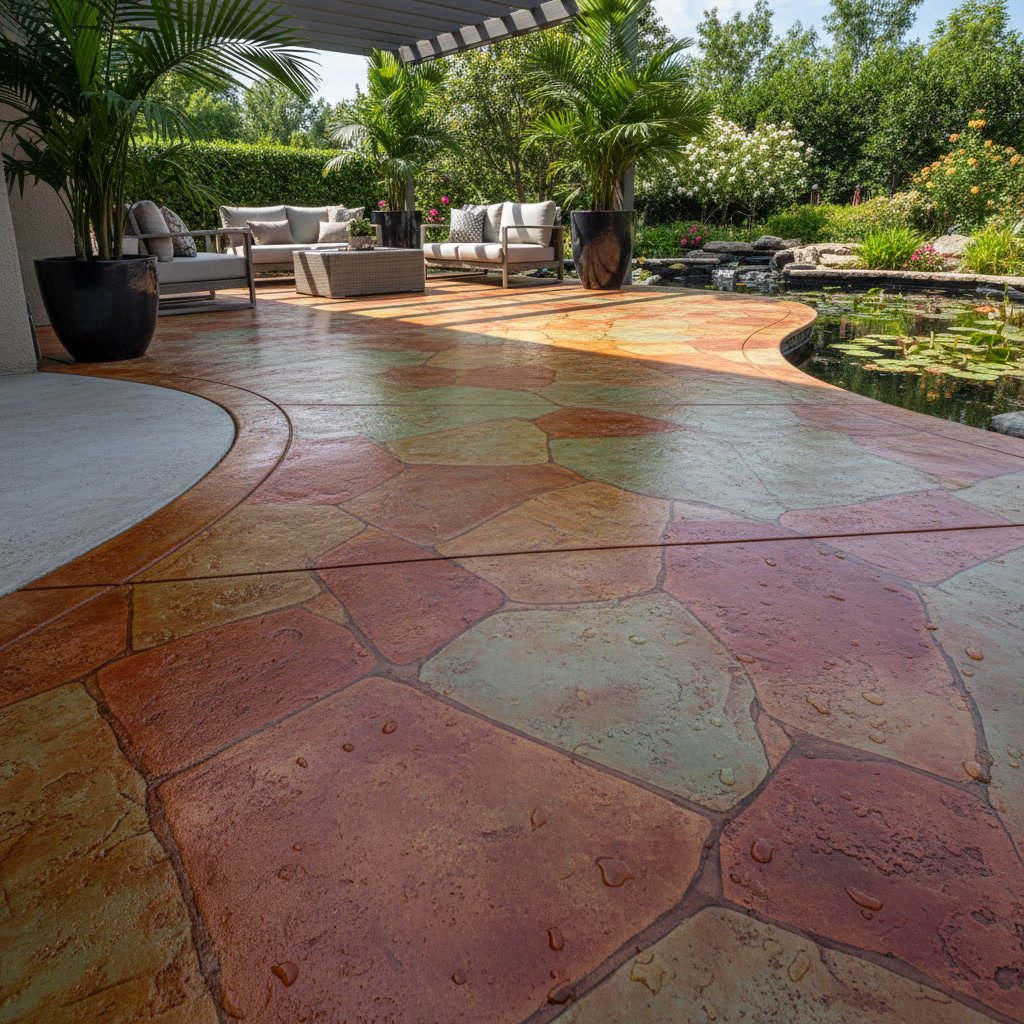
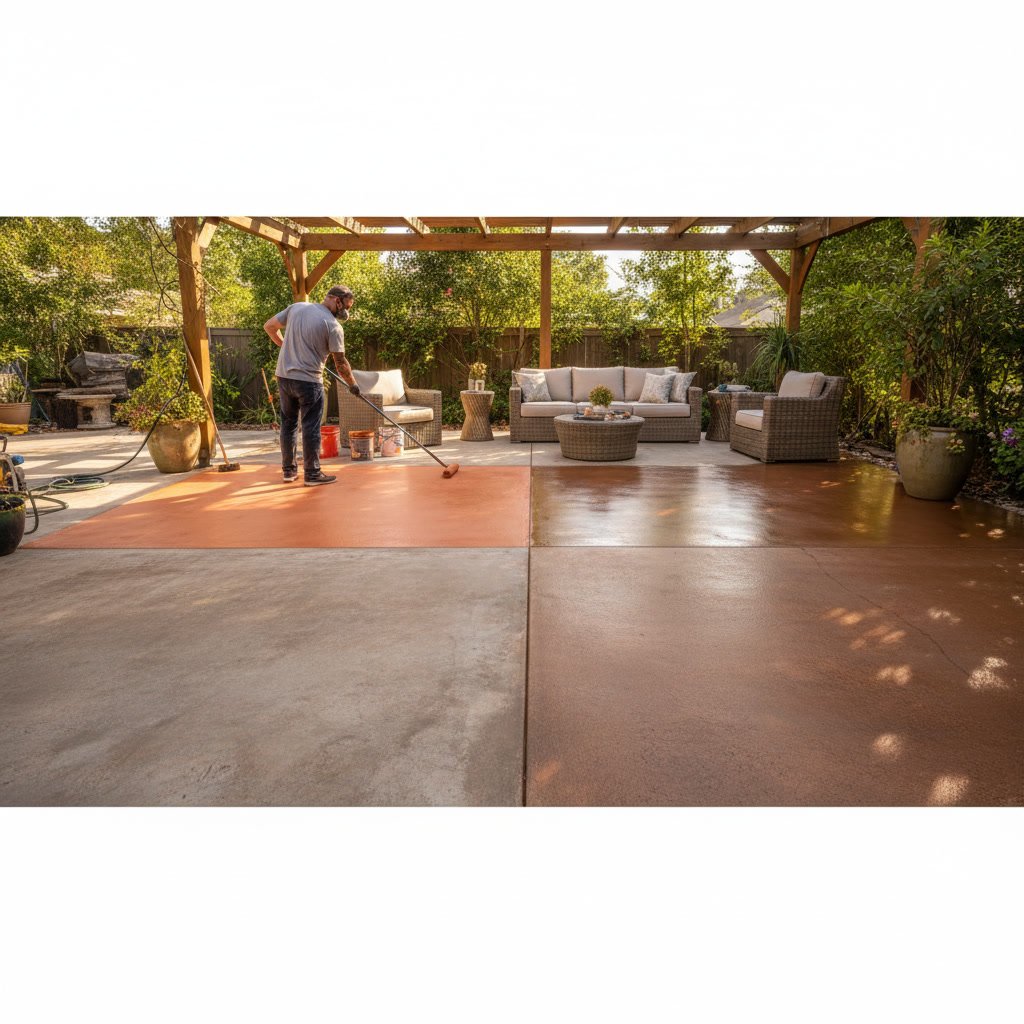
The actual color restoration uses specialized concrete stains or tinted sealers formulated to penetrate the concrete surface. Unlike paint, which sits on top, these products soak into the porous concrete and chemically bond with it. This creates a durable, fade-resistant color that becomes part of the concrete itself.
After color application and proper curing time, contractors apply a high-quality sealer. This topcoat protects the restored color from UV damage, water infiltration, and surface wear. Quality sealers also enhance the concrete’s appearance with a subtle sheen that highlights the renewed color.
Types of Products Used in Color Restoration
Acid-based stains create translucent color by chemically reacting with minerals in the concrete. They produce earthy, variegated tones that look natural and hide minor surface imperfections well. These stains penetrate deeply and resist fading.
Water-based stains offer broader color options and more uniform coverage. They’re easier to apply in predictable shades and work well for matching existing colors. While they don’t penetrate quite as deeply as acid stains, quality water-based products still provide excellent durability.
Tinted sealers combine color and protection in one product. They work well for lighter color adjustments and maintenance applications. For severely faded surfaces, contractors often use stains first, then seal with a tinted sealer for maximum color saturation.
When to Choose Restoration Over Replacement
Concrete color restoration makes financial sense when your slab is structurally sound but visually tired. Several factors determine whether restoration is the right choice for your property.
Surface condition matters most. If your concrete has only cosmetic issues like fading, discoloration, or light staining, restoration delivers excellent results. The underlying concrete should be intact without extensive cracking, deep spalling, or settling issues.
Age plays a role but isn’t necessarily a dealbreaker. Even concrete that’s 20 or 30 years old can be successfully restored if the base material remains solid. The key is whether the surface can still accept and bond with new products.
Cost comparison strongly favors restoration. Tearing out and replacing a 500-square-foot patio typically costs between $4,000 and $7,500 in El Dorado County. Professional single color restoration for the same area usually runs $1,500 to $3,000, depending on surface condition and desired finish.
Time considerations also matter. Replacement projects require demolition, removal, new forms, concrete pouring, and curing time. The entire process takes one to two weeks, and you can’t use the space during that period. Restoration typically takes two to three days from start to finish, with limited access restrictions.
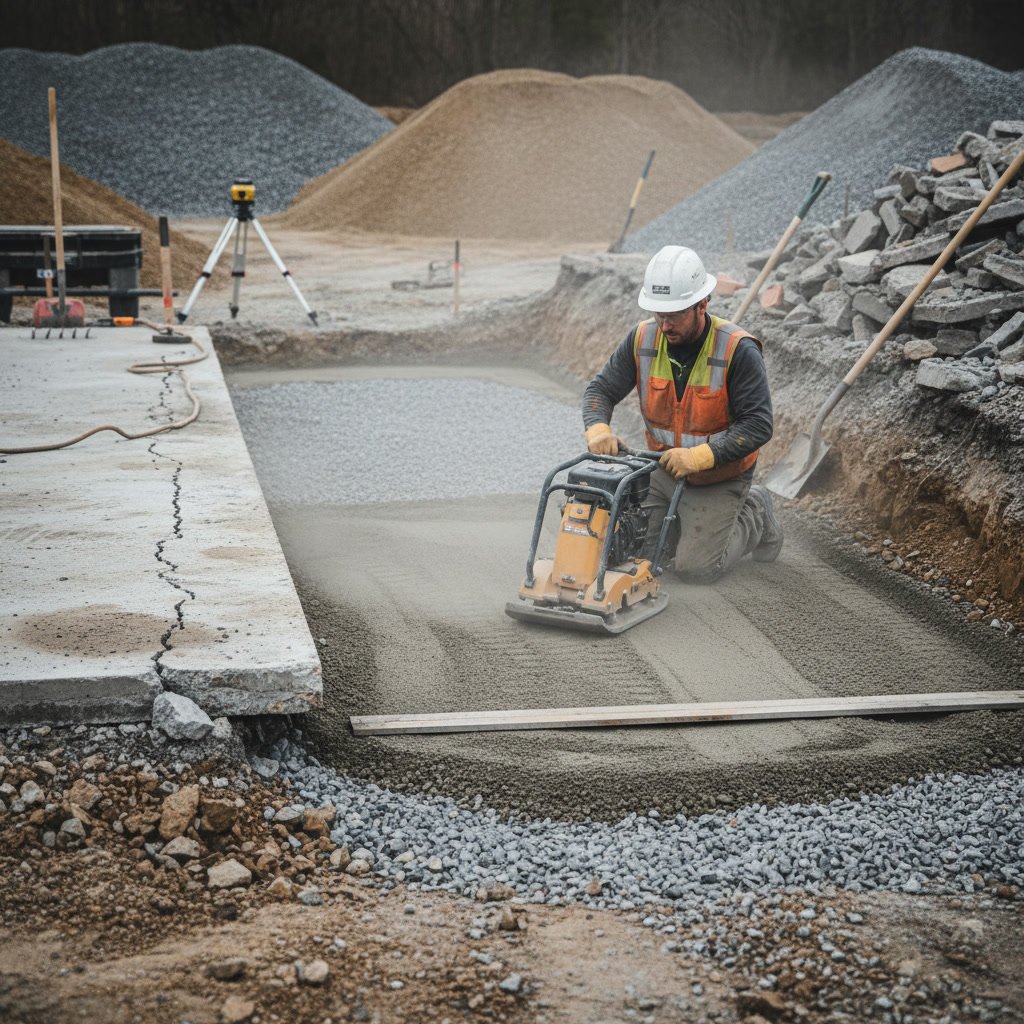
Pro Tip: If your concrete has settled unevenly or developed wide cracks (over one-quarter inch), address those structural issues before considering color restoration. Surface treatments won’t fix underlying problems.
The Restoration Process Step by Step
Understanding what happens during professional concrete color restoration helps you prepare your property and know what to expect. The process follows a proven sequence that ensures lasting results.
Surface Preparation and Cleaning
Contractors start by clearing the area of furniture, planters, and any obstacles. They protect adjacent surfaces like siding, landscaping, or fencing and gates with plastic sheeting or masking.
Pressure washing removes surface dirt, organic growth, and loose material. For stubborn stains or heavy efflorescence, specialized cleaning solutions break down contaminants that plain water can’t touch. The surface must be completely clean for products to bond properly.
After washing, the concrete needs adequate drying time. Contractors test moisture levels to ensure the surface is ready for staining. Applying products to damp concrete causes bonding failures and uneven color.
Repair and Surface Correction
Small cracks get filled with flexible sealant or repair mortar matched to the existing concrete color. Surface imperfections and minor spalling receive patching compound. These repairs blend with the surrounding surface after staining.
For custom walkways or patios with significant damage, contractors may apply a thin concrete overlay before color restoration. This creates a fresh, smooth canvas for the new finish.
Color Application
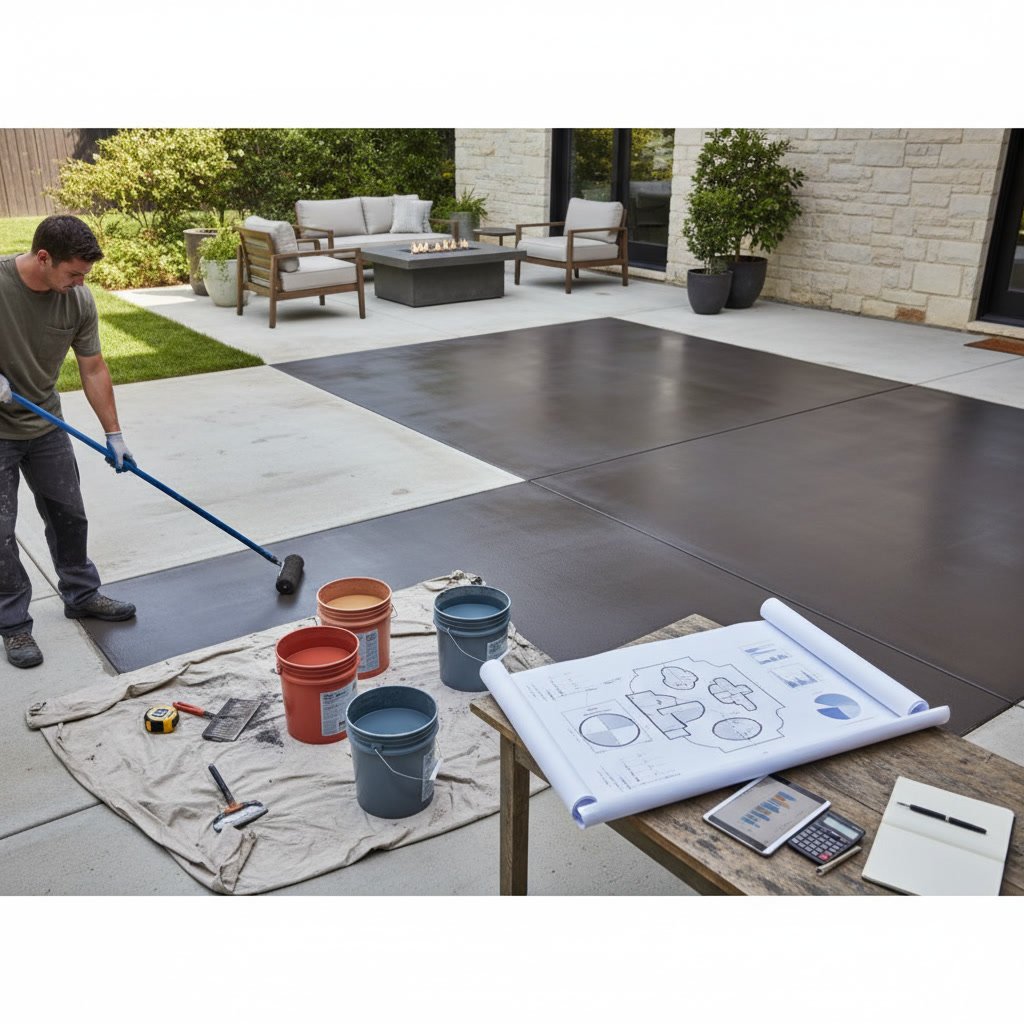
Professionals apply stains or colorants in thin, even coats using sprayers, rollers, or specialized applicators. The method depends on the product type and desired finish. Multiple light coats build color gradually and create more uniform results than one heavy application.
Each coat needs proper drying time before the next application. Rushing this step leads to blotchy color and poor bonding. Depending on temperature and humidity, drying can take 30 minutes to several hours per coat.
Color depth builds with each application. Contractors monitor the shade development and stop when the surface reaches the target color. This controlled approach prevents over-application and ensures consistency across the entire area.
Sealing and Protection
After the final color coat cures completely, contractors apply a protective sealer. This crucial step locks in the color and shields the surface from future damage. Quality sealers also make the concrete easier to clean and maintain.
Sealer application requires precision. Too much creates a sticky surface that attracts dirt. Too little leaves the color vulnerable. Professional contractors know the right coverage rate for each sealer type and surface condition.
The sealed surface needs 24 to 72 hours to cure before foot traffic, depending on the sealer formulation and weather conditions. Full curing takes up to a week, though normal use can resume much sooner.
Color Options and Customization
One advantage of concrete color restoration is the ability to change or enhance your surface’s appearance. You’re not limited to the original color if you want something different.
Earth tones remain the most popular choice for residential applications. Tan, terracotta, sandstone, and brown shades complement natural landscaping and blend with California’s outdoor aesthetic. These colors also hide dirt and wear better than lighter shades.
Gray tones offer a more contemporary look. Light to medium grays create a clean, modern appearance that suits minimalist landscape designs. Charcoal and slate shades add drama and contrast with lighter home exteriors.
Color matching allows you to restore faded areas to match existing surfaces. If only part of your patio has faded while other sections held their color, contractors can blend the restoration to create uniform appearance across the entire space.
For property owners interested in more decorative options, restoration can serve as a base for additional treatments. After basic color restoration, you might add concrete staining accents or decorative saw cuts to create visual interest.
Cost Factors and Budget Planning
Several variables influence the final cost of concrete color restoration for your property. Understanding these factors helps you budget accurately and avoid surprises.
Surface area is the most obvious factor. Contractors typically price restoration by the square foot, with rates ranging from $2.50 to $6.00 per square foot in the Cameron Park area. Larger projects usually qualify for lower per-square-foot rates.
Surface condition affects labor requirements. Heavily stained or damaged concrete needs more preparation work, which increases costs. Surfaces in good condition with only fading require less prep and cost less to restore.
Product selection impacts both material costs and longevity. Premium acid stains and high-performance sealers cost more upfront but deliver better fade resistance and longer intervals between maintenance. Budget products save money initially but may require more frequent reapplication.
Complexity adds cost. Simple rectangular patios are straightforward to restore. Surfaces with intricate designs, multiple elevation changes, or difficult access require more time and careful product application.
Additional repairs beyond basic restoration increase the total investment. If your concrete needs crack repair, leveling, or patching before color application, expect to pay extra for those services. However, addressing these issues ensures better results and longer-lasting restoration.
Key Takeaway: When comparing quotes, verify what’s included. The lowest price may not include essential steps like thorough cleaning, crack repair, or quality sealer. A complete restoration costs more initially but delivers better value over time.
Maintenance After Restoration
Proper maintenance extends the life of your restored concrete and keeps it looking fresh. The good news is that maintaining restored concrete requires minimal effort compared to other outdoor surfaces.
Regular cleaning prevents dirt buildup that can dull the finish. Sweep or blow off debris weekly. Wash the surface monthly with a garden hose or gentle pressure washer set to low pressure. Avoid harsh chemicals that might damage the sealer.
Sealer reapplication keeps the color protected. Depending on traffic levels and sun exposure, you’ll need to reseal every two to four years. High-traffic areas like concrete pool decks may need more frequent attention than protected walkways.
Watch for wear patterns. If water stops beading on the surface or the color looks slightly faded in high-traffic zones, it’s time to reseal. Addressing wear early prevents deeper damage that requires full restoration.
Protect against stains by cleaning spills promptly. Oil, grease, and acidic liquids can penetrate even sealed concrete if left sitting. Wipe up spills as soon as possible to prevent permanent staining.
Avoid abrasive cleaning methods. Metal bristle brushes and harsh scrubbing can scratch the sealer and expose the color underneath. Use soft-bristle brooms and non-abrasive cleaning tools to preserve the finish.
Climate Considerations for El Dorado County
The climate throughout El Dorado County presents specific challenges for concrete surfaces. Understanding these local conditions helps you maintain your restored concrete and plan maintenance schedules.
Summer heat is intense across the region, from Shingle Springs to Granite Bay. Temperatures regularly exceed 95 degrees, and direct sunlight beats down on exposed concrete for hours each day. This accelerates UV damage and causes faster sealer breakdown compared to cooler climates.
Winter moisture brings different challenges. While El Dorado County doesn’t experience harsh freeze-thaw cycles like northern climates, winter rains saturate concrete surfaces. Proper sealing becomes essential to prevent water infiltration and efflorescence during the wet season.
Seasonal timing matters for restoration work. Spring and fall offer ideal conditions, with moderate temperatures and lower rainfall probability. Summer heat causes products to dry too quickly, potentially affecting bonding and finish quality. Winter moisture delays drying and extends project timelines.
Altitude variations across the service area influence concrete performance. Higher elevation properties in Placerville experience cooler temperatures and more precipitation than lower areas like Rancho Cordova. These differences affect how quickly concrete weathers and how often maintenance is needed.
Frequently Asked Questions
How long does concrete color restoration last?
Professional concrete color restoration typically lasts five to ten years before needing renewal, depending on sun exposure, traffic levels, and maintenance. Surfaces protected from direct sun and heavy use last longer. Regular resealing every two to four years extends the life of the color treatment and can push full restoration intervals beyond ten years.
Can I restore concrete color myself or should I hire professionals?
DIY restoration is possible for small areas with the right products and preparation, but professional results require experience. Surface preparation is critical and mistakes during cleaning or staining create permanent problems. Professionals have specialized equipment, product knowledge, and application skills that ensure even color and proper bonding. For patios and walkways larger than 200 square feet, professional restoration typically delivers better value despite higher upfront costs.
Will color restoration fix cracks and surface damage?
Color restoration primarily addresses cosmetic fading and discoloration, not structural problems. Small hairline cracks can be filled as part of the preparation process, and minor surface imperfections often blend in after staining. However, significant cracking, deep spalling, or settlement issues require concrete restoration or repair work before color treatment. The staining process won’t hide major damage or prevent cracks from spreading.
What’s the difference between concrete staining and color restoration?
Concrete staining applies color to bare or new concrete as a decorative finish, while color restoration specifically revitalizes faded existing surfaces. Restoration includes aggressive surface preparation to remove old sealers and contaminants, repair work, and often uses different product formulations designed to bond with aged concrete. Both processes use similar staining products, but restoration addresses the unique challenges of weathered surfaces rather than starting with fresh concrete.
How soon can I use my patio after color restoration?
Light foot traffic is usually safe 24 to 48 hours after the final sealer application, though specific timing depends on the products used and weather conditions. Full curing takes four to seven days, during which you should avoid heavy furniture, planters, or equipment that might damage or mark the new finish. Your contractor will provide specific timing based on the products used for your project and current temperature and humidity levels.
Bringing Your Outdoor Spaces Back to Life
Faded concrete doesn’t have to remain an eyesore or force you into expensive replacement projects. Concrete color restoration offers a proven, cost-effective solution that revitalizes worn surfaces and protects them for years to come. With proper application and regular maintenance, restored patios and walkways can look vibrant and welcoming throughout El Dorado County’s demanding climate.
If your outdoor concrete surfaces have lost their appeal, Stamatelos Construction brings over three decades of experience to every restoration project. Our family-operated team serves property owners throughout Shingle Springs, El Dorado Hills, Placerville, and surrounding communities with concrete work that combines technical expertise with lasting quality. Call +19163055310 to discuss your concrete color restoration project and schedule an on-site assessment.